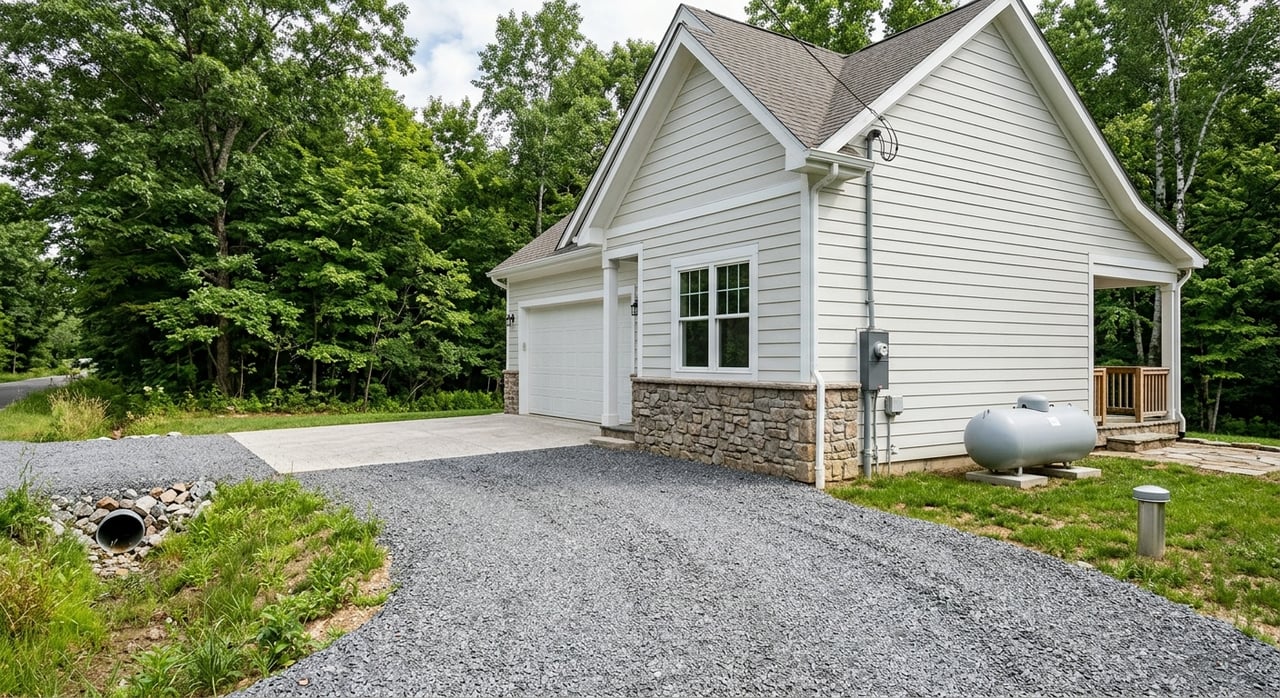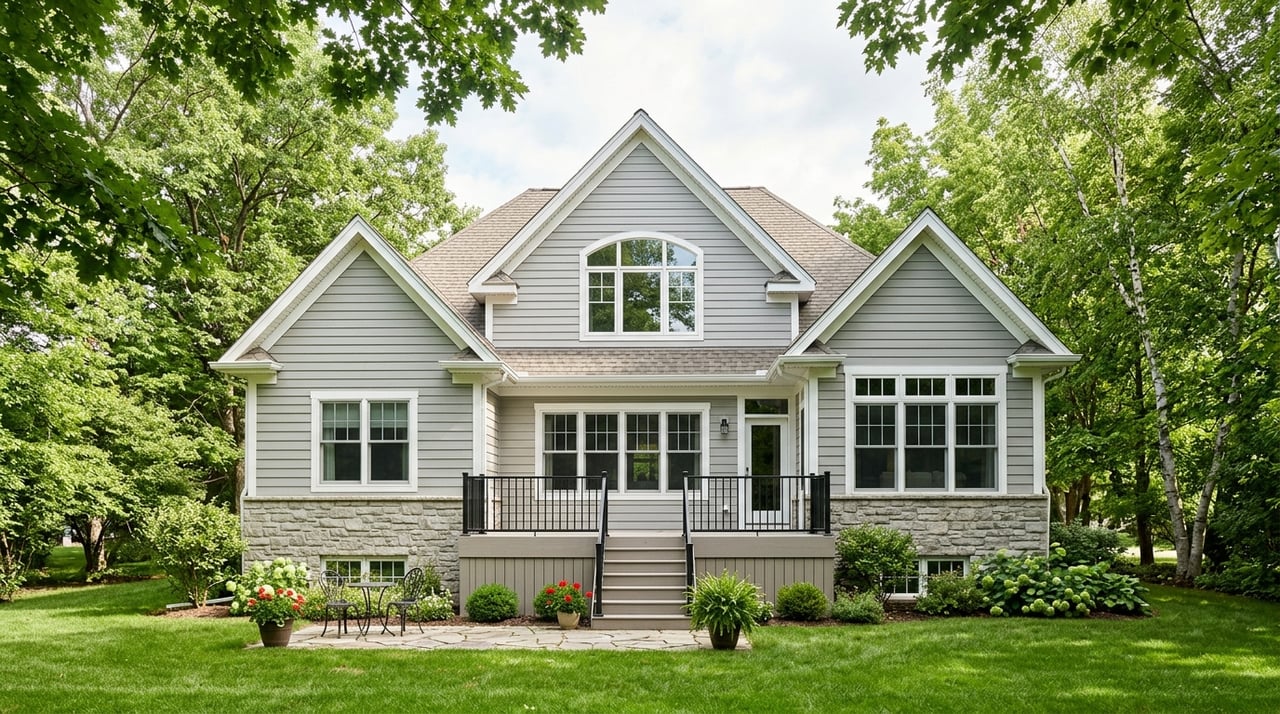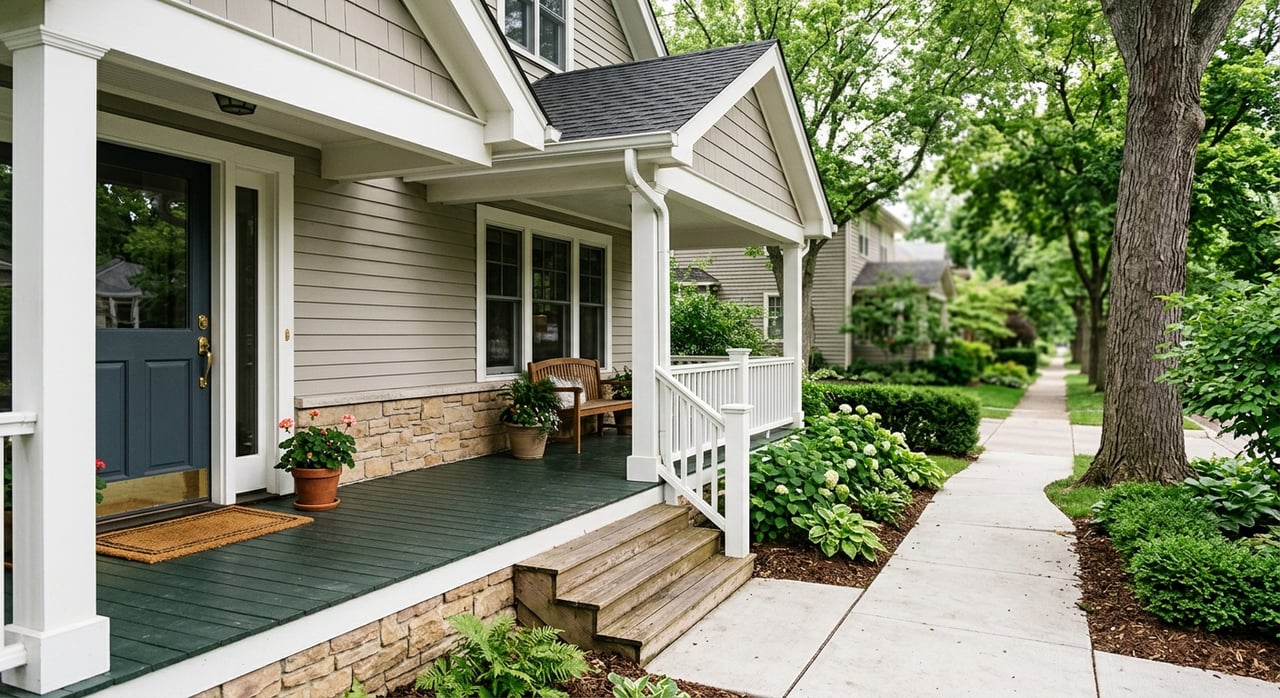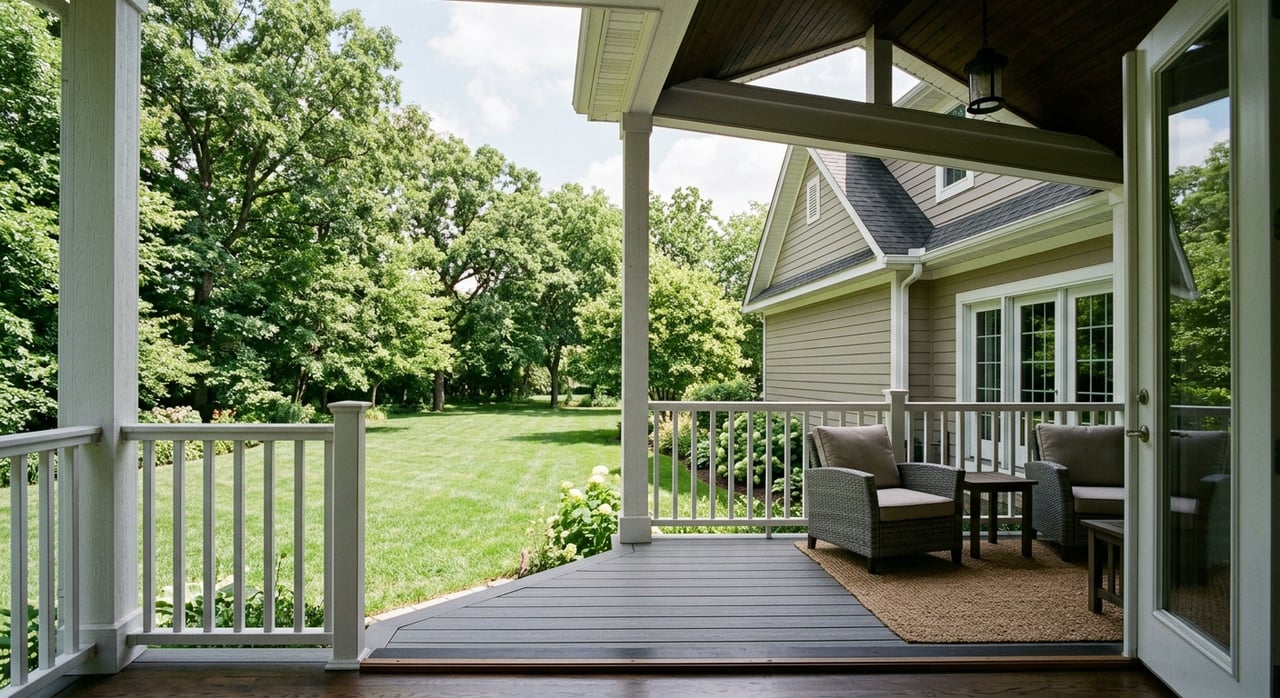
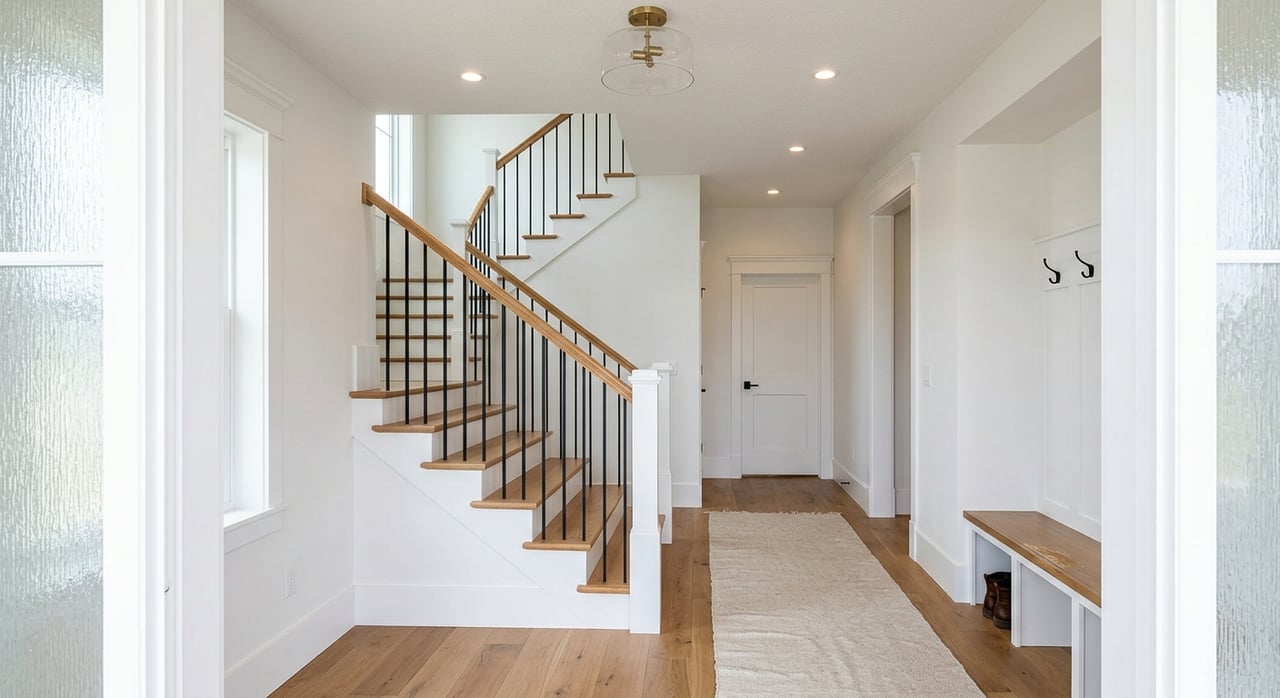
Thinking about buying a brand-new home in Malta? New construction can be exciting, but it often works very differently from buying a resale home. If you want fewer surprises, stronger protection, and a smoother path to closing, it helps to understand the local approval process, contract terms, timeline, and costs before you sign. Let’s dive in.
Why new construction feels different
A new construction purchase in Malta is often tied to more than the house itself. Depending on the project, the property may be part of a subdivision, site plan review, or a planned development district process through the Town of Malta.
That matters because a new-build purchase can move on a project timeline, not just a buyer and seller timeline. In other words, your closing date may depend on municipal approvals, inspections, and final sign-off in addition to the builder’s construction schedule.
Malta approvals to understand
Before construction begins, a project may need planning review, subdivision review, site plan review, or building permit approval. In Malta, planned development district approval is not the same as a construction permit.
The Town of Malta also states that applicants should contact Building & Planning before starting projects that affect zoning, planning, stormwater, or structural, electrical, plumbing, and energy work. For land development or subdivision, the town directs applicants to schedule a pre-application appointment.
Planned development districts
Malta’s zoning code specifically allows planned development districts for new residential, commercial, or industrial subdivisions. For residential planned development districts, 35% of each housing type must be reserved as workforce and starter or retirement housing, and those homes must be interspersed and built at the same time as the rest of the project.
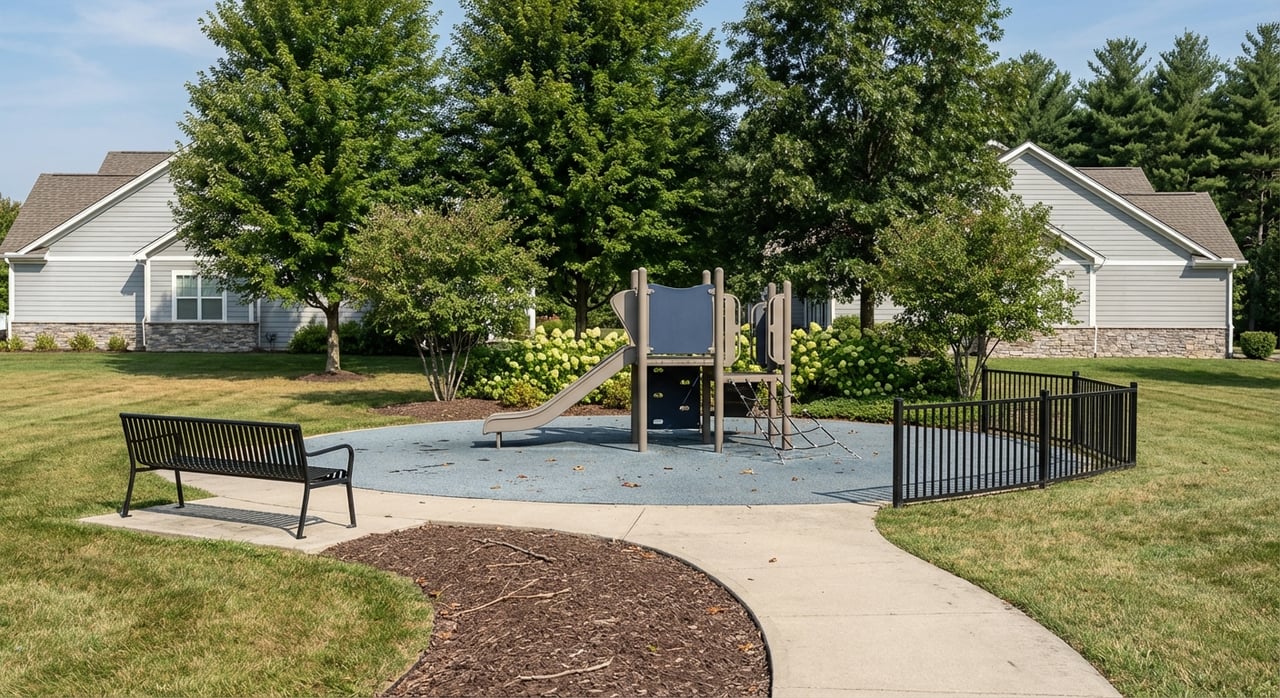
For you as a buyer, this is useful context because community buildout may happen in phases. Amenities, roadways, common elements, or neighboring sections of the development may still be in progress while homes are being sold.
Site plan and subdivision review
The Town of Malta Planning Board has site plan authority over most new multifamily, commercial, institutional, and industrial projects, and subdivision review is required for any new lot. If you are buying in a newly created community, that review process can shape timing and what is ultimately delivered.
A practical question to ask is simple: What approvals are already complete, and what approvals are still pending? That one question can tell you a lot about risk, timing, and expectations.
Timeline milestones before closing
One of the biggest misconceptions with new construction is that the builder’s target completion date is the same as a guaranteed move-in date. In Malta, there are several official steps that can affect when you can actually close and occupy the home.
The town says building permit processing takes a minimum of two weeks. It also requires inspections to be scheduled at least 24 hours in advance.
Key inspections in Malta
Malta’s required checkpoints include:
- Footings
- Foundation
- Sewer or septic and water before backfill
- Rough frame
- Insulation
- Electrical rough
- Electrical final
- Final inspection
New York State also says local governments enforce the Uniform Code and Energy Code in their jurisdictions. For any work that required a building permit, a certificate of occupancy or certificate of compliance is required.
That means your home is not truly ready just because construction looks complete. Closing and move-in may depend on final municipal approval, including the certificate needed for occupancy.
Approval deadlines can matter
Malta also makes clear that planned development district approval can expire if site plan approval, a building permit, or construction does not happen within the required time limit. For buyers, this is another reason to ask for current status in writing.
If a project is still moving through approvals, your contract and timeline deserve extra attention. This is where experienced local guidance can make a real difference.
What to review before signing
A new construction contract is not something you want to rush through. The New York Attorney General advises buyers to have their own attorney review the contract and not to use an attorney provided by the seller or lender.
The Attorney General also advises buyers not to sign documents with blank spaces and not to let themselves be pressured into signing before they are ready. If something is important to you, it should be written clearly into the contract or rider.
Your contract checklist
Before signing, review:
- The purchase contract with your own attorney
- Specification sheets and finish schedules
- What is included versus what costs extra
- Estimated completion timing
- The builder warranty language
- Inspection rights
- Any community rules or association obligations
- If applicable, condo or offering plan documents
If the home is part of a condo or sponsor-style community, the New York Attorney General says you should read the full offering plan before signing. That document governs the sponsor’s obligations.
Get promises in writing
Do not rely on brochures, renderings, or verbal statements for features, finishes, amenities, appliances, or ancillary spaces. The New York Attorney General warns that material promises should be written into the purchase agreement or rider.
This is especially important if you are counting on a clubhouse, certain landscaping, drainage features, roads, recreational facilities, or specific common-area ownership details. If it is not promised in the governing documents, the sponsor is generally not obligated to provide it.
Design choices and upgrade surprises
Many buyers love new construction because they can personalize the home. You may be able to choose flooring, paint colors, appliances, and other finishes.
That said, design center excitement can blur the budget quickly. Before you commit, confirm what comes standard, what counts as an upgrade, and whether community rules limit some choices.
Questions to ask about selections
Ask for a written breakdown of:
- Standard features
- Upgrade pricing
- Deadlines for design selections
- Items the builder chooses if you miss a deadline
- Items that are excluded from the base price
- Rules that affect exterior or visible design elements
These details can help you compare the real total cost of the home, not just the advertised starting price. A lower base price can become far less attractive once upgrades and out-of-pocket extras are added.
Hidden costs to budget for
The biggest surprises in new construction are often financial. Along with your mortgage, buyers should budget for several closing and ownership costs.
Common costs can include:
- Property taxes
- Homeowners insurance
- HOA or condominium assessments, if applicable
- Closing costs
- Title search and title insurance
- Survey fees
- Recording fees
NAHB also notes that a builder may have already paid annual property taxes or prepaid fuel, and you may reimburse a prorated share at closing. That can catch buyers off guard if they are focused only on down payment and loan costs.
Inspections still matter on a new home
A new home is still a home under construction, and mistakes can happen. The New York Attorney General recommends an independent inspection by a licensed engineer or architect and specifically says buyers should negotiate a contract right to cancel if they are not satisfied with the inspection.
The Attorney General also warns buyers not to rely on the lender’s appraisal as a substitute for an inspection. An appraisal serves a different purpose and does not replace your own due diligence.
Final walk-through and punch list
Before closing, inspect the home carefully and document defects. This is where the punch list becomes important.
If repairs or unfinished items will be completed after closing, the New York Attorney General says the repair money should be held in escrow until the work is complete. It also says the punch list and written repair commitment should survive closing.
That written follow-through matters. Without it, you may have less leverage once ownership transfers.
Understand the warranty coverage
Many buyers assume a new home warranty covers everything for years. In reality, warranty coverage is usually limited, and the details matter.
A builder warranty is not the same as a paid home warranty service contract. New York’s Housing Merchant Limited Warranty Law provides protections for newly constructed homes of five stories or less, including one year of protection against most defects, two years for mechanical systems, and six years for structural defects, with strict written notice rules.
Before closing, ask for the warranty documents and review how claims must be submitted. You want to know what is covered, what is excluded, and what deadlines apply if a problem appears after move-in.
Smart questions to ask before buying
If you are considering new construction in Malta, these questions can help you buy with more confidence:
- Which town approvals are complete, and which are still pending?
- Is this home in a subdivision, planned development district, condo, or sponsor-style community?
- What exactly is included in the purchase price?
- What upgrades have been selected, and what do they cost?
- What is the target completion date, and what could delay closing?
- When can I do my independent inspection?
- What happens if punch-list items are unfinished at closing?
- Is there a certificate of occupancy or certificate of compliance requirement before move-in?
- What warranties apply, and how do I make a claim?
- Are there HOA or condo fees, rules, or common-area obligations?
Why local guidance helps
New construction in Malta can involve a lot of moving parts. You are not just evaluating a house. You are also evaluating approvals, documents, timelines, finish schedules, inspection rights, warranty terms, and closing costs.
That is why having a local advocate matters. With the right support, you can ask sharper questions, understand the real timeline, and avoid getting swept up in the excitement before the details are clear.
If you’re considering a new build in Malta and want a calm, informed approach, Julie Ann Gold can help you evaluate your options, understand the process, and move forward with confidence.
FAQs
What should you know about Malta approvals before buying new construction?
- In Malta, a new construction project may involve planning review, subdivision review, site plan review, and building permit approval. Planned development district approval is not the same as a building permit.
What documents should you review before signing a new construction contract in Malta?
- You should review the purchase contract with your own attorney, specification sheets, warranty language, and, if applicable, condo or offering plan documents.
What can delay a new construction closing in Malta?
- Delays can come from permit processing, required inspections, incomplete construction items, or waiting for a certificate of occupancy or certificate of compliance.
What extra costs should you expect when buying a new build in Malta?
- In addition to the mortgage, buyers may pay property taxes, insurance, HOA or condo assessments, title costs, survey fees, recording fees, closing costs, and prorated builder prepaids.
Why should you get an independent inspection on a new home in Malta?
- An independent inspection can help identify defects before closing, and buyers are advised not to rely on the lender’s appraisal as a substitute for their own inspection.
What is a punch list in a Malta new construction purchase?
- A punch list is a written list of defects or unfinished items identified before closing. If work will be finished after closing, it should be documented in writing and handled through clear repair commitments or escrow arrangements.
What warranty protections apply to newly constructed homes in New York?
- For newly constructed homes of five stories or less, New York’s Housing Merchant Limited Warranty Law provides one year of protection against most defects, two years for mechanical systems, and six years for structural defects, subject to written notice rules.