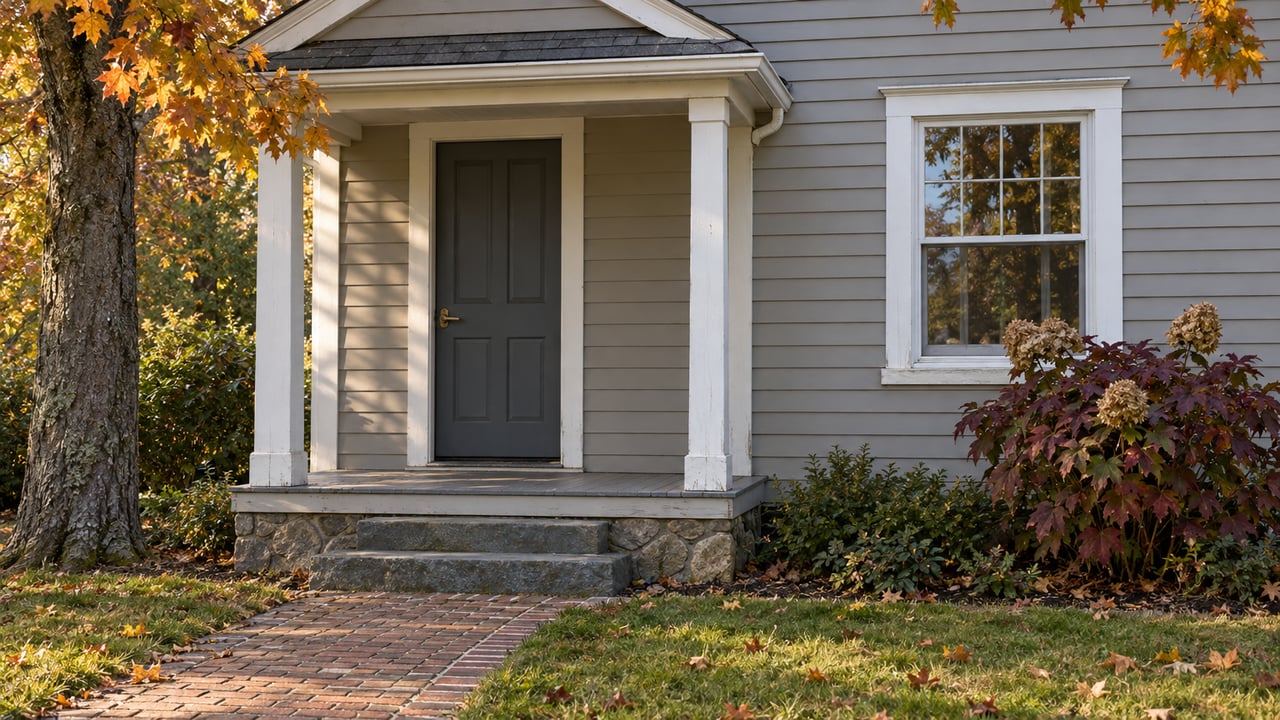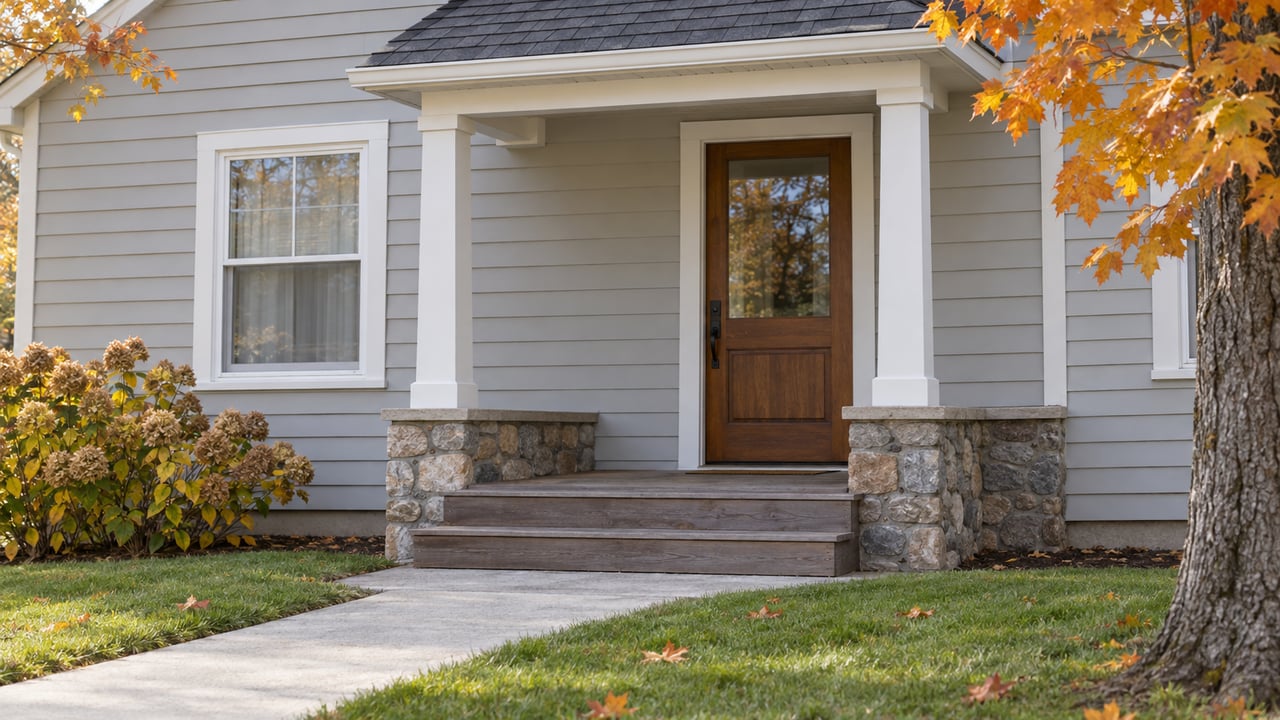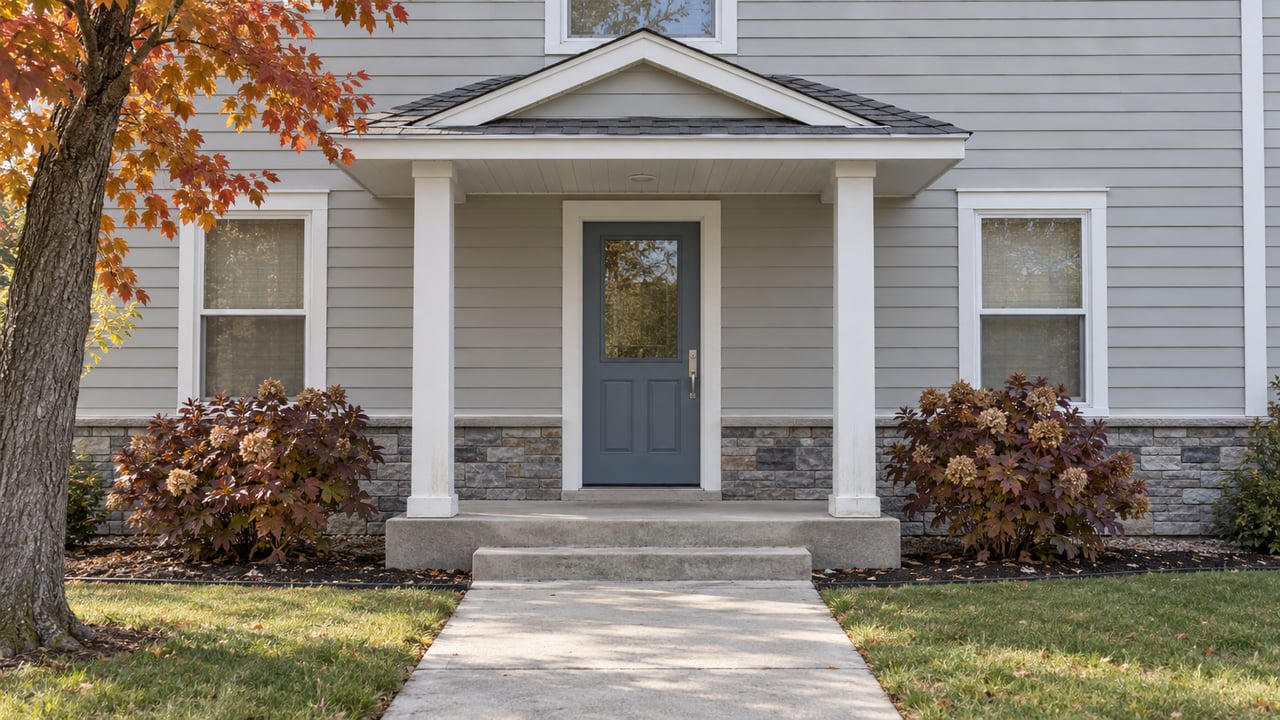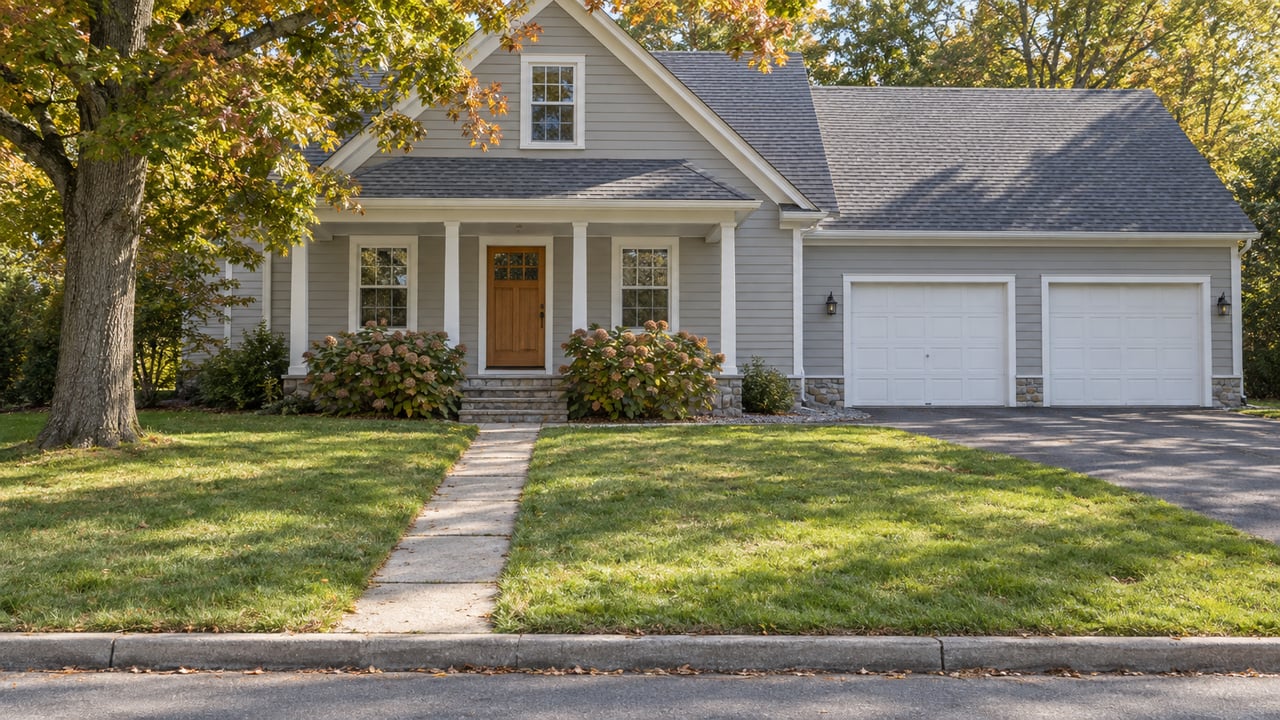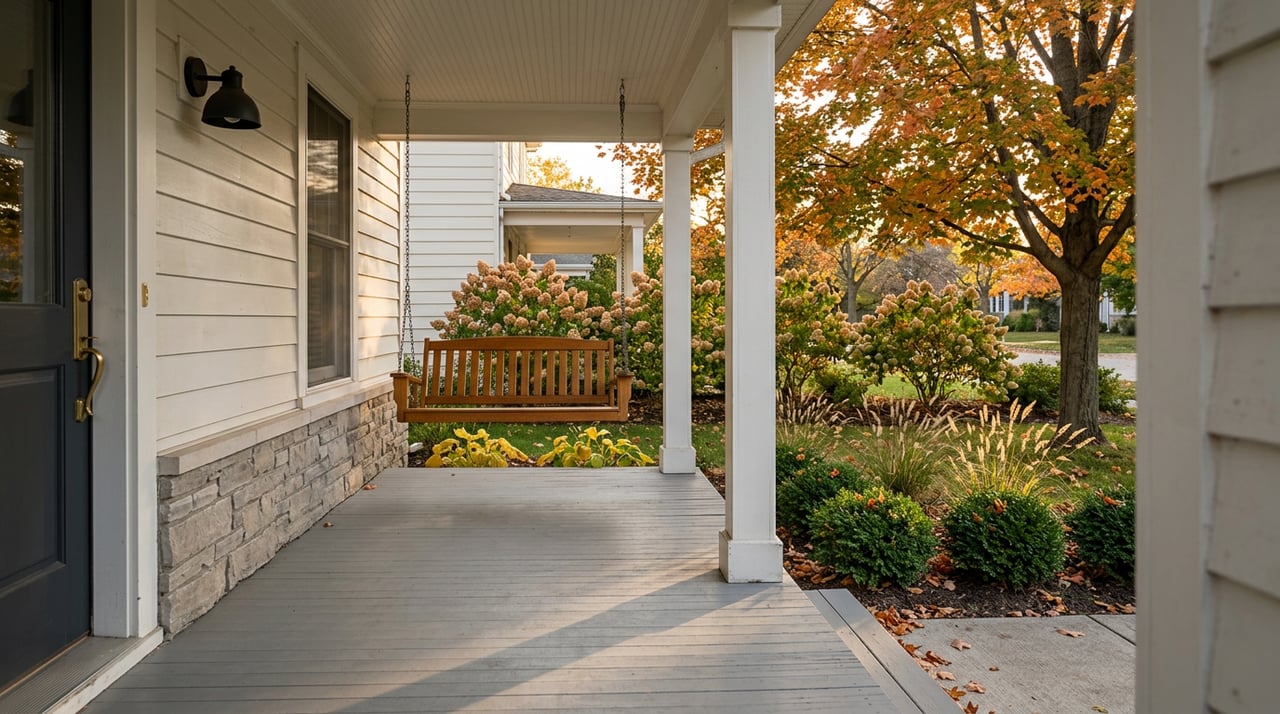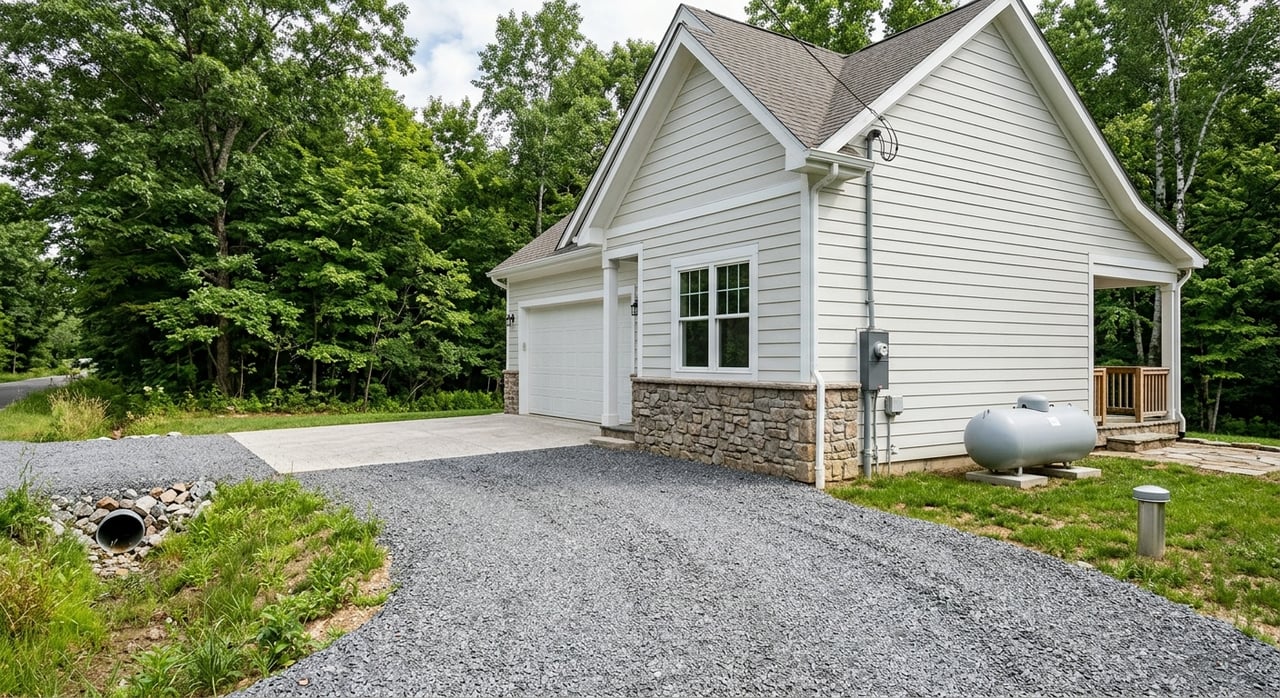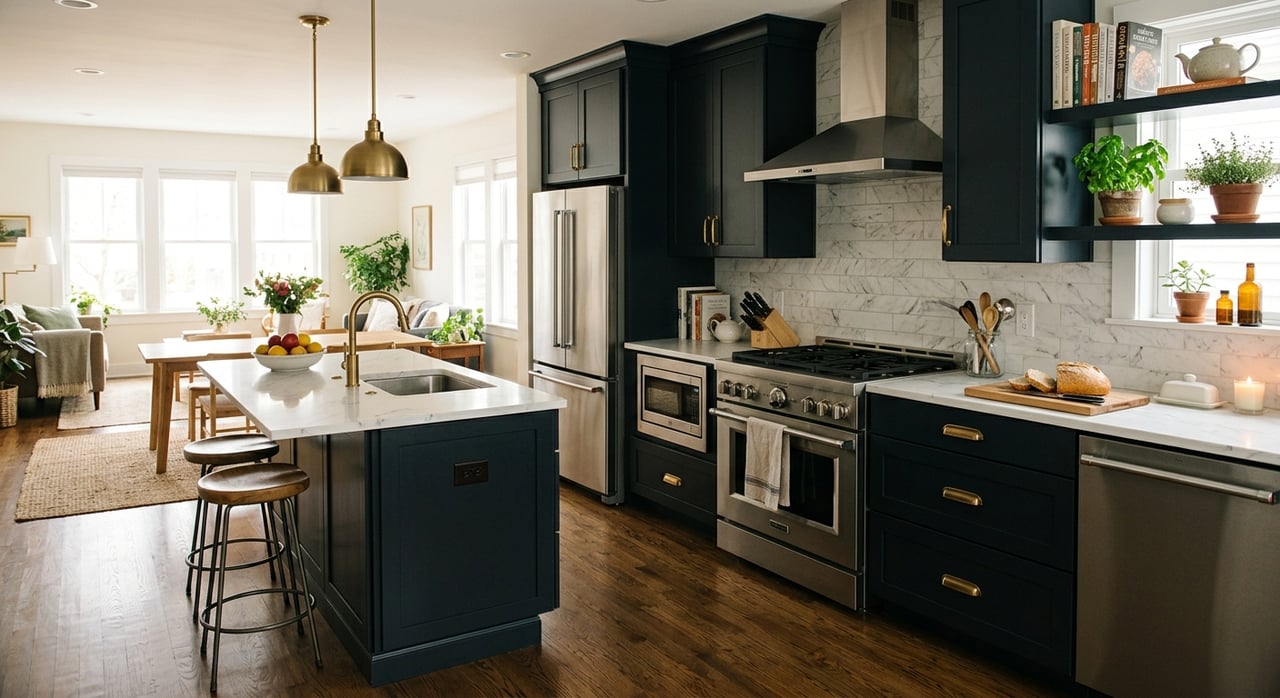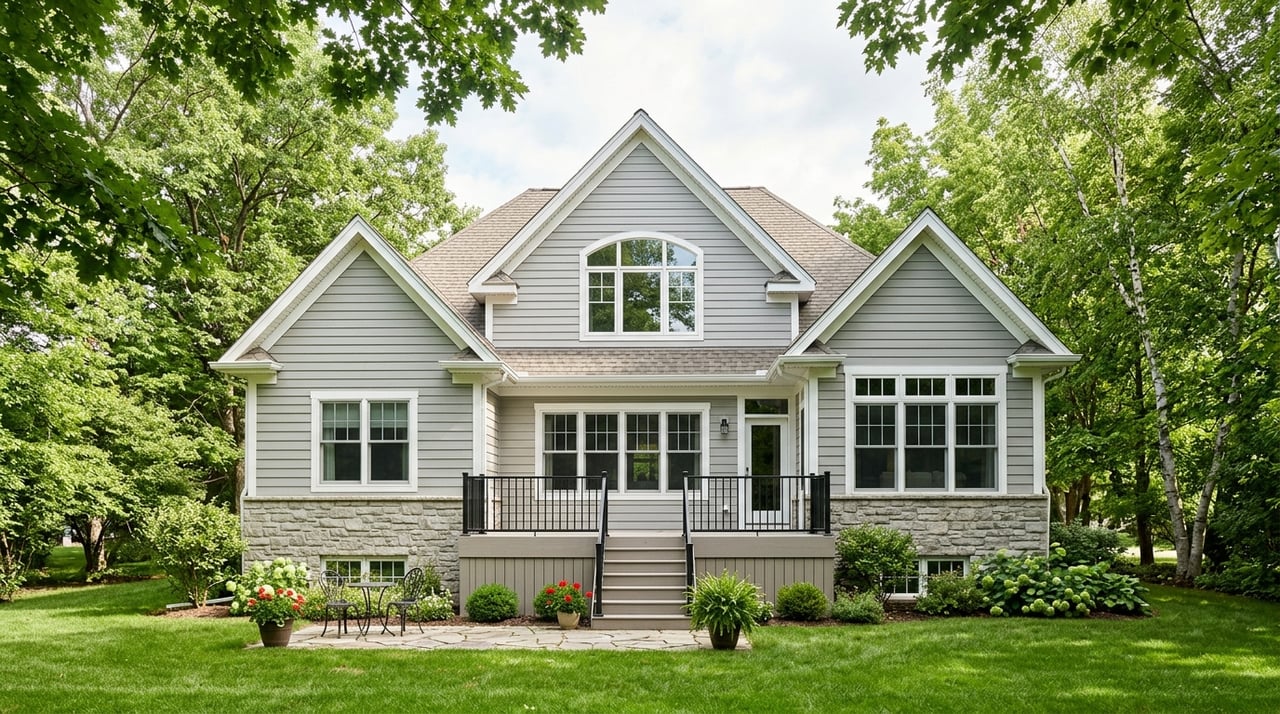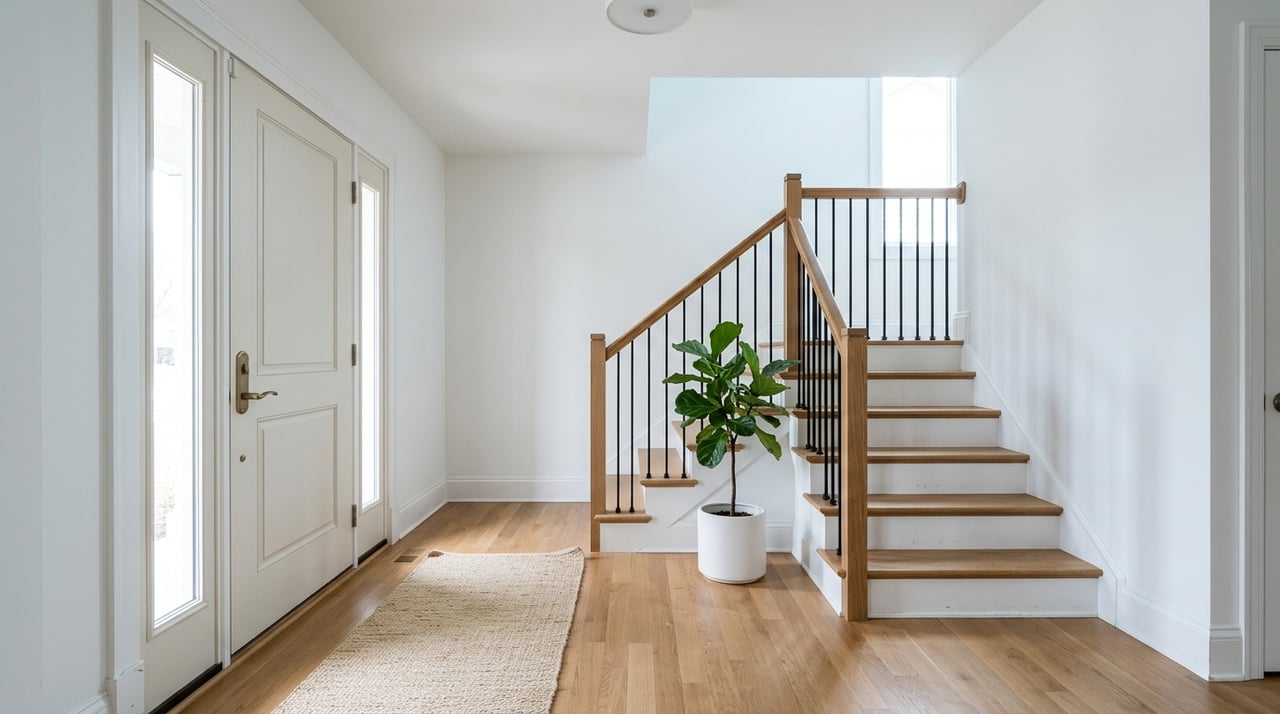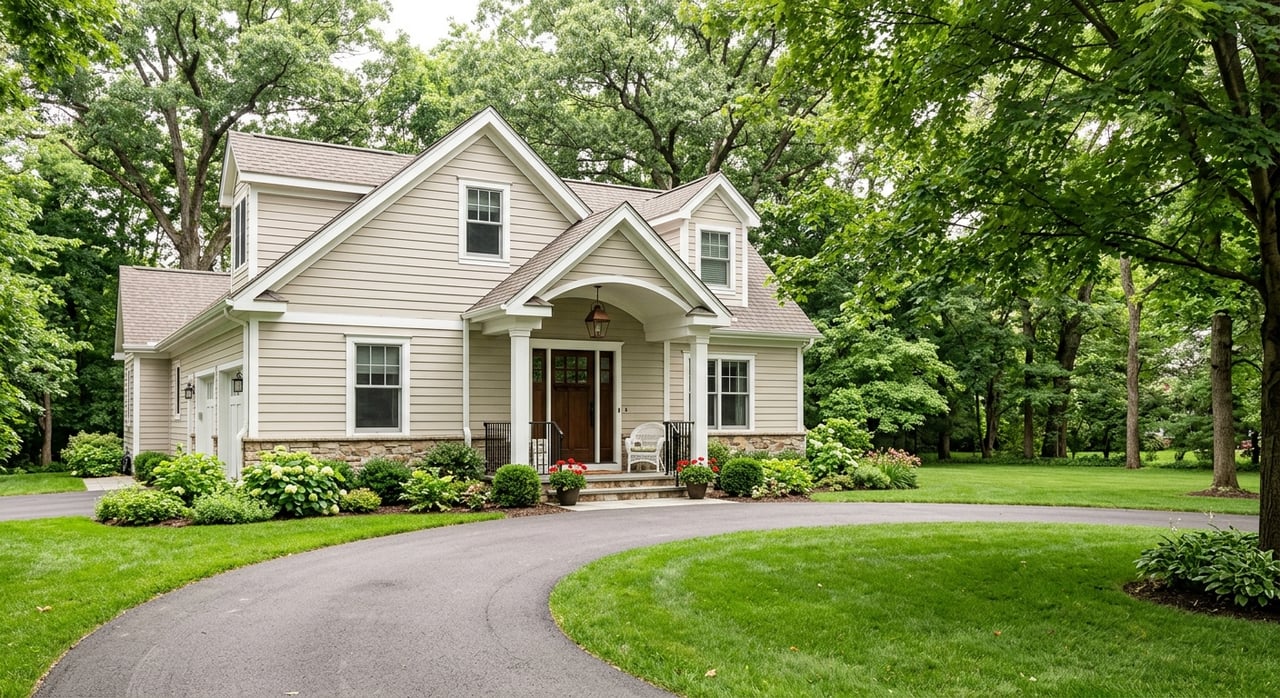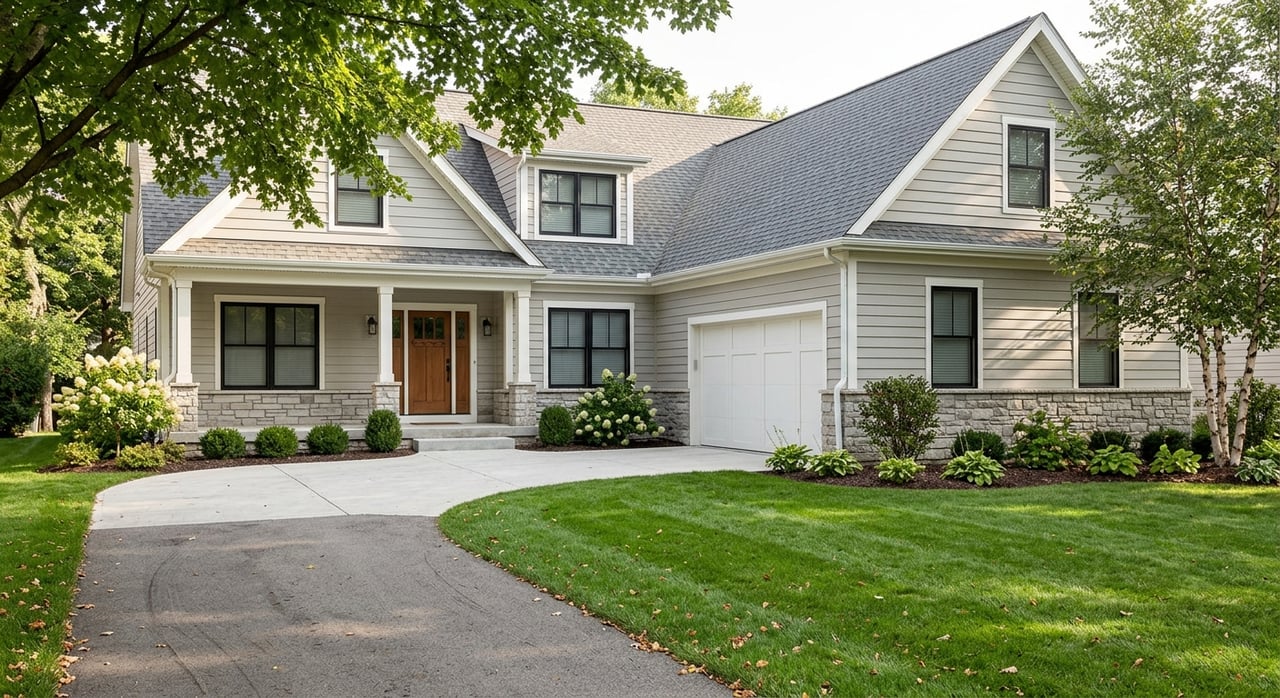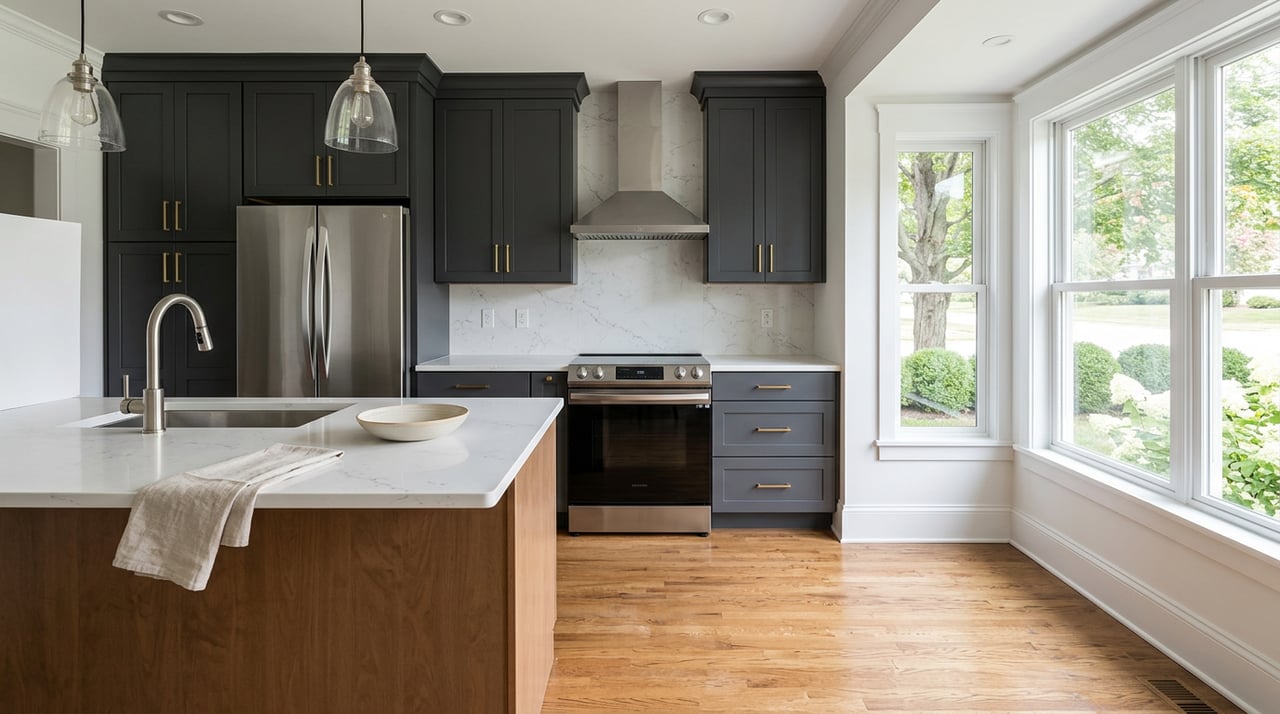
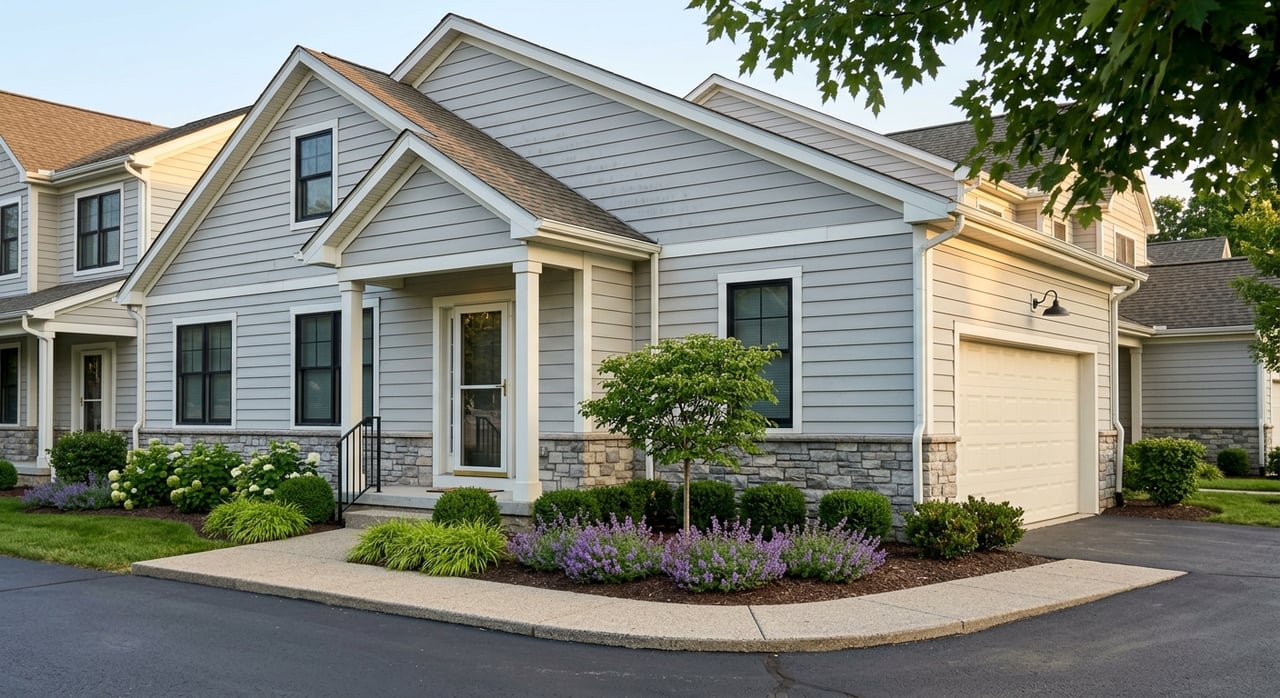
Thinking about a smaller home, but not a smaller life? If you are ready to trade extra rooms, stairs, or yard work for something simpler, Burnt Hills and Ballston Lake can be a practical place to make that move. In this area, downsizing usually means choosing between one-floor single-family living and a limited number of low-maintenance townhome options, while also planning for taxes, timing, and day-to-day convenience. Let’s dive in.
Why downsizers look at Burnt Hills and Ballston Lake
If you want to stay in southern Saratoga County but simplify your home, Burnt Hills and Ballston Lake offer a familiar suburban setting with options that fit many next-chapter moves. This is not a dense condo market. Instead, the area tends to center on single-family homes, especially ranches, with a smaller townhouse niche in Ballston Lake.
That matters because many downsizers are looking for fewer stairs, manageable upkeep, and layouts that support easy daily living. Current listing snapshots in the research show 9 homes for sale in Burnt Hills, 3 townhomes in Ballston Lake, and 19 homes for sale in the Burnt Hills-Ballston Lake Central School District. In other words, you may find good options here, but inventory can be tight.
Home types you are most likely to find
Burnt Hills skews single-family
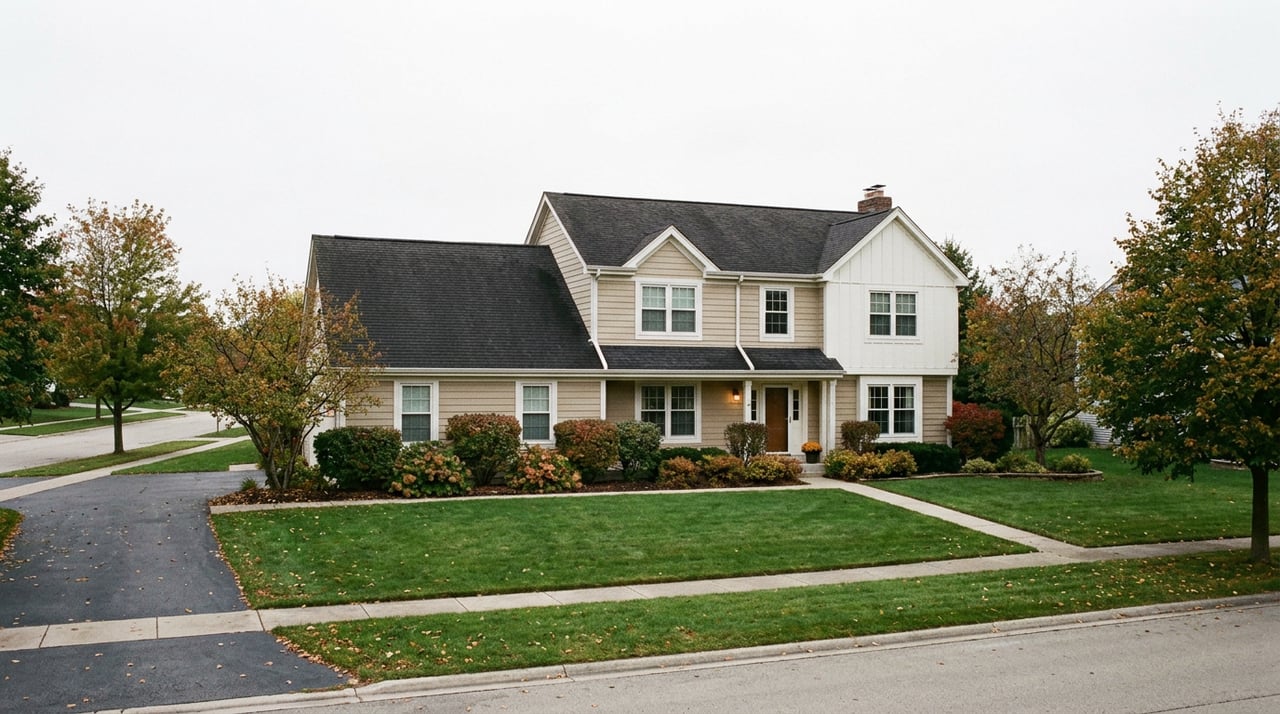
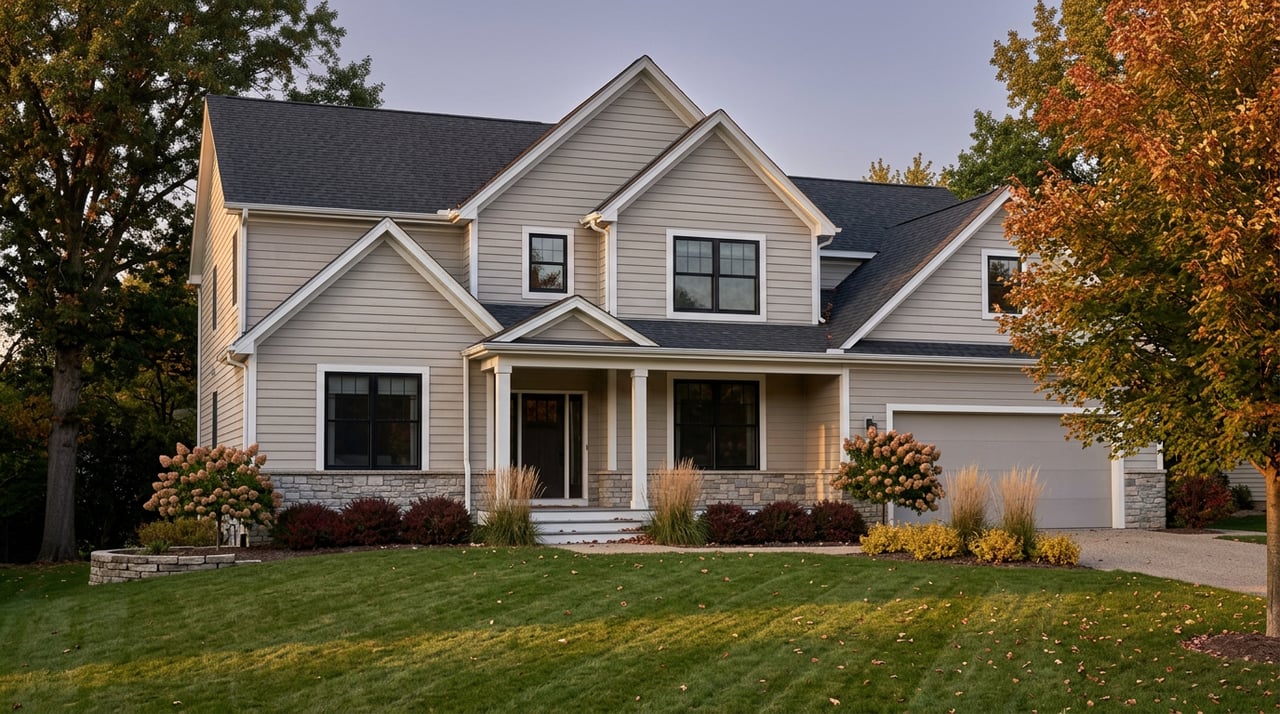
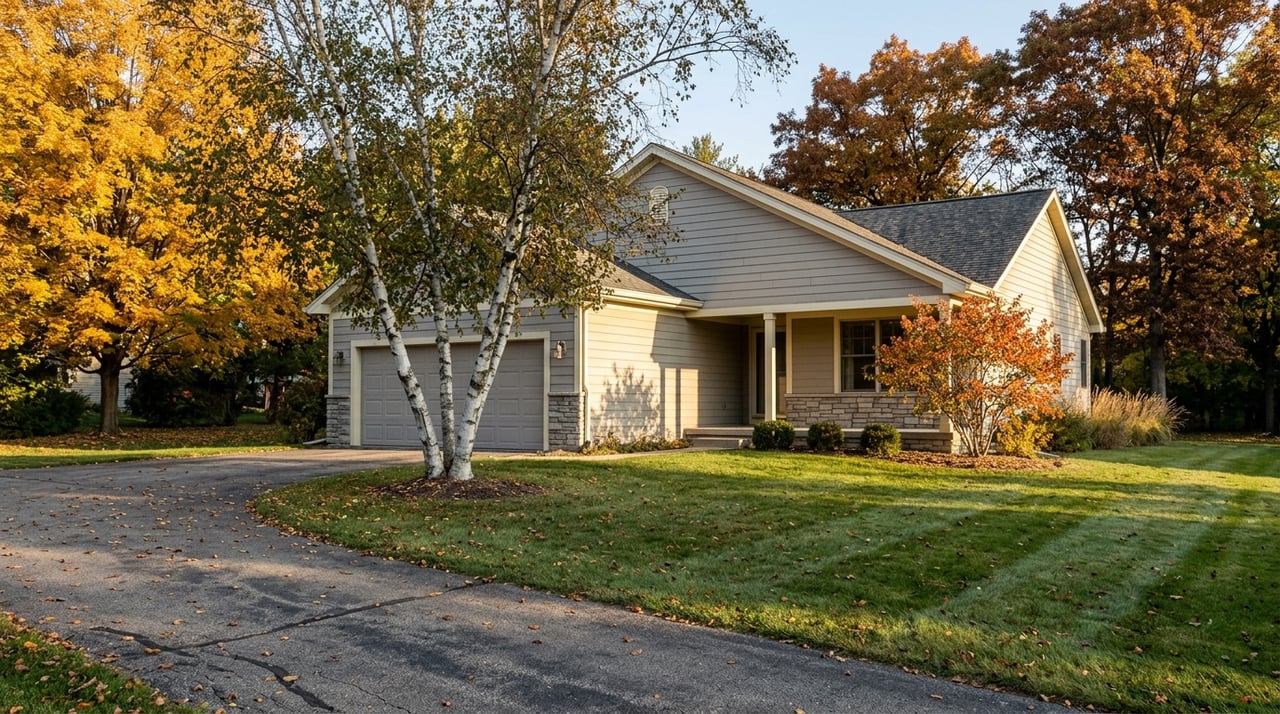
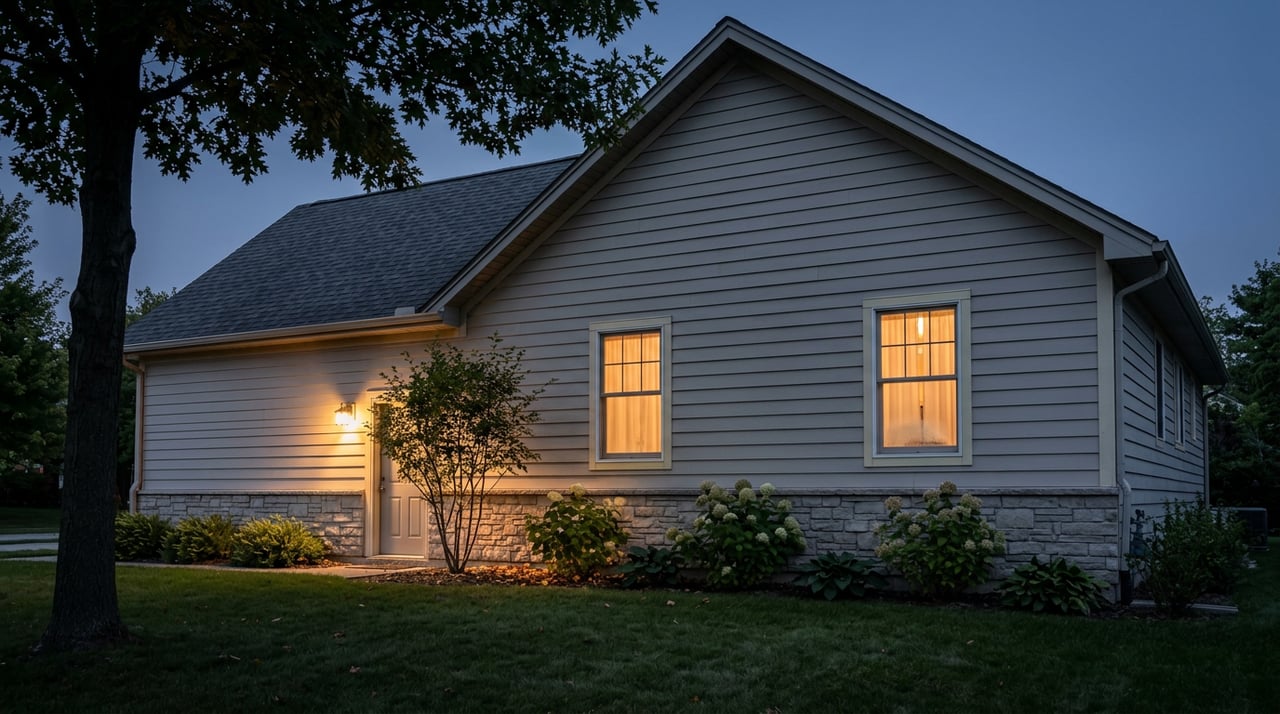
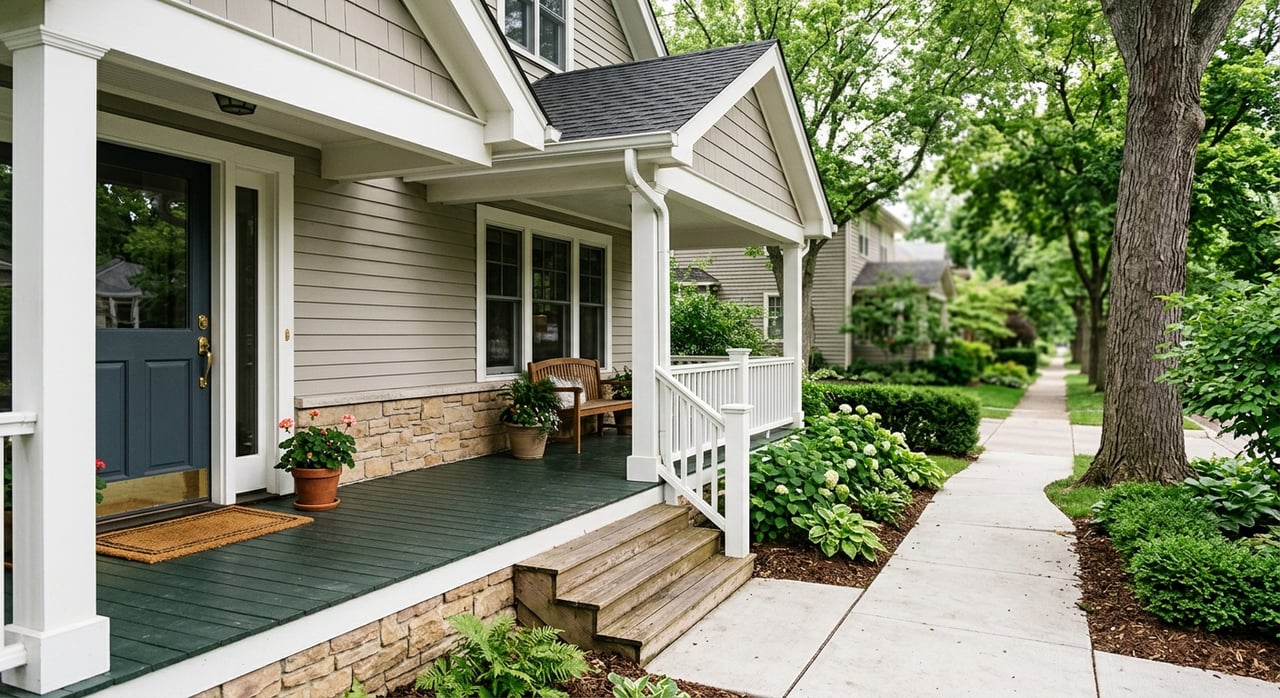
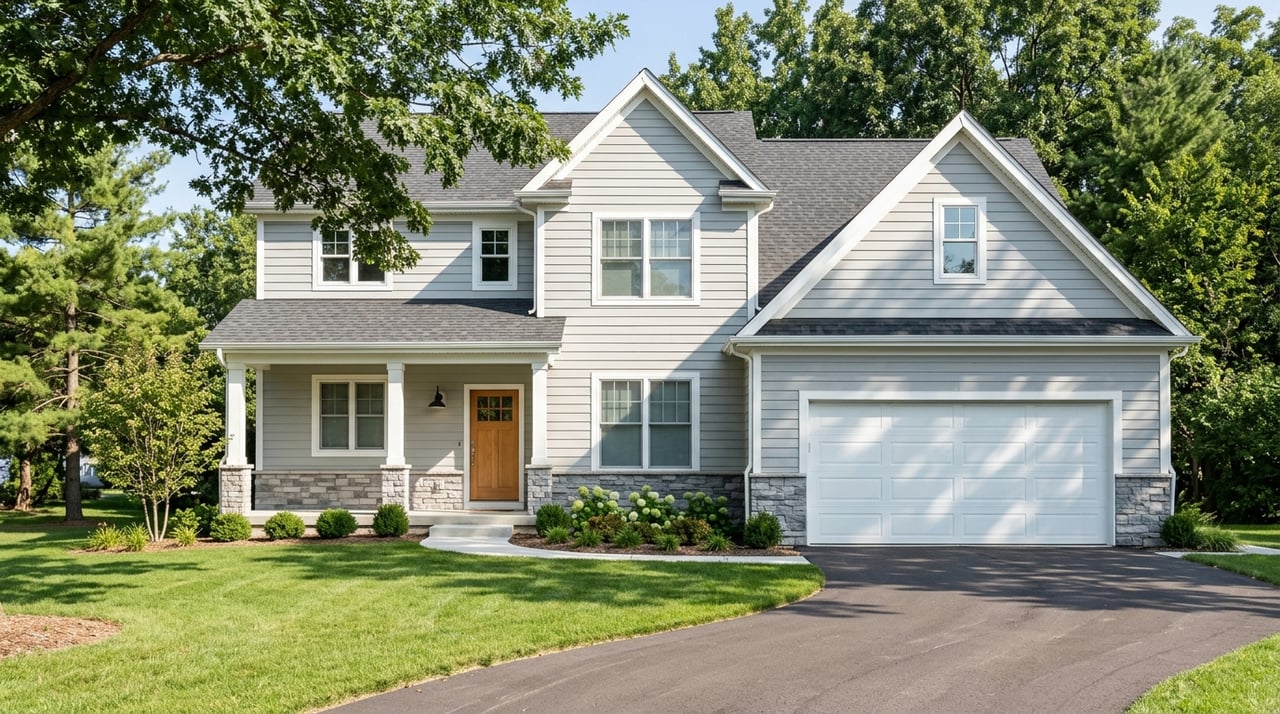
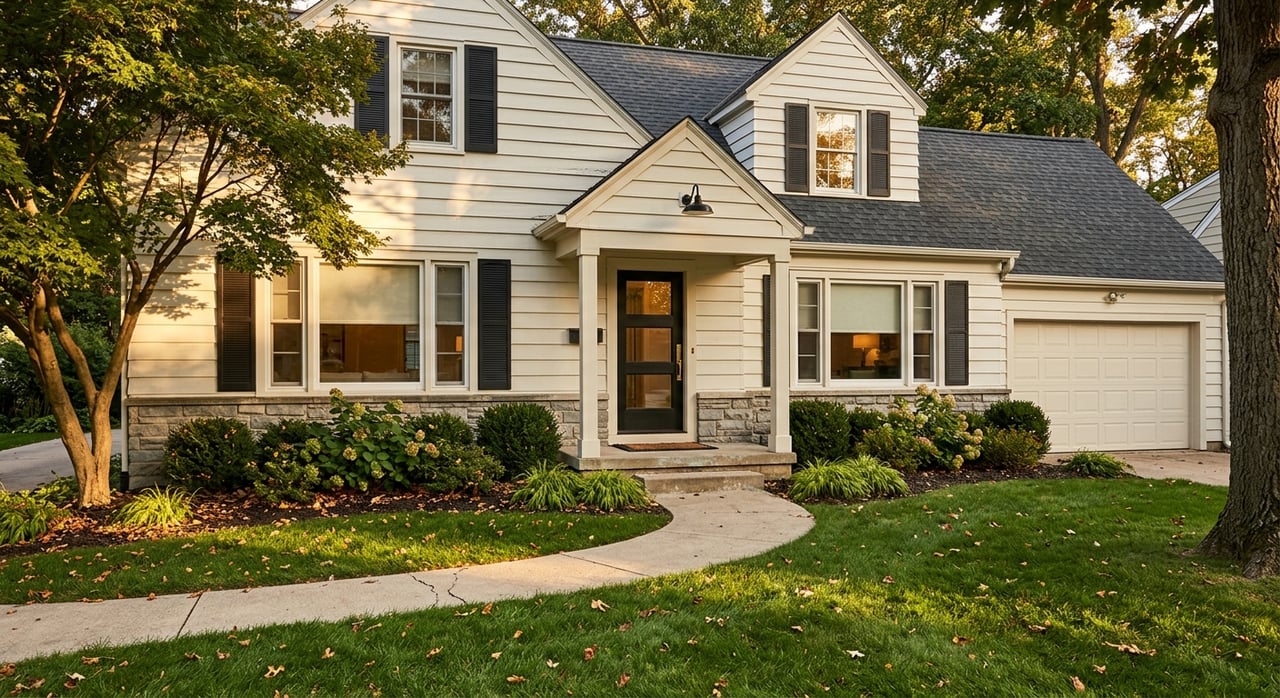
Burnt Hills currently leans heavily toward single-family homes. For many buyers, that means more chances to find ranch-style layouts or smaller detached homes with straightforward living patterns.
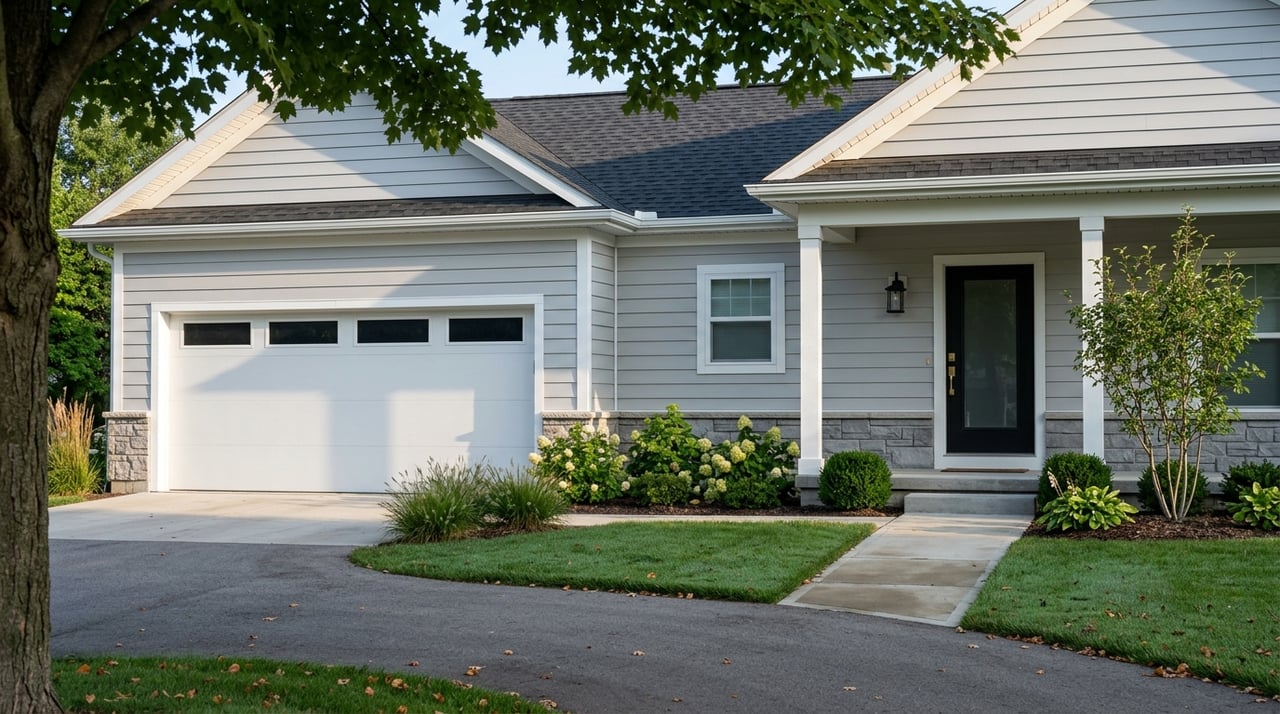
A recent example in the market was a refreshed 3-bedroom, 2-bath home on Goode Street listed at $475,000. Another example was a one-floor ranch on Lake Hill Road that was marketed around one-floor living, an attached garage, and a larger yard. These examples point to the kind of practical housing stock many downsizers are targeting.
Ballston Lake has a townhouse niche
If your goal is lower exterior maintenance, Ballston Lake may deserve a closer look. The townhouse market is small, but it is more visible here than in Burnt Hills.
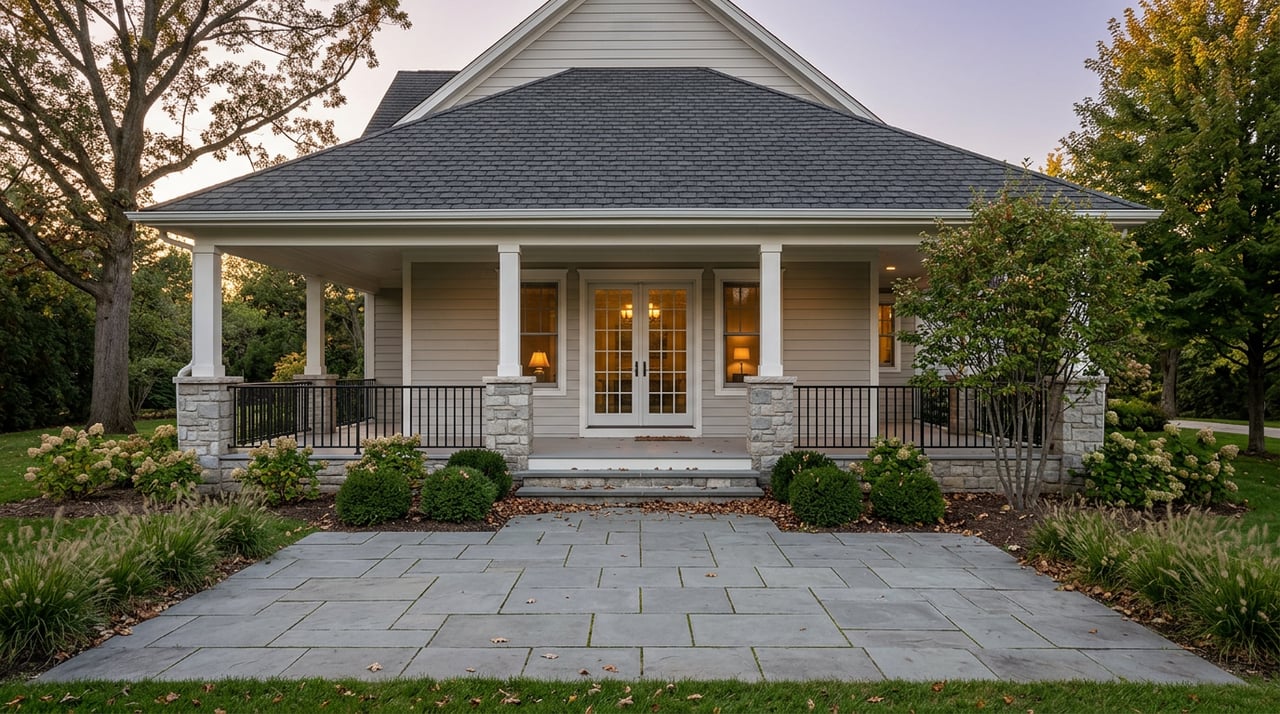
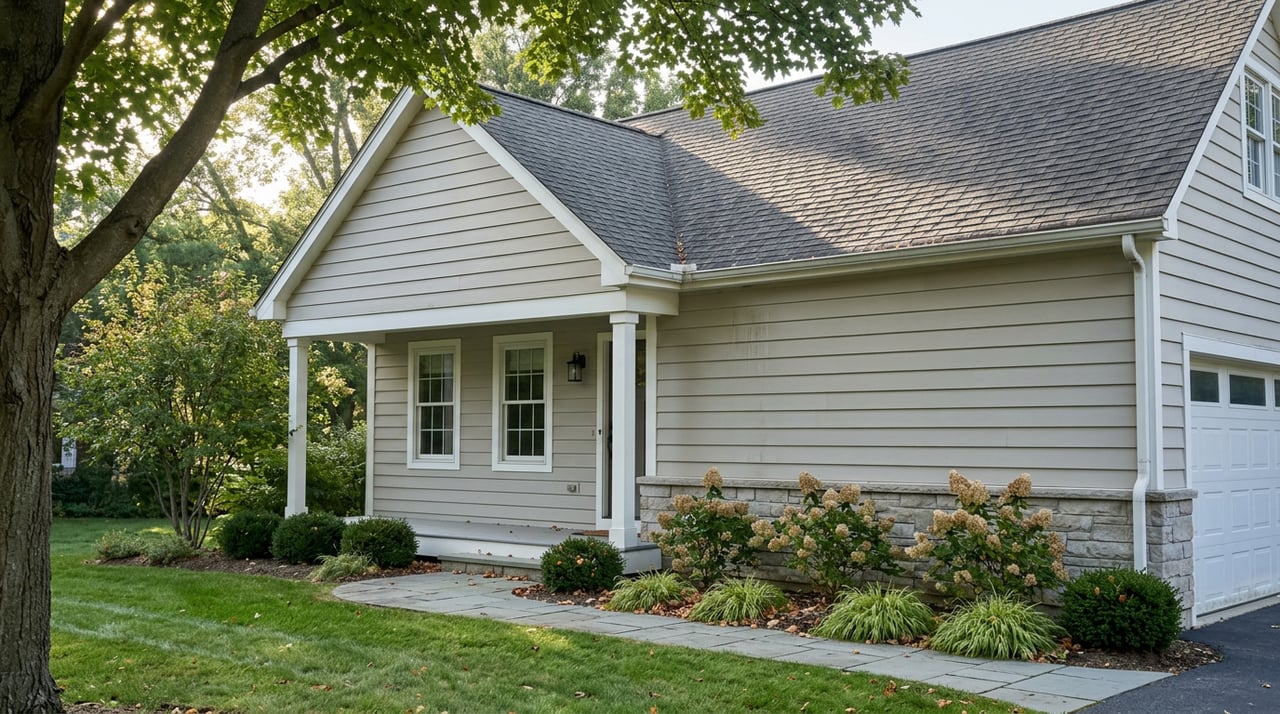
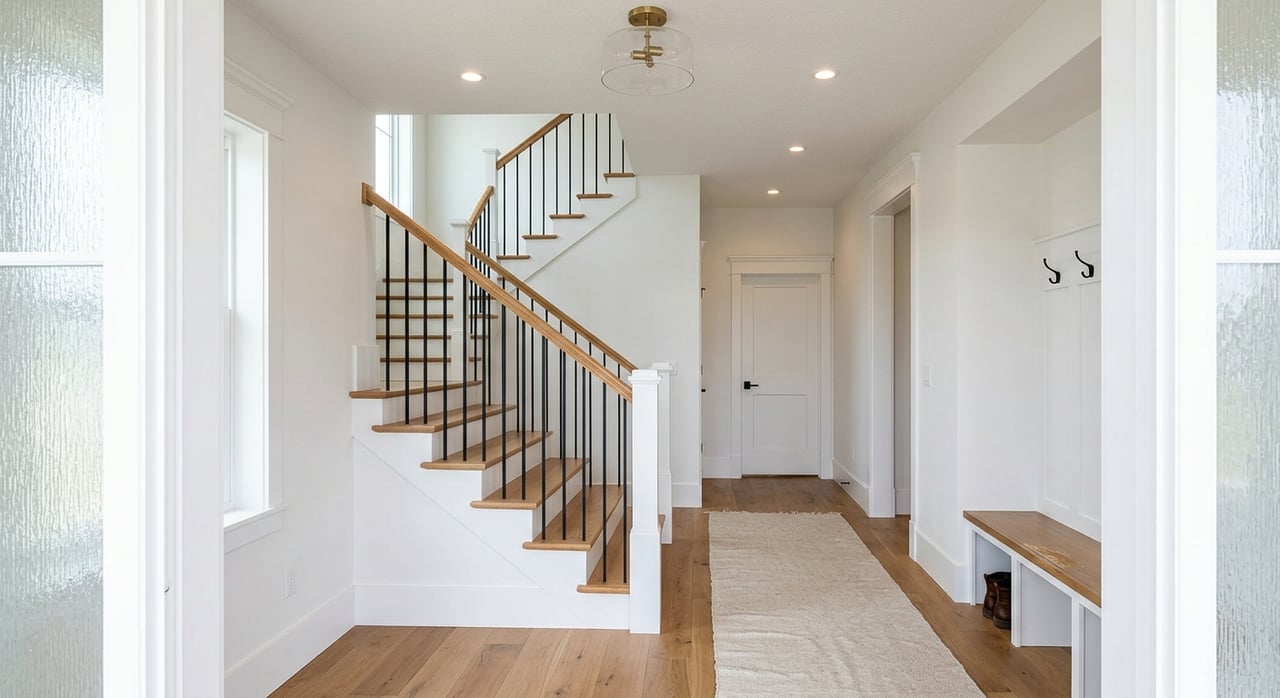
The research identified 3 townhomes within Ballston Lake boundaries, including examples at $484,900 and $549,900. A recent Timber Creek Preserve townhouse sold for $475,000 and included 1,440 square feet, a first-floor primary bedroom, main-level laundry, and a 2-car garage. For many downsizers, that combination checks a lot of boxes.
Ranch or townhome: which fits better?
Your best choice often comes down to how you want to live day to day. Both ranches and townhomes can work well, but they solve different problems.
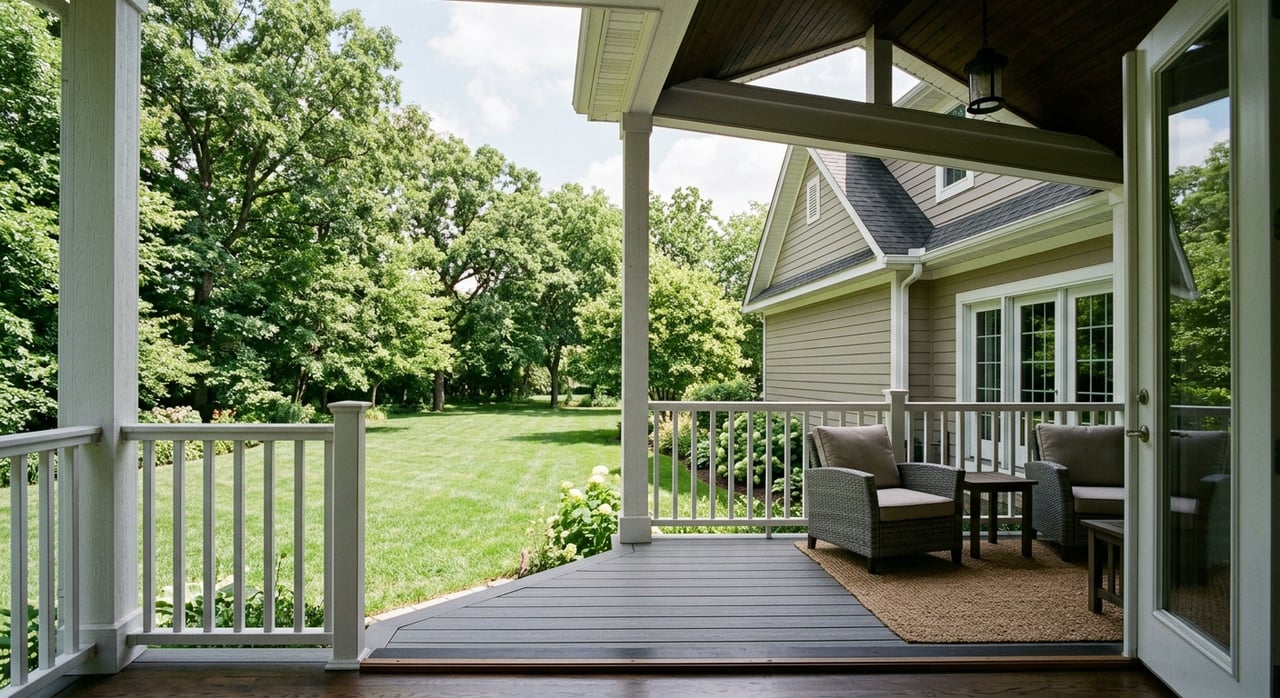
Ranches often appeal to buyers who want minimal stairs and fewer shared rules. A detached home may also give you more control over your property, though it can come with more yard work and exterior upkeep.
Townhomes can offer similar first-floor convenience with more predictable exterior maintenance. If you like the idea of less hands-on upkeep, that trade-off can be attractive. The key is to look beyond the floor plan and understand exactly what the community handles for you.
What to know about HOA living
HOA documents matter as much as dues
If you are considering a townhome in Ballston Lake, do not focus only on the monthly or quarterly fee. New York’s Attorney General notes that HOAs enforce covenants, conditions, and restrictions and manage common elements, which means the governing documents have a direct impact on your ownership experience.
A smart first step is to ask for the HOA offering plan and governing documents. Then confirm what the dues cover, what exterior or use rules apply, and what maintenance remains your responsibility.
Fee structure can vary
One recent Ballston Lake townhouse example had HOA dues of $165 quarterly, which works out to about $55 per month. That is helpful as a local example, but it should not be treated as a standard for every community.
Some associations bill monthly, while others bill quarterly or annually. What matters most is whether the fee supports the lifestyle you want and whether the rules match how you plan to use the home.
How daily life works in this area
Most errands are car-based
Downsizing is not only about the house itself. It is also about how easy life feels once you move in.
In Burnt Hills and Ballston Lake, routine errands are usually car-based. Research on a Ballston Lake listing described the area as one where almost all errands need a car. That means convenience often depends more on the specific property location than on the broader community name.
Some service areas are easier than others
There are still a few concentrated service nodes that can make daily routines easier. The research highlights Hannaford’s grocery and pharmacy at 43 Round Lake Road in Ballston Lake, Ballston Community Public Library at 2 Lawmar Lane in Burnt Hills, and Jenkins Park on Jenkins Road in Burnt Hills.
Homes closer to the Route 50, Round Lake Road, and Lawmar Lane corridor may feel more convenient for everyday tasks. By contrast, homes deeper in subdivision streets may offer a quieter setting but usually require more driving. If convenience is a top priority, this is something to weigh early in your search.
Taxes and savings to review before you move
STAR and senior exemption basics
Before you list your current home or make an offer on the next one, it helps to review property-tax programs that may affect your costs. In the Town of Ballston, the senior citizen exemption generally applies to homeowners age 65 and older who meet income limits. STAR applies only to school taxes.
For 2026, Enhanced STAR is available for adjusted gross income up to $110,750. Basic STAR is available for owners of a primary residence with adjusted gross income up to $500,000. Because eligibility depends on your situation and the property, it is worth checking details before you make your move.
Local STAR savings can be meaningful
In Saratoga County’s 2025 STAR table, the Town of Ballston in the Burnt Hills-Ballston Lake school district showed Basic STAR savings of $564.42. Enhanced STAR savings were about $1,591 to $1,620, depending on whether the homeowner received the exemption or the credit.
Those numbers can make a real difference in your annual housing costs. Still, savings vary by municipality, school district, and tax bill, so the exact parcel should always be reviewed.
Selling first vs. buying first
Why timing matters here
In a market with limited inventory, sequence matters. Burnt Hills 12027 was in seller’s-market territory in April 2026, with a median sale price of $385,000 and an average of 4 days on market. Combined with just 9 Burnt Hills homes and 3 Ballston Lake townhomes in the research snapshot, that suggests you may need a plan before your current home hits the market.
For many downsizers, selling first is the cleaner path. It can clarify your budget, reduce carrying-cost stress, and help you shop with more confidence.
Prepare before you start touring
If you expect to finance your next purchase, getting preapproved before you shop can help you move quickly when the right property appears. It is also wise to keep an inspection contingency in place so you have room to evaluate the home carefully.
This is where strategy matters as much as timing. A thoughtful plan can help you avoid rushing into a home that is smaller, but not actually better suited to your needs.
Closing costs and sale proceeds
When you sell in New York, transfer tax is $2 for every $500 of consideration and is usually paid by the grantor. A 1% mansion tax applies at $1 million or more.
You may also want to review potential capital gains treatment before you sell. The IRS allows an exclusion of up to $250,000 of gain for single filers and up to $500,000 for joint filers if ownership and use tests are met. If sale proceeds are part of your downsizing strategy, this is an important planning point.
A smart downsizing strategy for this market
In Burnt Hills and Ballston Lake, downsizing is usually less about moving into a condo tower and more about choosing the right suburban fit. You are likely balancing ranch convenience, a small pool of townhome options, car-based daily routines, and tax details that can affect your monthly budget.
That is why local guidance matters. With the right plan, you can compare layouts, review HOA terms carefully, estimate your true carry costs, and time your sale and purchase in a way that feels manageable.
If you are thinking about downsizing in Burnt Hills or Ballston Lake, Julie Ann Gold can help you build a clear strategy, understand your options, and move forward with confidence.
FAQs
What home type is most common for downsizing in Burnt Hills?
- Burnt Hills currently skews toward single-family homes, especially ranch-style and smaller detached properties, rather than condos or dense townhome developments.
What townhome options are available for downsizers in Ballston Lake?
- Ballston Lake has a small townhouse market, with current research showing 3 townhomes and recent examples that include first-floor primary bedrooms, main-level laundry, and attached garages.
What should you ask about an HOA in Ballston Lake?
- You should ask for the HOA offering plan and governing documents, confirm what dues cover, and review any rules about exterior use, maintenance, and owner responsibilities.
How walkable is daily life in Burnt Hills and Ballston Lake?
- Most errands in this area are car-based, though homes closer to the Route 50, Round Lake Road, and Lawmar Lane corridor may feel more convenient for groceries, library visits, and other routine stops.
What tax programs may help downsizers in the Town of Ballston?
- Depending on your eligibility, you may qualify for the senior citizen exemption and either Basic STAR or Enhanced STAR, with STAR applying to school taxes only.
Should you sell your current home before buying in Burnt Hills or Ballston Lake?
- Usually, selling first is the more practical path because it clarifies your budget and can reduce stress in a market with limited inventory and fast-moving listings.