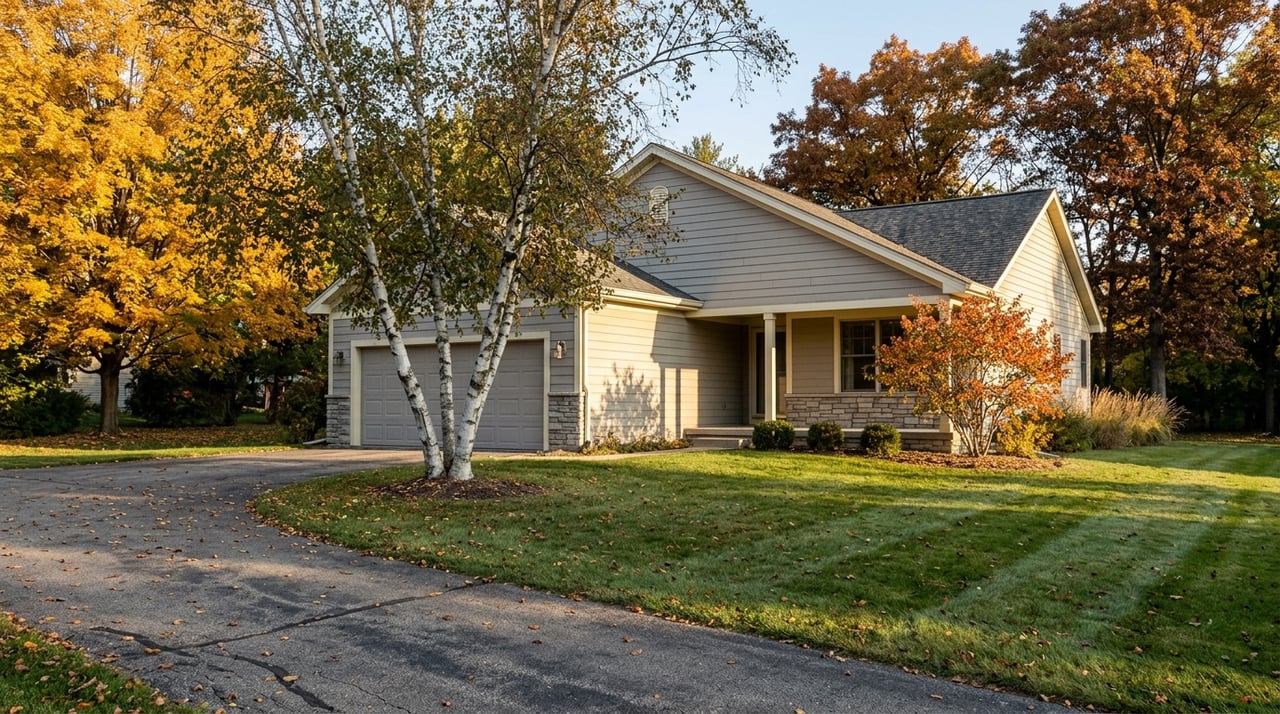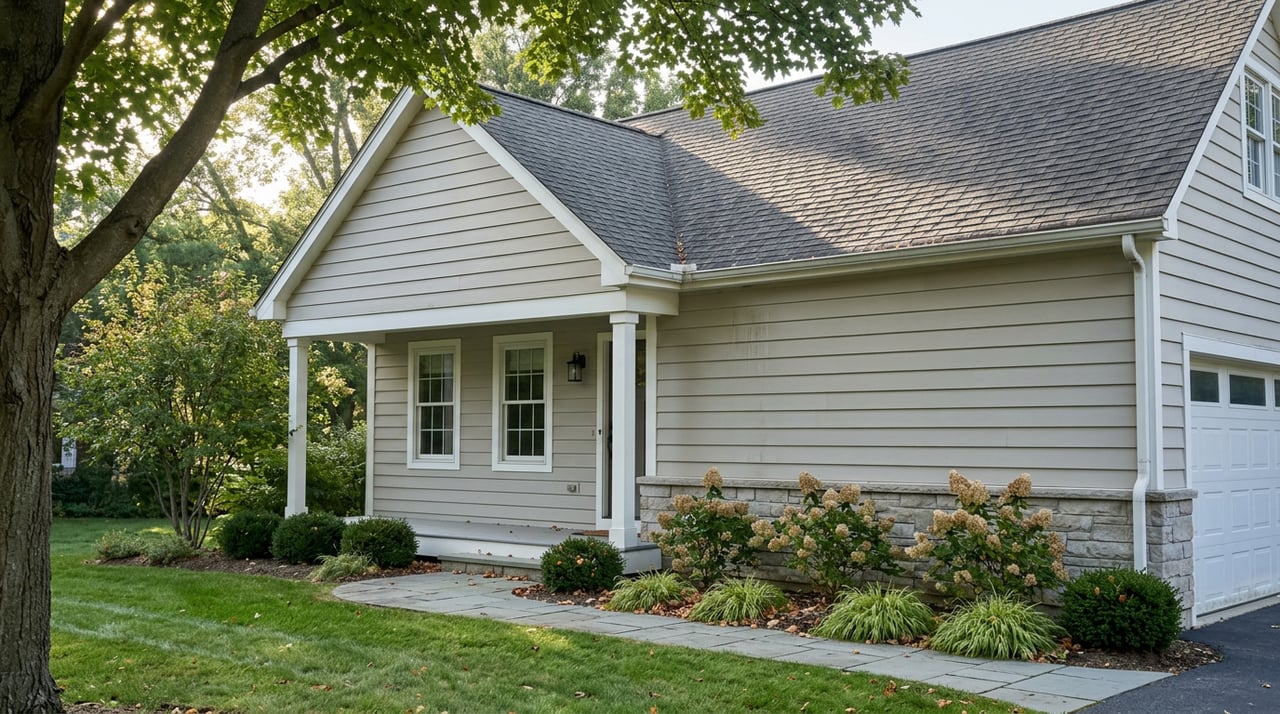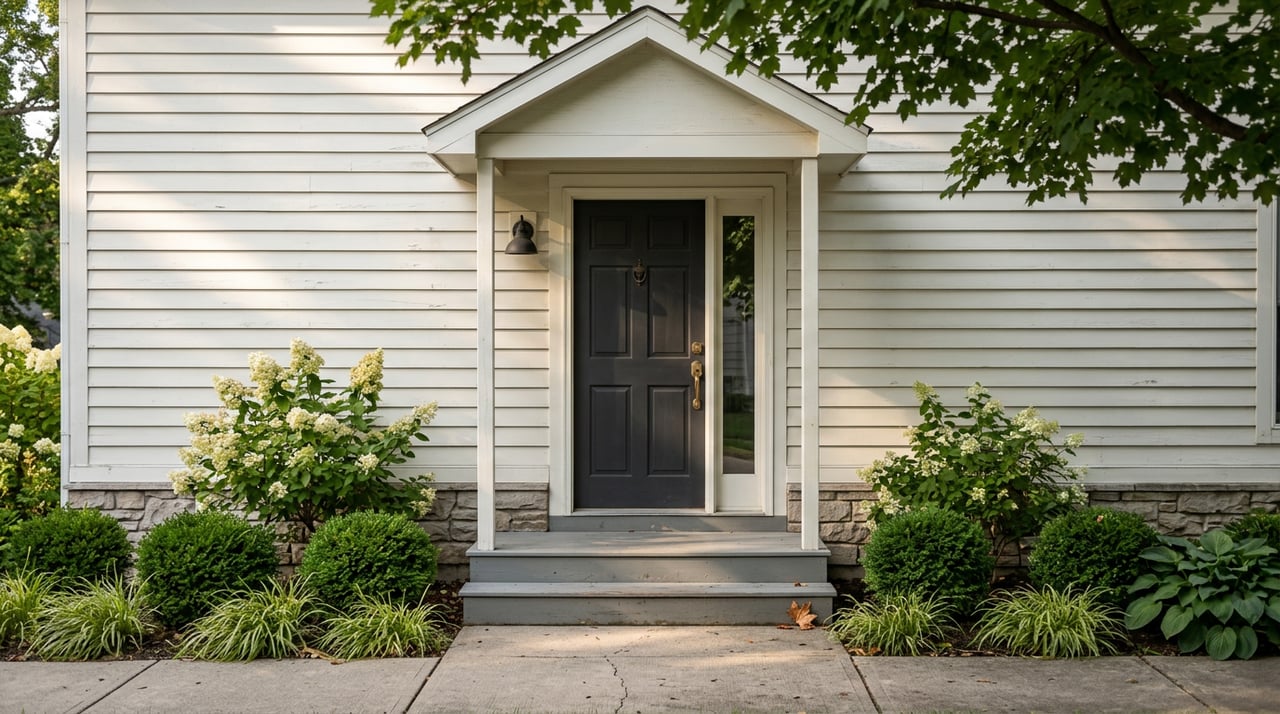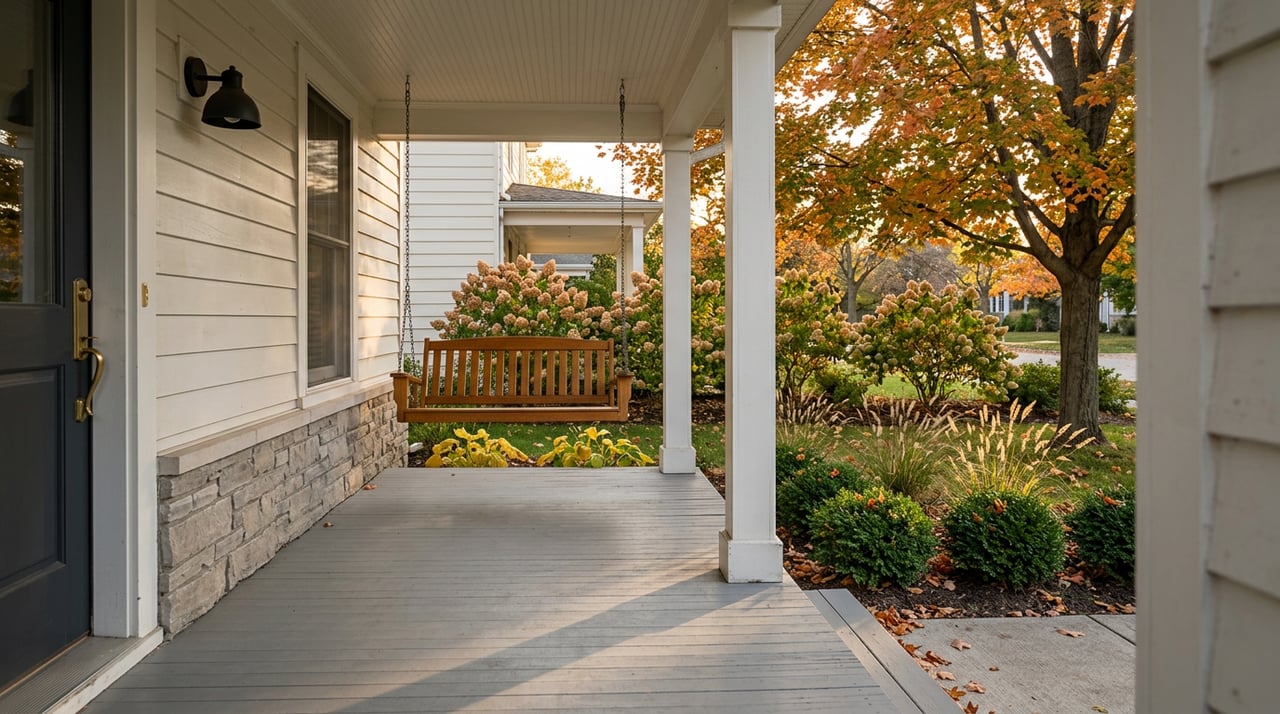
If you're comparing two listings in the Village of Ballston Spa this month, both around $420,000, both walkable to Front Street, both zoned into the same school district, you might assume the tax line on the closing disclosure will look about the same too. It won't necessarily. One of those houses could sit in the Town of Milton. The other could sit in the Town of Ballston. And under this year's village budget, those two towns are charging noticeably different rates for the exact same village services.
This isn't a quirk buried in a footnote. It's baked into how the village is drawn on the map, and it changes the real cost of owning a specific address, not just the village in general.
One Village, Two Towns, One Invisible Line
Ballston Spa is a single incorporated village, but it was never entirely inside one town. Historically, High Street marked the boundary, with most of the village falling in the Town of Milton and a smaller slice in the northeast corner of the Town of Ballston. That split still exists today. Every parcel in the village belongs to the village government for services like the library, the fire department, water, sewer, and sidewalks, but it also belongs to whichever town it happens to fall in for assessment purposes.
That means every village property tax bill is actually built from two different sets of numbers depending on which side of that old line the house sits on.
For the fiscal year that runs through 2027, the village's own tentative budget lays out the gap plainly:
| Town of Milton side | Town of Ballston side | |
|---|---|---|
| Equalization rate | 60.50% | 63.49% |
| Village tax rate (per $1,000 assessed) | $6.149596 | $5.859987 |
| Increase from prior year | 4.61% | 3.91% |
Same village. Same mayor, same trustees, same fire trucks, same sidewalks. Different rate, different increase, different equalization percentage entirely.
Why the Same Village Charges Two Different Rates
The equalization rate is the part most buyers never hear explained, and it's the part that actually matters. It's a correction factor. Each town assesses property values on its own schedule and its own methodology, so a $400,000 house in the Milton side of the village and a $400,000 house in the Ballston side of the village can land on the tax roll with different assessed values relative to their real market worth. The equalization rate adjusts for that gap so the village can apply a fair levy across both towns.
The practical effect is that the headline rate you see, the $6.15 or the $5.86 per $1,000, isn't a clean measure of who pays more. It's a number shaped by each town's separate assessment practice as much as by the village's actual budget needs.
The Number That Actually Tells You the Truth
If the assessed-value rate is the noisy number, the village's full-value rate is the signal. This is the tax rate recalculated against real market value rather than each town's assessed figure, and it's the only apples-to-apples way to compare the two sides of the village or to compare Ballston Spa to a neighboring town.
Here's what that trend has actually looked like over the past several budget cycles:
- FY22: $4.51 per $1,000 of full value
- FY25: $3.93 per $1,000
- FY26: $3.70 per $1,000
- FY27: $3.72 per $1,000
Read the assessed-value headline in isolation and you'd think Ballston Spa taxes are climbing fast, with one side of the village jumping over 4.6% in a single year. Read the full-value rate and the story flips: relative to what homes are actually worth, the tax burden has been falling for years and only ticked up fractionally this year. The gap between Milton-side and Ballston-side headlines is mostly an artifact of two different assessment rolls catching up to each other, not two different villages charging wildly different amounts for the same services.
That distinction is worth knowing before you let a percentage increase talk you out of a house you otherwise like.
A Past Assessment Dispute
Town-specific quirks have swung rates before, too. A prior dispute over the assessed value of a nursing facility in the Town of Ballston's section of the village once forced the village to recalculate its planned increase for that side entirely, trimming what would have been a larger jump down to a smaller one after the settlement lowered that parcel's assessed value. These aren't hypothetical abstractions. They're the actual mechanics behind why one town's number moves differently than the other's from year to year, sometimes even mid-negotiation.
What This Means When You're Comparing Two Listings
None of this should scare a buyer out of the village. Ballston Spa's own budget language points out that, relative to full property values, it remains an affordable place to own given the services residents receive: a village library, a fire department with equipment reserves being built for a new ladder truck, a water system with three towers currently being funded for renovation, and sidewalks maintained through an ongoing capital plan. You're paying for real infrastructure either way. The question is just how that payment gets divided between you and your neighbor across the street.
A few things worth doing before you write an offer:
- Ask which town the parcel sits in. It's not always obvious from the mailing address, since a Ballston Spa address doesn't automatically mean Town of Ballston.
- Ask for the actual prior-year tax bill, not just the current rate, since the bill reflects the assessed value the town already assigned to that specific house.
- If you're comparing two homes on opposite sides of the village line, use the full-value rate as your baseline rather than each town's separate assessed rate, since that's the number that strips out the assessment-timing noise.
- Remember that a bigger percentage increase headline on one side doesn't necessarily mean a bigger dollar bill. It can just mean that town's assessment roll is catching up.
This kind of comparison matters more right now because the village isn't sitting still while you figure it out. Median sale prices across Ballston Spa have been running somewhere between roughly $380,000 and $430,000 through the spring of 2026 depending on how the window is measured, and homes have generally been moving in under three weeks, with many selling at or above list. That pace doesn't leave much room to untangle two towns' worth of tax math after you've already fallen for a house.
A Few Quick Answers
Does the town affect my school district? Not directly. Most of the village falls within the Ballston Spa Central School District regardless of which town a parcel sits in, since the district's boundaries were drawn separately from the town line.
Will I get different village services depending on which town I'm in? No. Library access, fire protection, water, sewer, and sidewalk maintenance come from the village government and apply the same way across both towns. The difference is purely in how the tax levy is apportioned to fund those shared services.
Is one side of the village a better long-term buy than the other? That depends more on the specific parcel's assessment history than on which town it's in. A full-value comparison, not a headline rate, is the honest way to judge that for any individual house.
If you're weighing two Ballston Spa listings and want someone to actually pull the assessment history and walk through what it means for your specific offer, that's the kind of pricing-strategy work I do as a PSA-certified agent every day. Julie Gold Homes can request your free home valuation and strategy call before you make a decision you'd have to live with on both sides of that town line.
This article is general information, not legal, tax or financial advice. Consult a qualified professional about your situation.