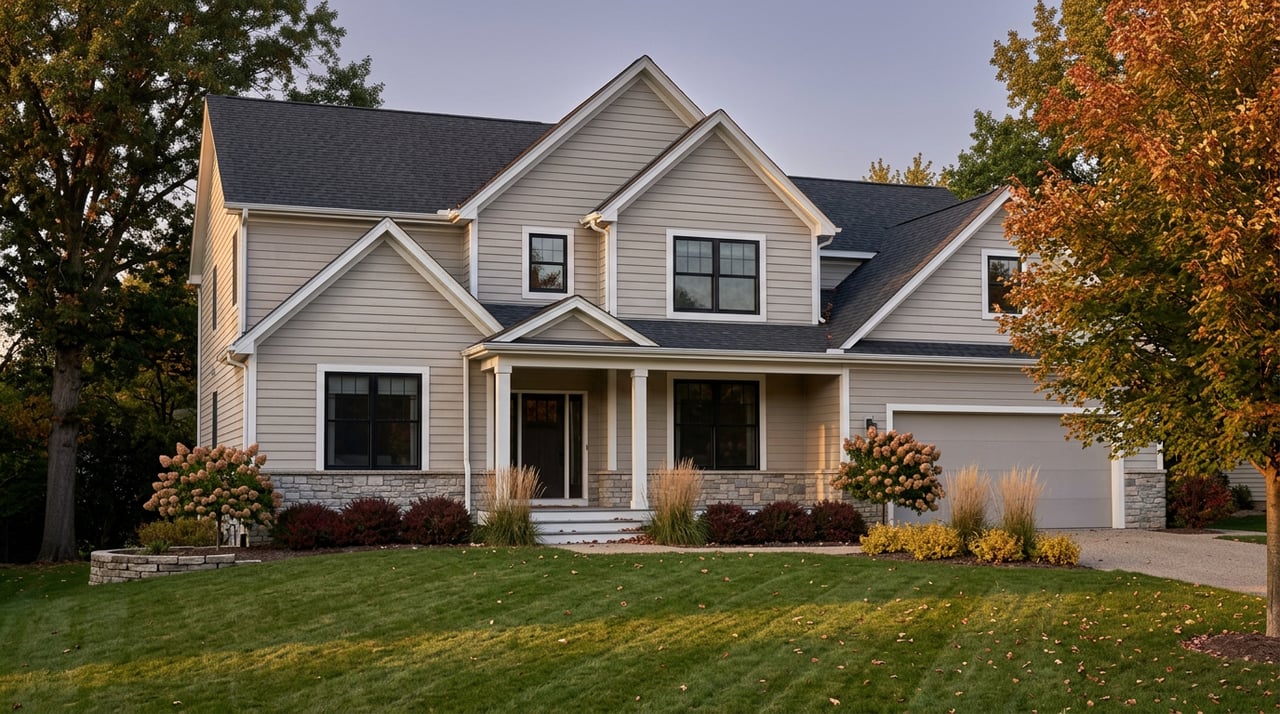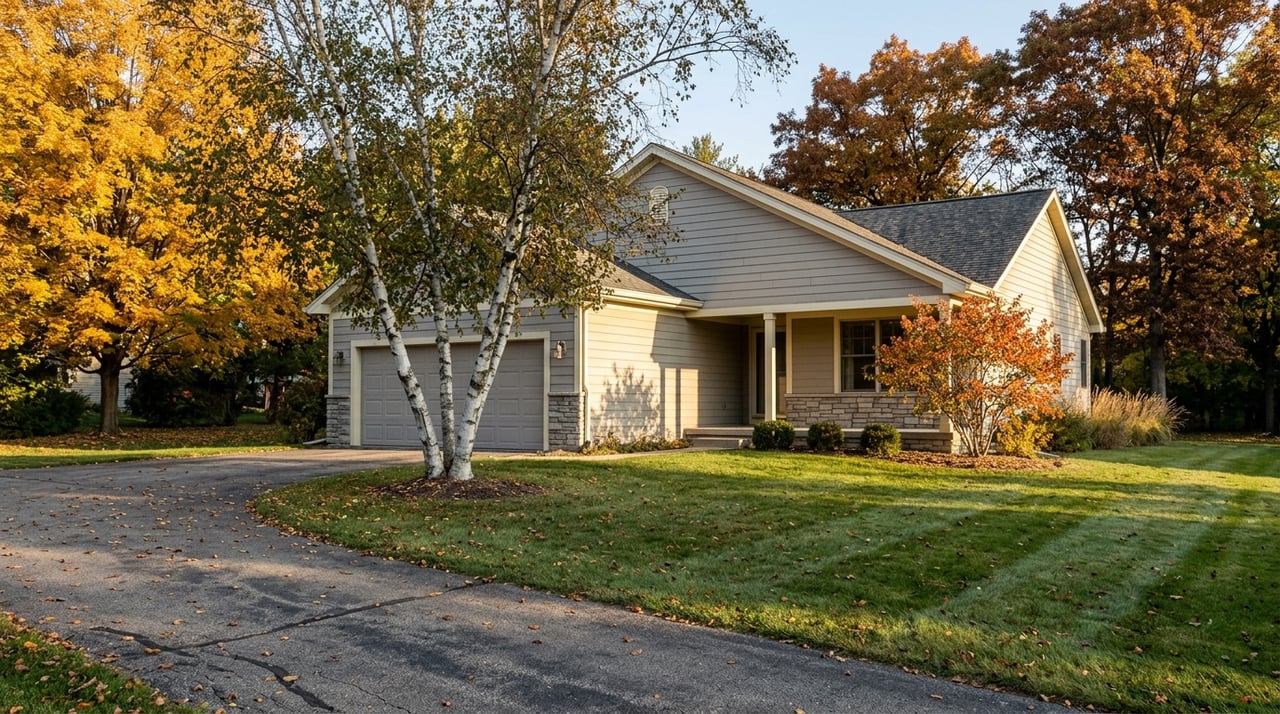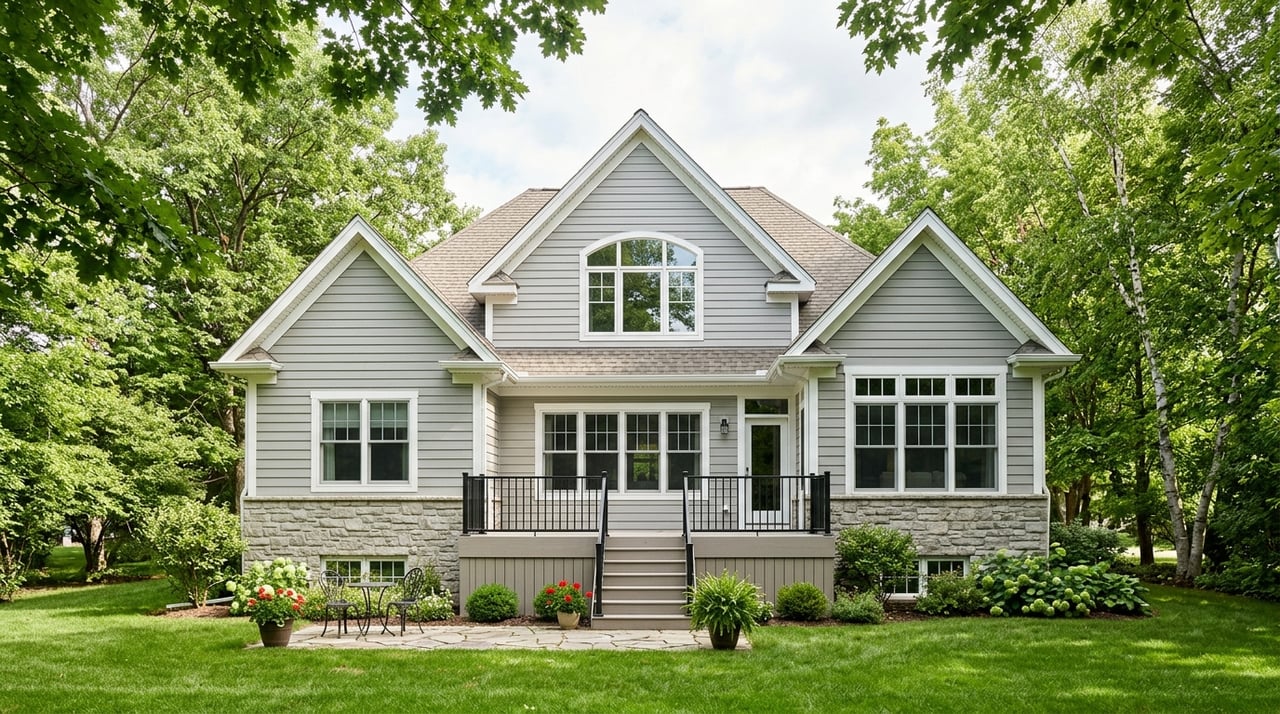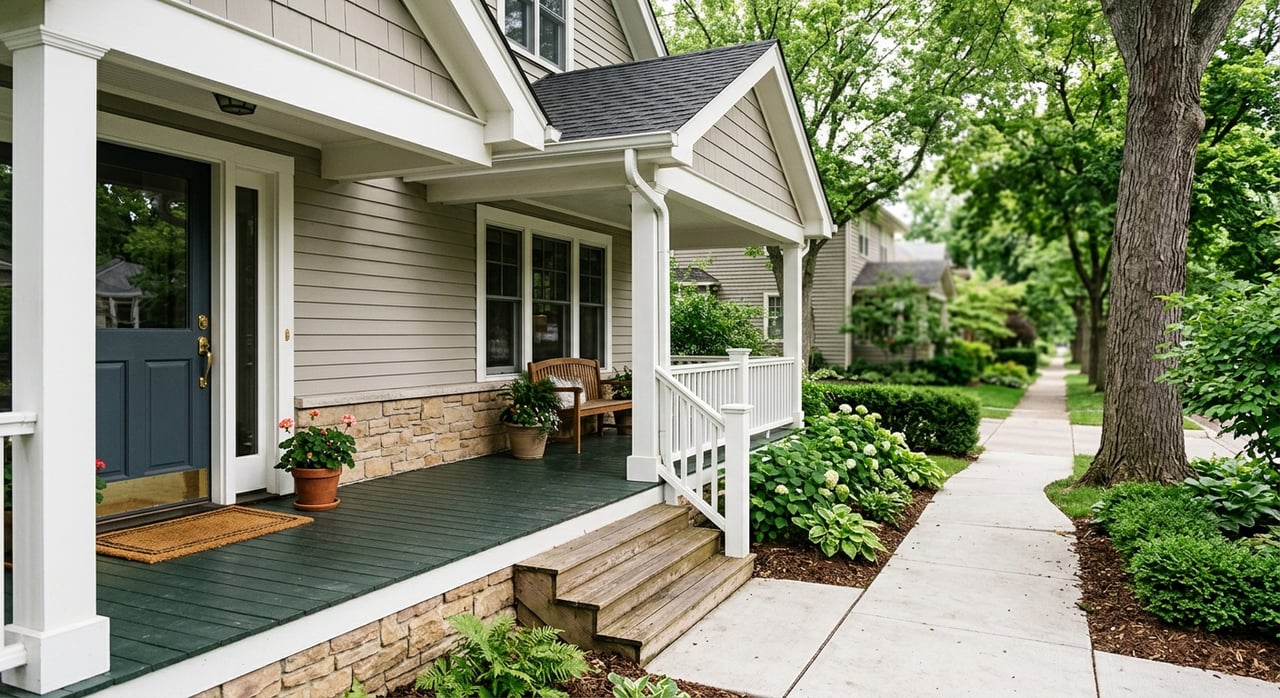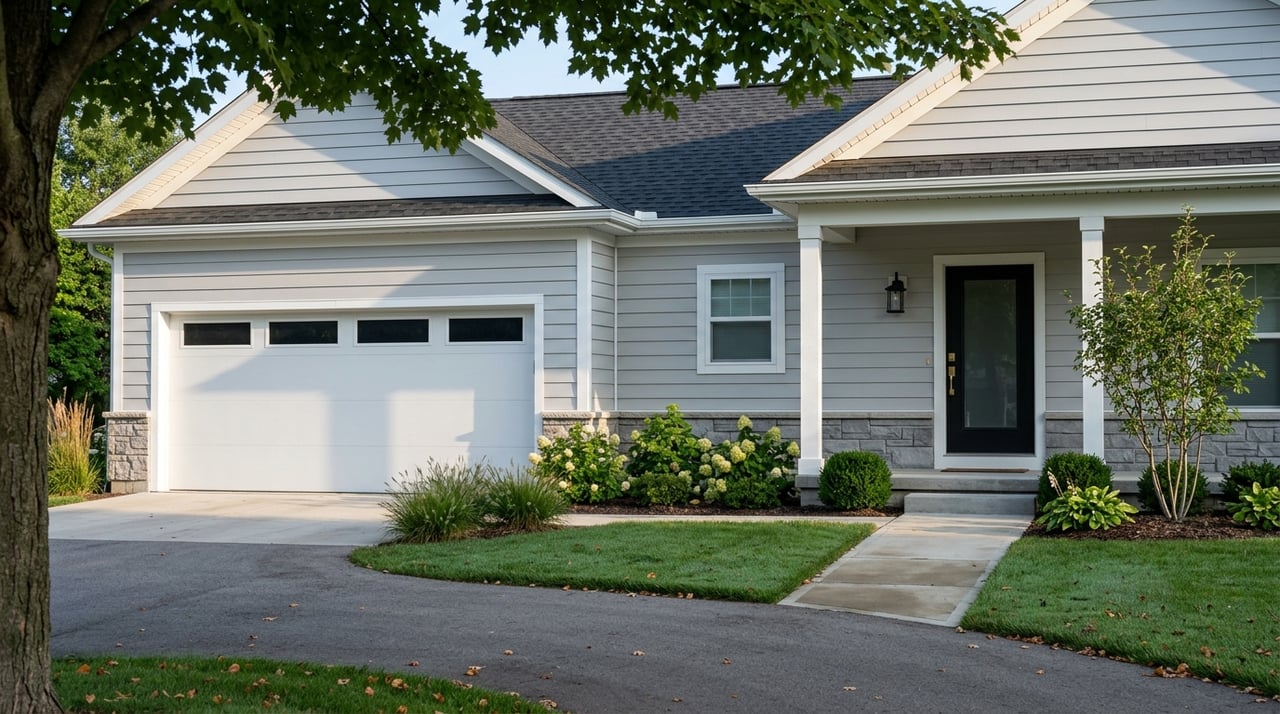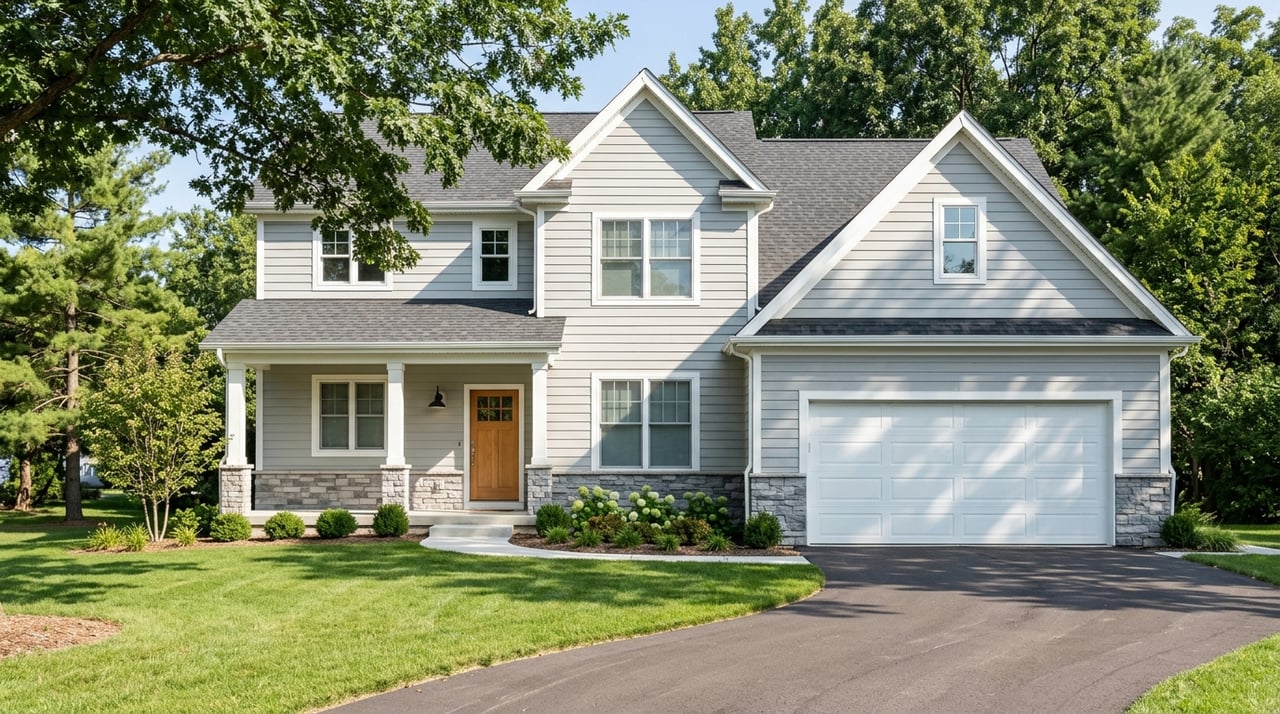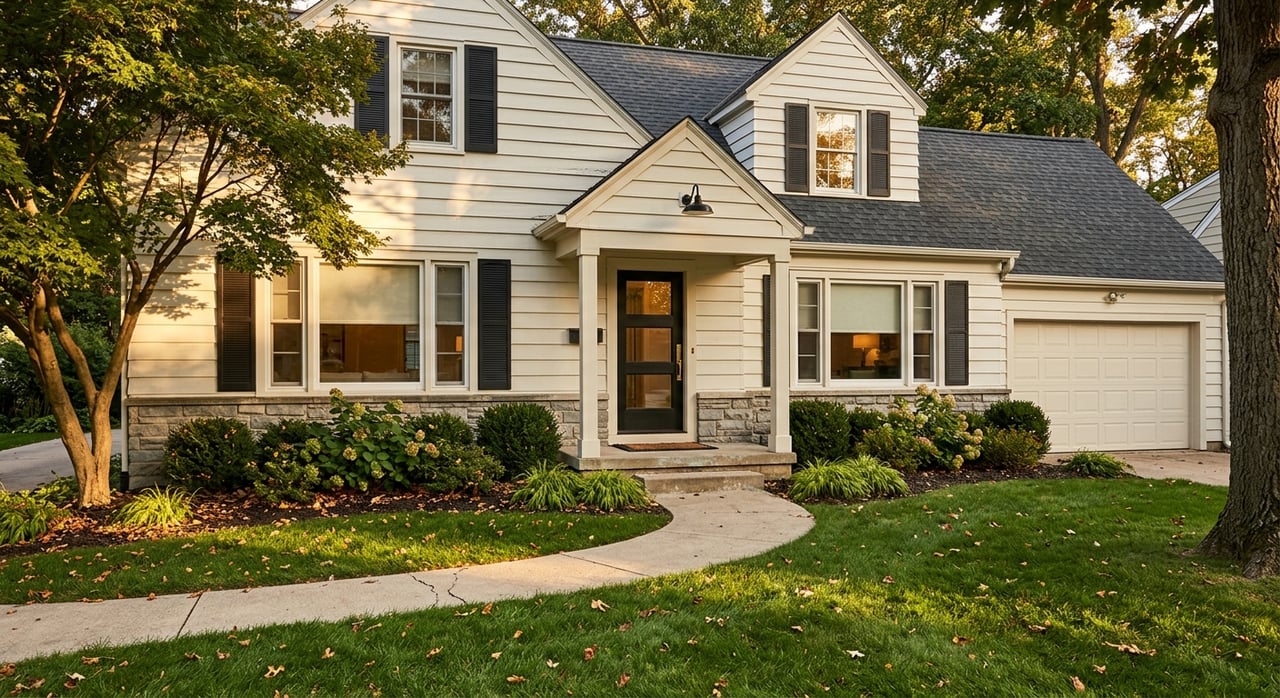
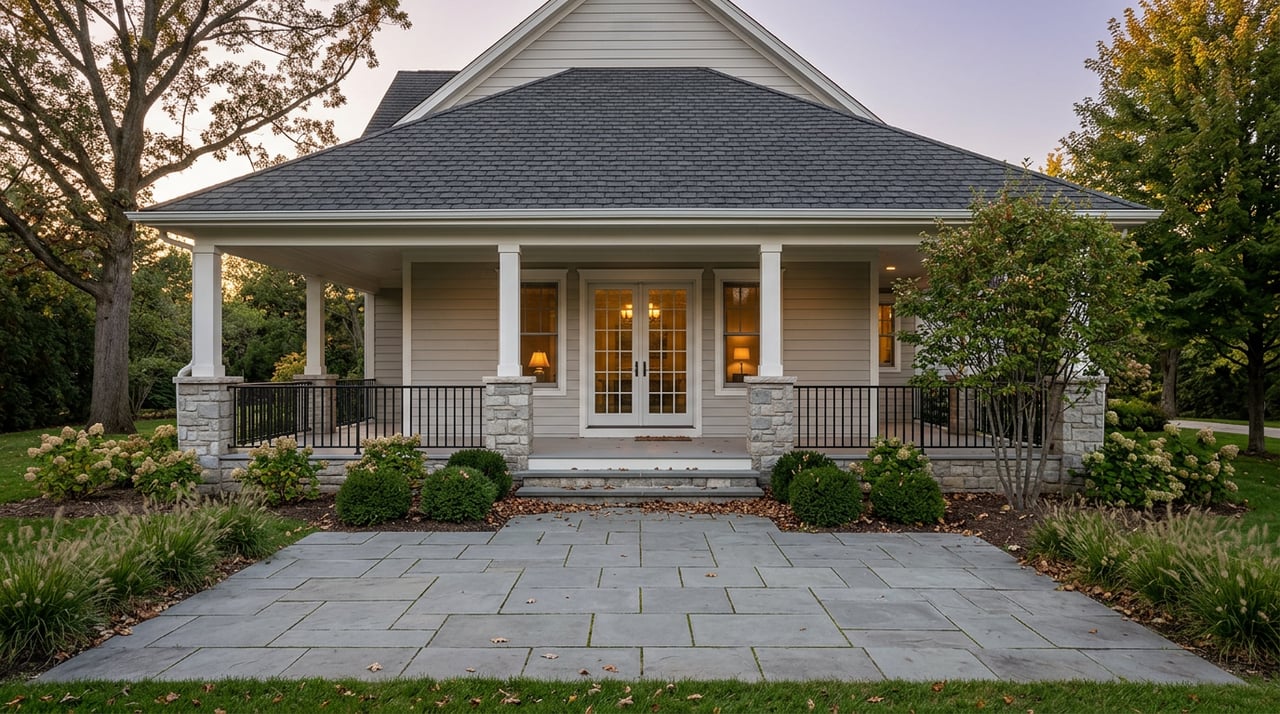
A buyer touring a home three blocks off Broadway this summer heard a rental-income claim near the track: the seller cleared close to $20,000 renting the place during the meet last year. It sounded like a built-in return, the kind of detail that makes an asking price feel justified even when the square footage alone would suggest something lower. An important distinction is that the number belongs to the seller's paperwork, not the house. According to CBS 6 Albany, under the city's current short-term rental rules, the license that produced that income does not pass to the next owner. The buyer has to start over.
That distinction matters more this year than it has in the past, because Saratoga Springs finished phasing in its short-term rental program only recently, and Saratoga County layered a second set of rules on top of it in the spring. A home that generated real money as an Airbnb last August is not the same asset, legally, as a home that will generate that money for whoever buys it next.
The License Stays With the Seller
When the City Council approved its short-term rental regulations, it built in a rule that gets little attention outside city hall: licenses are not transferable. If a short-term rental property is sold, the new owner has to apply for a fresh license before renting the home short-term again. There is no grandfathering, no automatic handoff of a proven rental track record.
That means the $15,000 to $30,000 in track-season income that shows up in some listing descriptions for homes near the Race Course, downtown Broadway, and the walkable East Side is a history, not a guarantee. A buyer who assumes they will simply pick up where the seller left off is skipping a step that the city has made mandatory.
What Reapplying Actually Costs
The application itself is not complicated, but it is not free, and the fee depends on how the buyer intends to occupy the home. As of 2026, the City of Saratoga Springs charges $100 a year for a primary-residence short-term rental license and $750 a year for a non-primary residence, a gap the commissioner of accounts has said is meant to reflect the difference between an owner renting out the home they actually live in and an investor operating a standalone rental in someone else's neighborhood.
| Requirement | Primary Residence | Non-Primary Residence |
|---|---|---|
| Annual license fee (2026) | $100 | $750 |
| Annual day cap | 150 days | 150 days |
| Property contact required | Within 50 miles | Within 50 miles |
| Transfers on sale | No | No |
Both classifications carry the same 150-day annual cap on short-term stays and the same rule that a property contact be available within 50 miles during any rental period.
The Cap Was Already Spoken For
Here is the part that changes the math on that seller's rental income figure. The 150-day limit applies to the calendar year, not to the racing season specifically, and it counts every short-term stay, not just the ones booked during the meet. A home that also picked up weekend bookings tied to Saratoga Performing Arts Center's summer concert schedule, or any other short stays throughout the year, may have already used a meaningful share of its annual allowance before the track season even started.
The six-week thoroughbred meet runs from late July through Labor Day, so it accounts for a large slice of that 150-day ceiling on its own, but not automatically all of it. A buyer evaluating a listing's rental income needs to ask how many of those days were actually the racing meet and how many came from bookings the rest of the year. If the seller was already running close to the cap, the number in the listing may represent close to the full legal ceiling for that property, not a floor a new owner could easily build on.
The upside is real. Market data on the Saratoga Springs short-term rental scene shows August running as the strongest month by a wide margin, with an average daily rate around $509 against a New York statewide average closer to $381. But that upside is bounded by law now in a way it was not a few years ago, and a buyer needs to price the bounded version, not the historical one.
A Second Bill Arrived in April
Buyers modeling this out also need to account for a cost that did not exist a year ago. Saratoga Today reported that on April 21, 2026, the Saratoga County Board of Supervisors voted unanimously to create a county-wide short-term rental registry and occupancy tax. Owners who fail to register face fines.
According to The Daily Gazette, the occupancy tax collected within city limits gets split several ways: 2 percent to the City Center, 2 percent to Discover Saratoga, 1 percent to the city, and 3 percent to the county. City officials have said the county registry will run alongside the city's existing licensing system rather than replace it, but exactly how the two will mesh administratively is still being worked out between the county and the city. For a buyer trying to underwrite next summer's rental income today, that is one more moving piece that was not part of the equation when last year's seller ran their numbers.
Questions Worth Asking Before You Bank On the Number
A rental income figure in a listing is a starting point for questions, not a finished answer. Before treating it as part of the home's value, it is worth asking the seller or their agent:
- How many of the 150 allowed days were used last year, and how many came specifically from the racing meet versus other bookings
- Whether the current license is classified as primary or non-primary residence, and whether that classification would carry over to your intended use
- Whether the seller has registered with the new county program, and if not, what that means for continuity once the systems align
None of these questions are complicated to ask. They are just easy to skip when a strong income number is doing a lot of work in a listing description.
The Premium Has Flipped Before
Saratoga Springs has a long memory when it comes to how the track shapes its real estate, and that memory includes at least one full reversal. For much of the city's history, the west side of town commanded higher prices specifically because it sat farther from the racetrack, back when distance from the Race Course meant distance from the smell that came with it. That logic has inverted completely. Fifth Avenue, close to the practice track, is now one of the more sought-after streets in the city, to the point where buyers routinely purchase an existing ranch home for close to a million dollars with the intention of tearing it down and building new.
The point is not that today's rental-income premium will reverse the same way. It is that the premium tied to proximity to the track has already changed direction once in this city's history, and the rules governing how that proximity gets monetized are still being written in real time. A buyer paying for rental potential today is paying for a number that exists inside a regulatory structure less than two years old, one that a county vote in April 2026 has already modified once.
What This Means for an Offer
None of this means a home near the track, downtown, or the East Side is a bad buy for someone interested in short-term rental income. It means the income line in the listing should be treated the way an appraiser treats a comparable sale: informative, but not a substitute for verifying the property's own facts. A pricing strategy that accounts for the license application timeline, the day-count math, and the new county fees will hold up better than one built on last year's headline number.
This is exactly the kind of pricing question worth working through with someone who tracks these rules as they change, not after the fact. If you are weighing a purchase near Saratoga Springs' track-season rental corridor, Julie Gold Homes can walk through what a specific property's rental history actually supports under today's licensing structure. Request a free home valuation and strategy call before you build an offer around a number that may not be yours to keep.
A Few Questions Buyers Ask
Can the 150 days all be used during the racing meet? No. The meet itself typically accounts for a large share of that total on its own, but not all 150 days.
This article is general information, not legal, tax or financial advice. Consult a qualified professional about your situation.