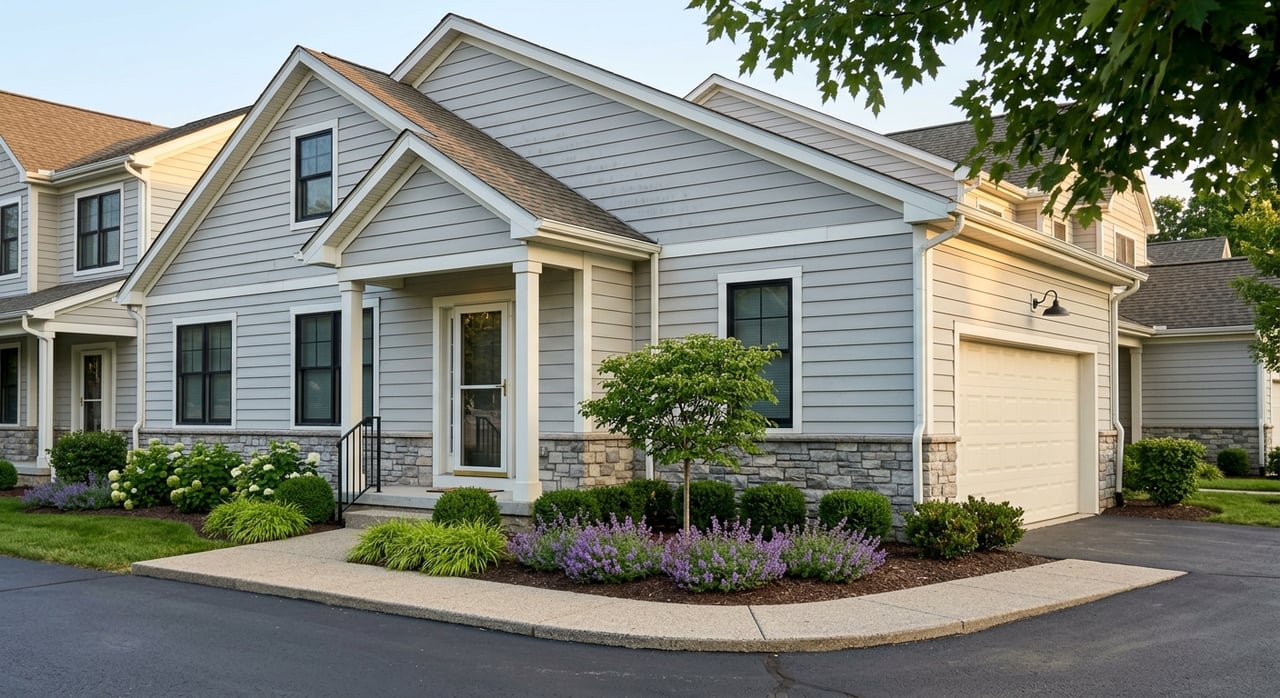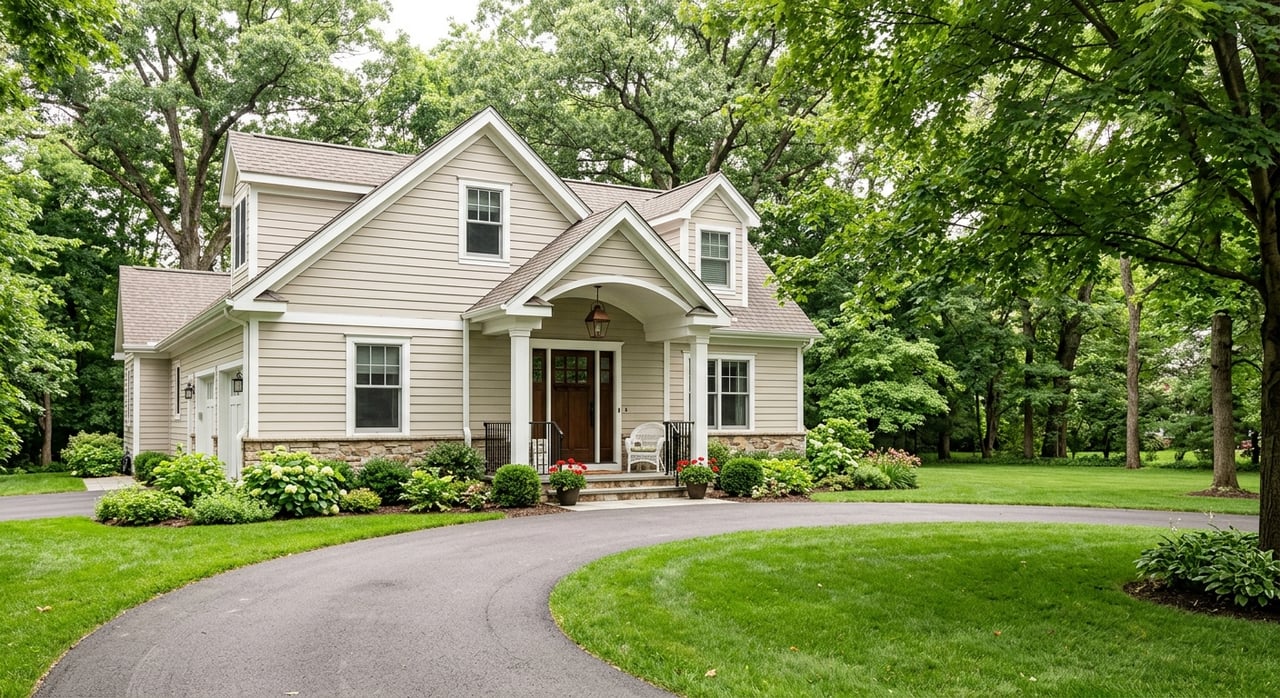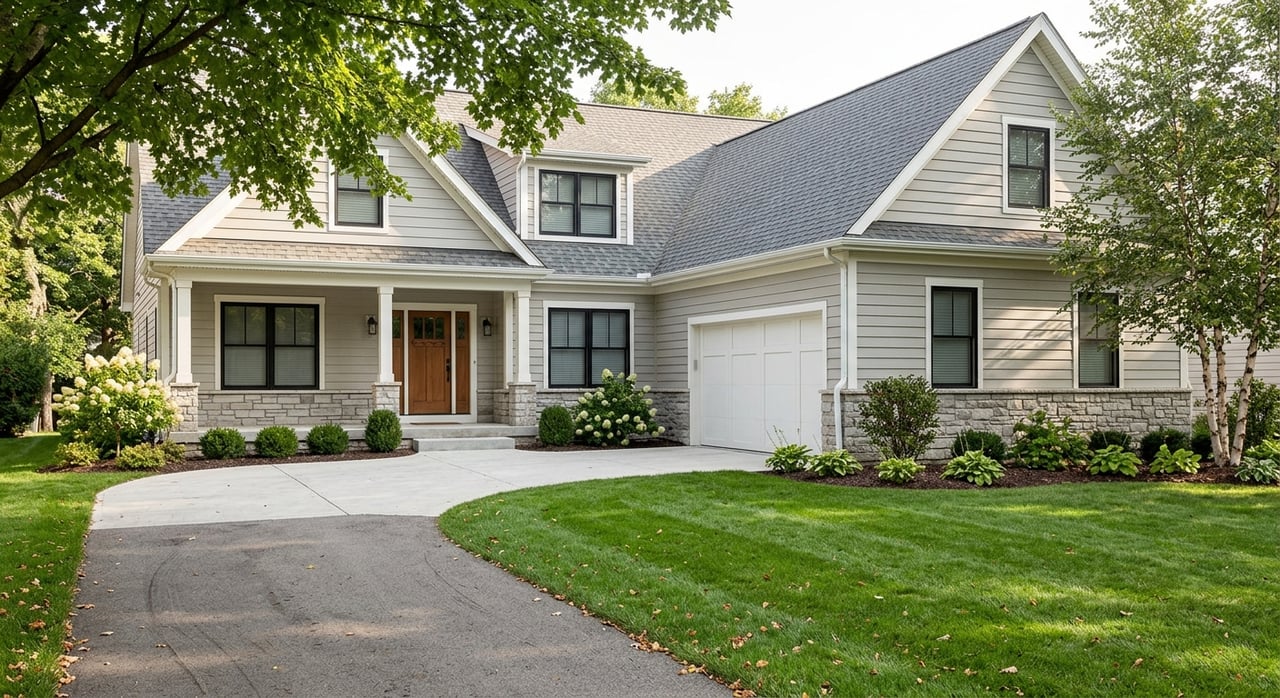
Thinking about relocating to Saratoga Springs for your next chapter? Whether you are moving for a job, planning retirement, or trying to balance both lifestyle and practicality, this market can feel exciting and a little complex at the same time. The good news is that with the right local insight, you can better understand housing costs, commute patterns, neighborhood options, and everyday expenses before you make your move. Let’s dive in.
Why Saratoga Springs Draws Relocating Buyers
Saratoga Springs offers a mix of historic character, regional access, and everyday convenience that appeals to both working professionals and retirees. It is also part of a broader Saratoga County economy that is not tied to just one employer or one industry.
According to U.S. Census data for Saratoga Springs, the city has a median owner-occupied home value of $478,100, median gross rent of $1,470, and a mean travel time to work of 27.2 minutes. At the same time, the local housing market remains relatively tight. The research provided for this post notes that in February 2026, the city had a median sales price of $875,000, 68 homes for sale, and 3.3 months of inventory.
That means if you are planning a move within the next 6 to 18 months, it helps to start early. Watching the market over time can give you a better feel for pricing, competition, and the types of homes that fit your goals.
Work Opportunities in Saratoga County
If you are relocating for work, Saratoga County offers a more diversified job base than many smaller cities. County planning materials identify major employers such as GlobalFoundries, Saratoga Hospital, Saratoga Springs City School District, Saratoga County, Skidmore College, State Farm, and Momentive.
The region has also seen growth tied to healthcare, life sciences, and advanced manufacturing. Saratoga County materials referenced in the research report also point to New York State agency hiring, while recent state development announcements include a 1,000-job Regeneron expansion in Saratoga Springs and a major GlobalFoundries expansion in nearby Malta.
For you, that can translate into more flexibility. If your work is in healthcare, education, government, semiconductors, or related fields, Saratoga Springs may offer access to several employment centers instead of a single-plant local economy.
Retirement Appeal Beyond the Postcard Image
Saratoga Springs is not only a place people move for a job. It is also a practical option for retirement, especially if you want a smaller city setting with services, recreation, and regional connectivity.
The city supports older adults through the Adult and Senior Center at the YMCA on West Avenue, where adults 50 and over can join for an annual fee and participate in social, educational, and activity programs. Saratoga County also offers aging-related support services that include transportation, meals, case management, in-home services, and referrals.
That combination matters if you are thinking long term. It can support aging in place while also giving you access to local services and a stable economy supported by government and healthcare sectors.
Housing Costs to Expect
One of the biggest adjustments for relocating buyers is understanding how Saratoga Springs compares with nearby towns. The city often carries a pricing premium, especially in close-in neighborhoods and historic areas.
Within Saratoga Springs, the market is generally more expensive than some nearby alternatives. Census data in the research report shows median owner-occupied home values of $402,000 in Wilton and $365,300 in Malta, compared with $478,100 in Saratoga Springs.
If you are trying to protect your budget while staying close to the city, those nearby towns may be worth considering. They can offer a different mix of home prices, lot sizes, and commute patterns without putting you far from Saratoga Springs amenities.
Neighborhoods to Consider in Saratoga Springs
Where you land in Saratoga Springs depends a lot on how you want to live day to day. Some buyers prioritize walkability and historic character, while others want lower maintenance, easier commuting, or more value for the price.
Downtown and the East Side
If you want to be near restaurants, events, and Saratoga Springs’ central street grid, the downtown area and East Side often stand out. The city’s historic districts page highlights Broadway and nearby neighborhoods for their architectural significance.
The local neighborhood guide cited in the research describes the East Side as more traditional, with colonial- and mission-style homes and larger yards. It also notes that downtown condos and townhouses can appeal to buyers looking for less maintenance and greater walkability.
West Side
The West Side offers a different feel. According to the local neighborhood guide in the research report, this area tends to have smaller lawns, cottages, and multi-family homes, with a somewhat denser layout than the East Side.
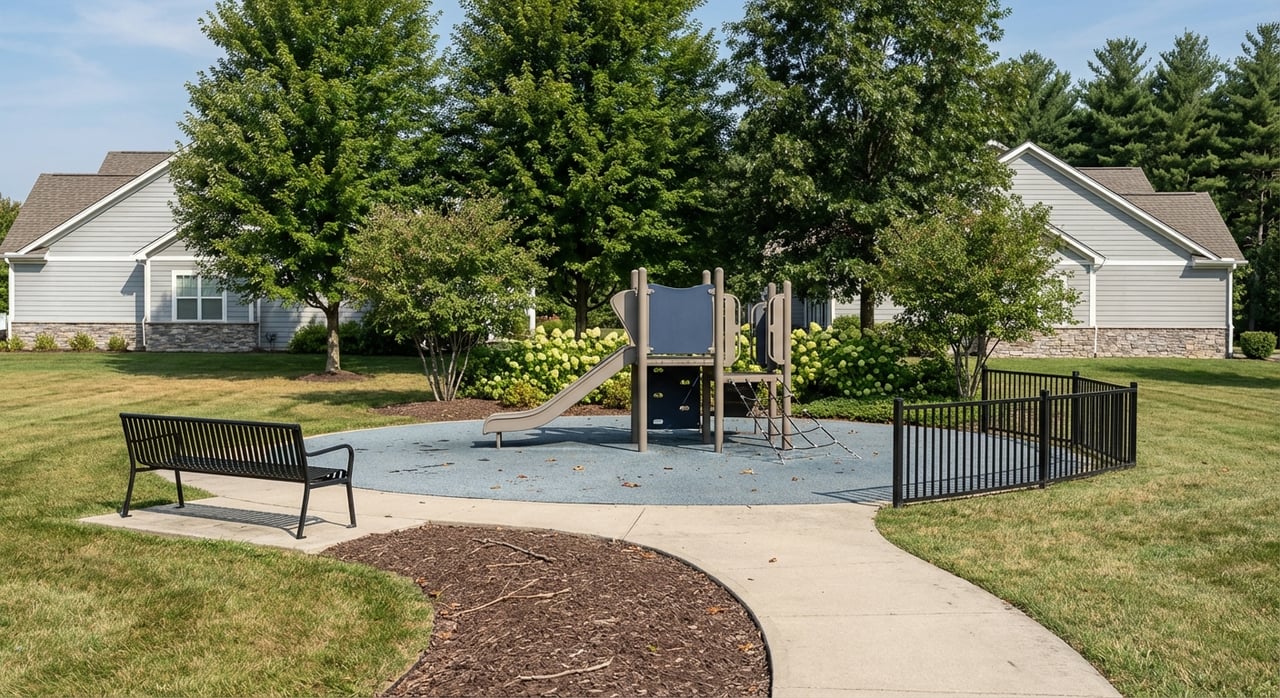
This area also connects well to the city’s broader recreation network. The city’s facilities page shows public amenities that include parks, playgrounds, walking and jogging paths, courts, rinks, and recreation spaces throughout the community.
North Broadway and Union Avenue
If historic character is a top priority, North Broadway and Union Avenue are two of the city’s classic premium areas. The neighborhood guide referenced in the research describes these streets as mansion-oriented with limited new construction.
These areas can be especially appealing if you value architectural detail and an established setting. Inventory can also be more limited, so buyers interested in these neighborhoods usually benefit from watching listings closely and planning ahead.
Nearby Alternatives: Wilton and Malta
Not every relocating buyer needs to live inside Saratoga Springs city limits. For some, the better fit may be just outside the city, especially if budget, lot size, or commute is driving the decision.
The research report notes that Wilton is a large residential community just outside Saratoga Springs, while Malta is another common option for buyers comparing the area. Census figures also show slightly shorter average commute times in both towns: 23.8 minutes in Wilton and 24.8 minutes in Malta, compared with 27.2 minutes in Saratoga Springs.
If you work in Malta, elsewhere in Saratoga County, or across the broader Capital Region, expanding your search can create more choices. It may also help you find a property type or price point that is harder to secure inside the city.
Commuting and Regional Access
For work relocations, transportation matters just as much as the home itself. Saratoga Springs benefits from its position within a broader regional network.
According to NYSDOT information, I-87 runs through the city area, supporting access to nearby employment centers and regional travel. Saratoga Springs also has an intermodal train station served by CDTA bus transit and Amtrak service.
The research report also notes that CDTA added a weekday Glens Falls to Saratoga Springs route along Route 9 and I-87 in 2025. If you expect to commute within the Capital Region or toward northern Saratoga County, that added transit connection may be useful.
Taxes and Monthly Budget Planning
Before you relocate, it is smart to look beyond the purchase price. Property taxes, school taxes, utilities, and day-to-day expenses can all shape your monthly budget.
The city assessor lists city tax rates per $1,000 of assessed valuation at $7.0973 inside district and $7.0285 outside district, plus a county tax rate of $4.562822. The city also notes that municipal taxes are due quarterly on March 1, June 1, September 1, and December 1 through the City Assessor page.
School taxes are another important variable. The Saratoga Springs City School District tax information page shows that for 2025-26, the school tax rate was 19.619803 for the City of Saratoga Springs, compared with 7.934032 in Malta and 13.280334 in Wilton.
For everyday purchases, New York’s sales tax table lists Saratoga Springs city and Saratoga County outside the city at 7%. On the utility side, the research report notes that the city handles water and sewer billing, sewer charges are based on actual water consumption, and National Grid recommends setting up service 5 to 7 days before your move.
Lifestyle and Recreation for Daily Living
Saratoga Springs is often known for its atmosphere, but the daily lifestyle details matter more once you live here. For many buyers and retirees, public recreation and outdoor access are part of what makes the area feel livable year-round.
The city’s recreation facilities include parks, playgrounds, ice rinks, fields, courts, walking and jogging paths, and a recreation center. The research report also highlights the Greenbelt Trail system, which is planned as a 24-mile shared-use loop through Saratoga Springs, Wilton, and Greenfield.
If you are downsizing or looking for a lower-maintenance property, that kind of community infrastructure can be a real advantage. You may be able to enjoy an active lifestyle without needing the upkeep of a very large property.
How to Plan a Move 6 to 18 Months Out
If your relocation timeline is not immediate, you have an opportunity to prepare in a more strategic way. That can be especially helpful in a market with limited inventory and neighborhood-by-neighborhood price differences.
A smart planning approach often looks like this:
- Track listings and pricing trends early
- Compare Saratoga Springs with nearby towns like Wilton and Malta
- Estimate monthly costs beyond the mortgage, including taxes and utilities
- Narrow your neighborhood priorities based on commute, maintenance, and lifestyle
- Schedule in-person visits once your target areas become clearer
Julie Gold Homes offers tools that can support this kind of planning, including a VIP Home Finder, property search tools, home valuations, and a mortgage calculator. For out-of-area buyers, that can make it easier to screen options remotely and build a clearer plan before you travel.
Local Guidance Matters in a Competitive Market
Relocating is not just about finding a house. It is about choosing a lifestyle, understanding local costs, and making a move that fits where you are in life.
If you are relocating to Saratoga Springs for work or retirement, having a local guide can help you compare neighborhoods, think through budget tradeoffs, and move forward with more confidence. When you are ready to start planning, connect with Julie Ann Gold for thoughtful, local support tailored to your move.
FAQs
What is the housing market like for relocating to Saratoga Springs?
- Saratoga Springs remains relatively supply-constrained, and the research report notes a February 2026 median sales price of $875,000 with 3.3 months of inventory, so early planning can help you prepare.
What nearby towns should buyers compare with Saratoga Springs?
- Wilton and Malta are two common alternatives mentioned in the research, and both show lower median owner-occupied home values than Saratoga Springs based on Census data.
What taxes should buyers review before moving to Saratoga Springs?
- You should review city, county, and school taxes, since the research report shows that school tax rates can vary significantly between Saratoga Springs, Malta, and Wilton.
What makes Saratoga Springs practical for retirement?
- The area offers senior programming, county aging support services, recreation amenities, and access to healthcare and government-supported services, all of which can support long-term living.
What transportation options are available in Saratoga Springs for commuters?
- Saratoga Springs has access to I-87, an intermodal train station with Amtrak and CDTA service, and regional transit connections that can help with commuting across the area.