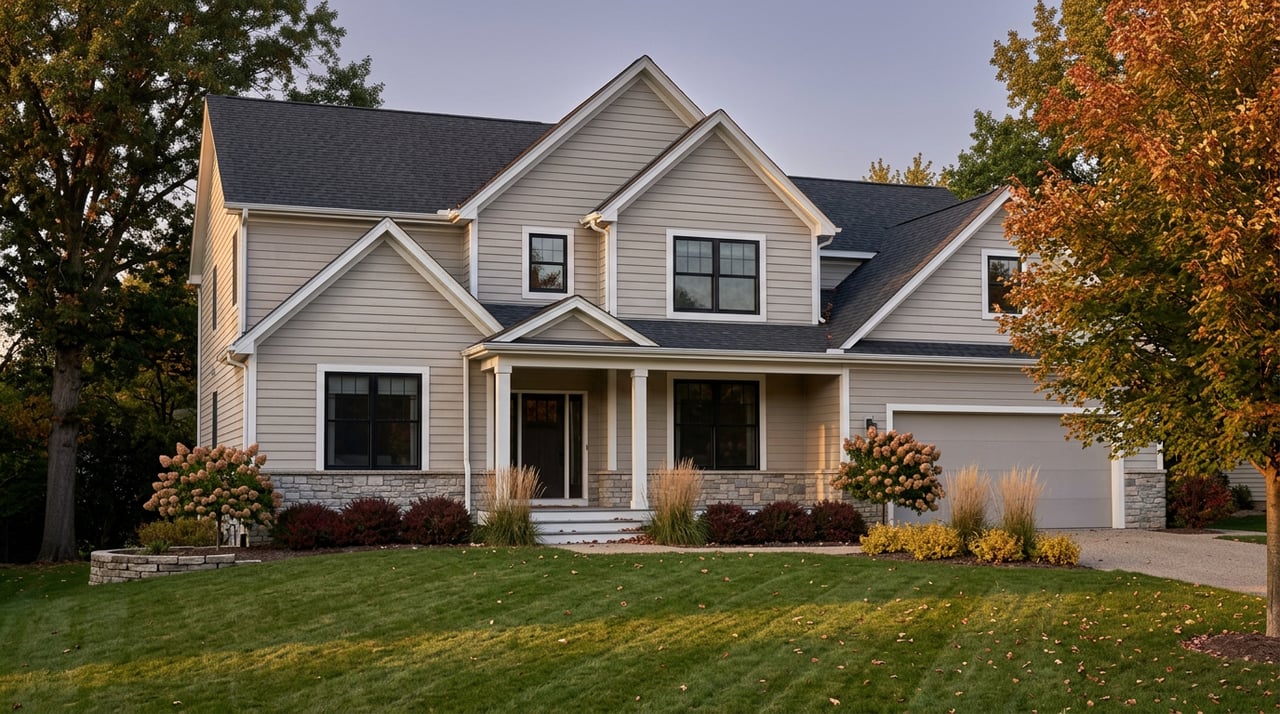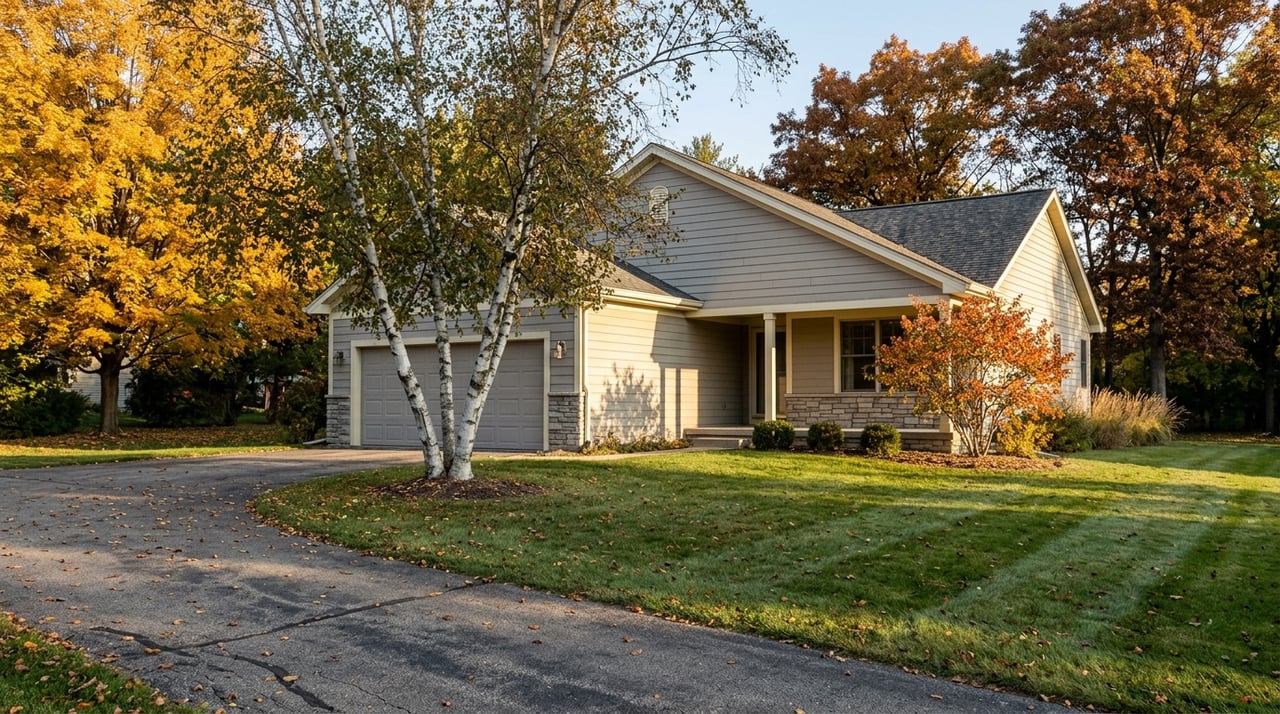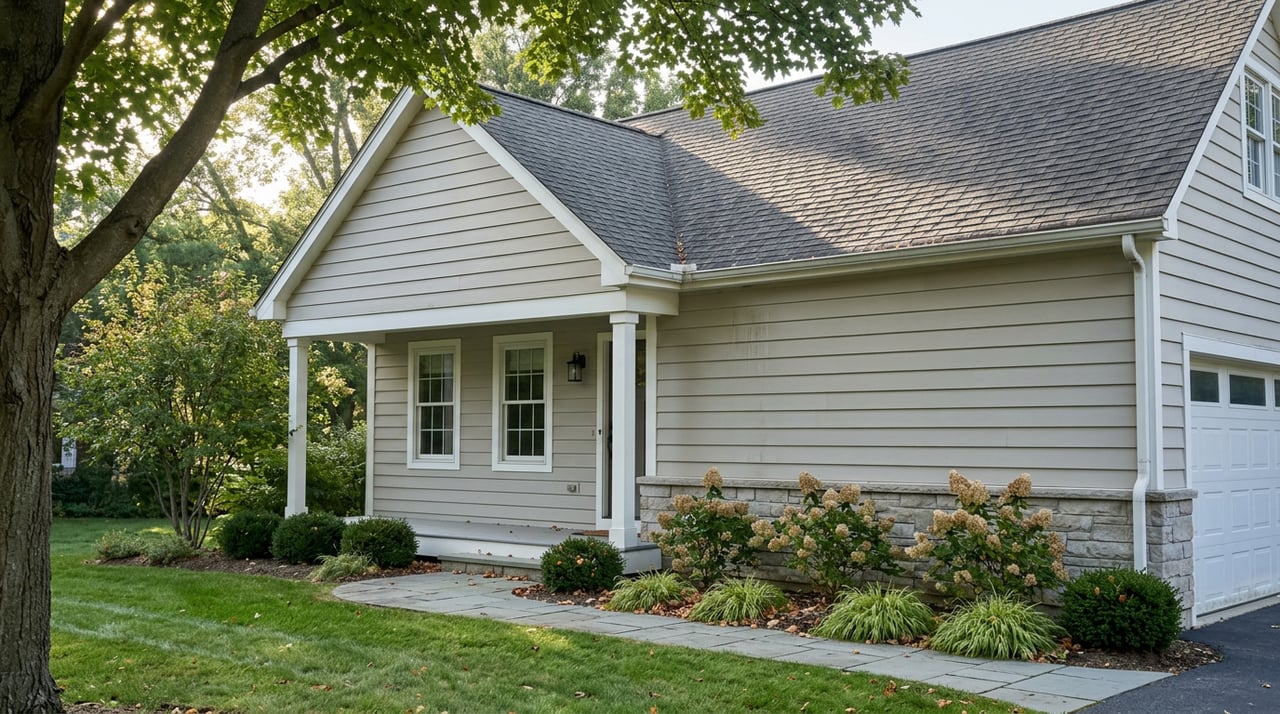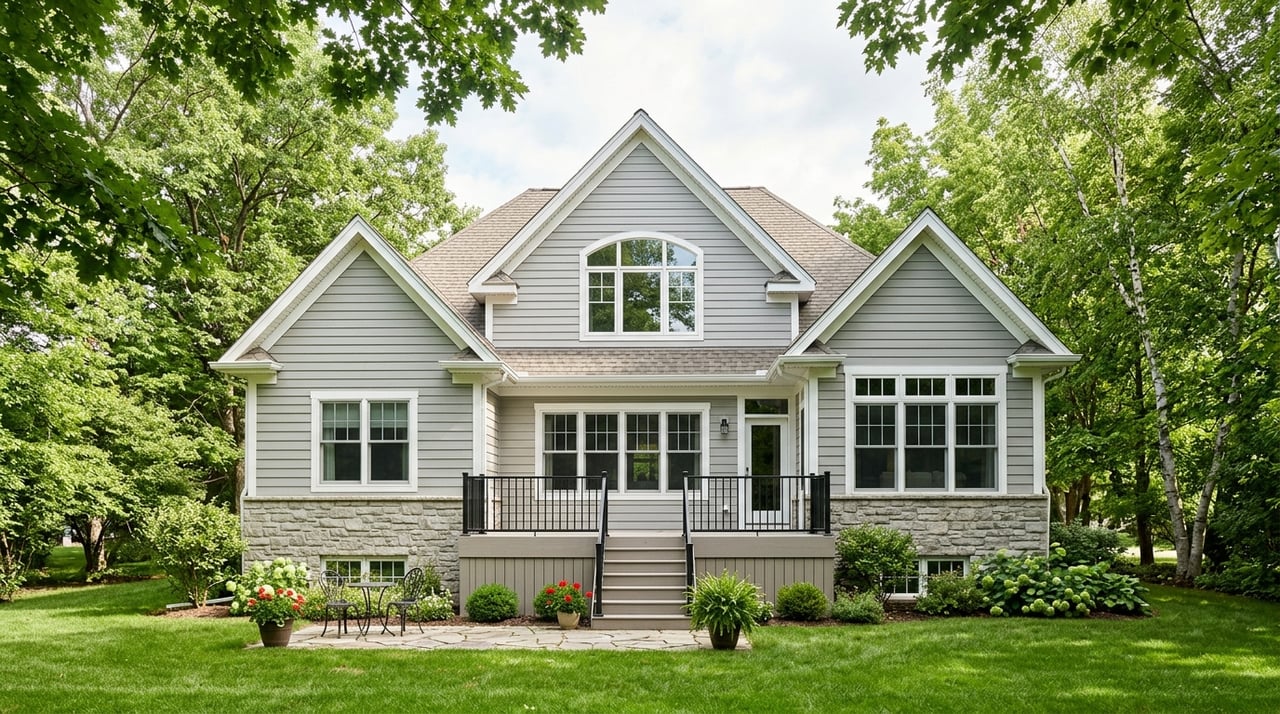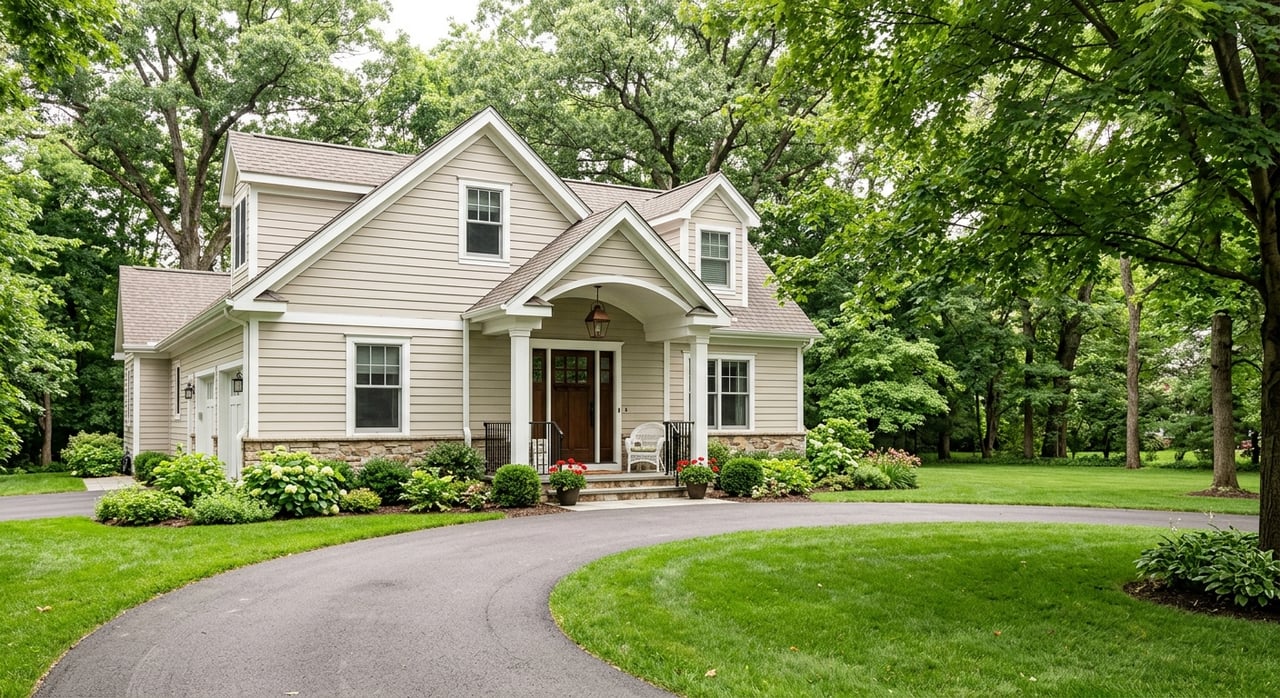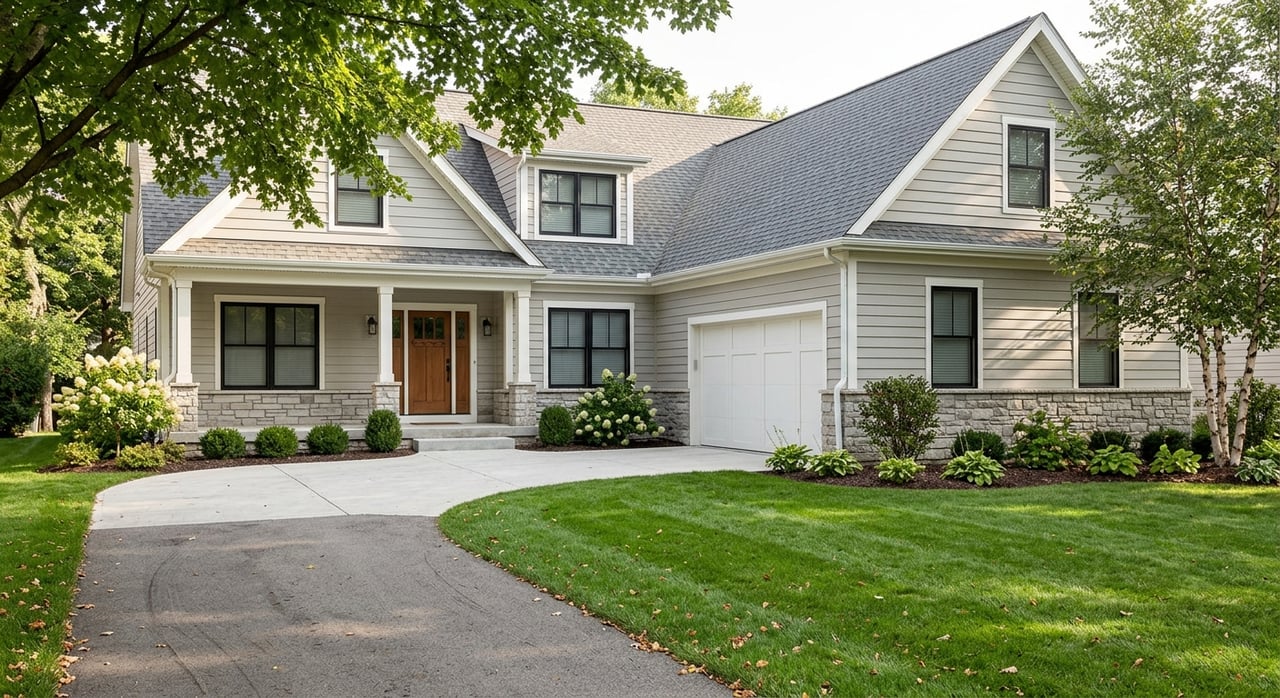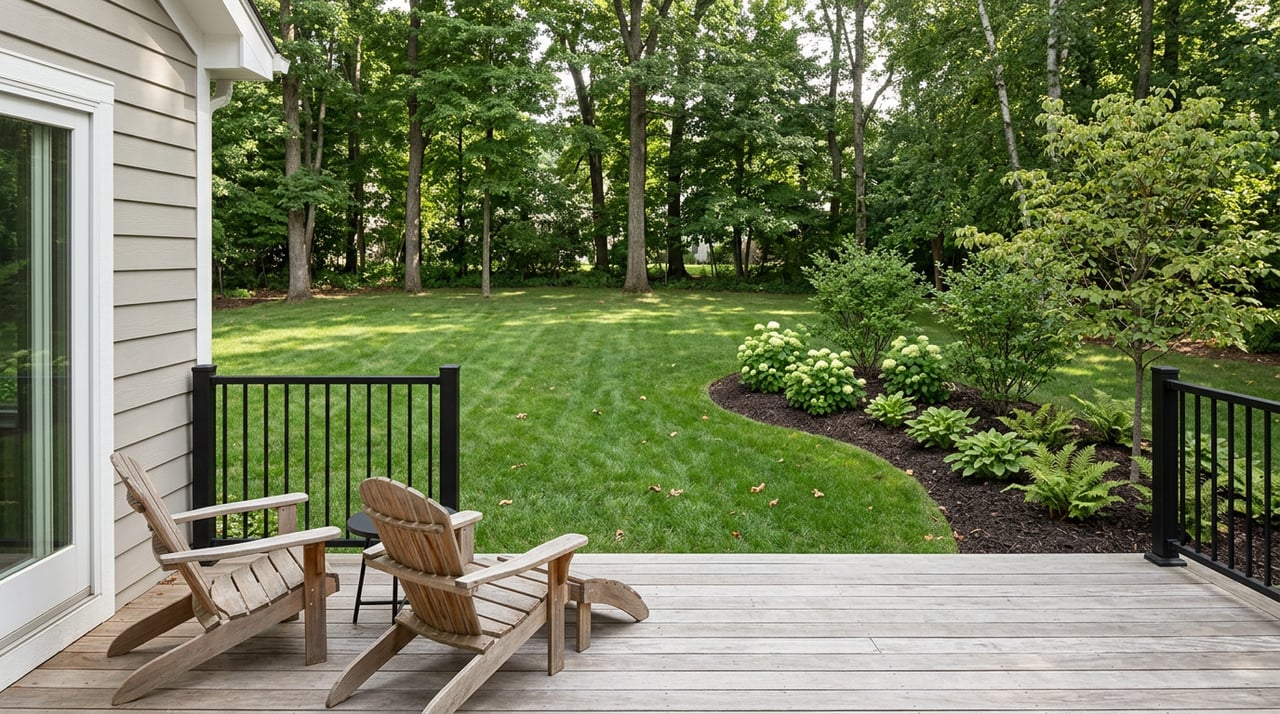
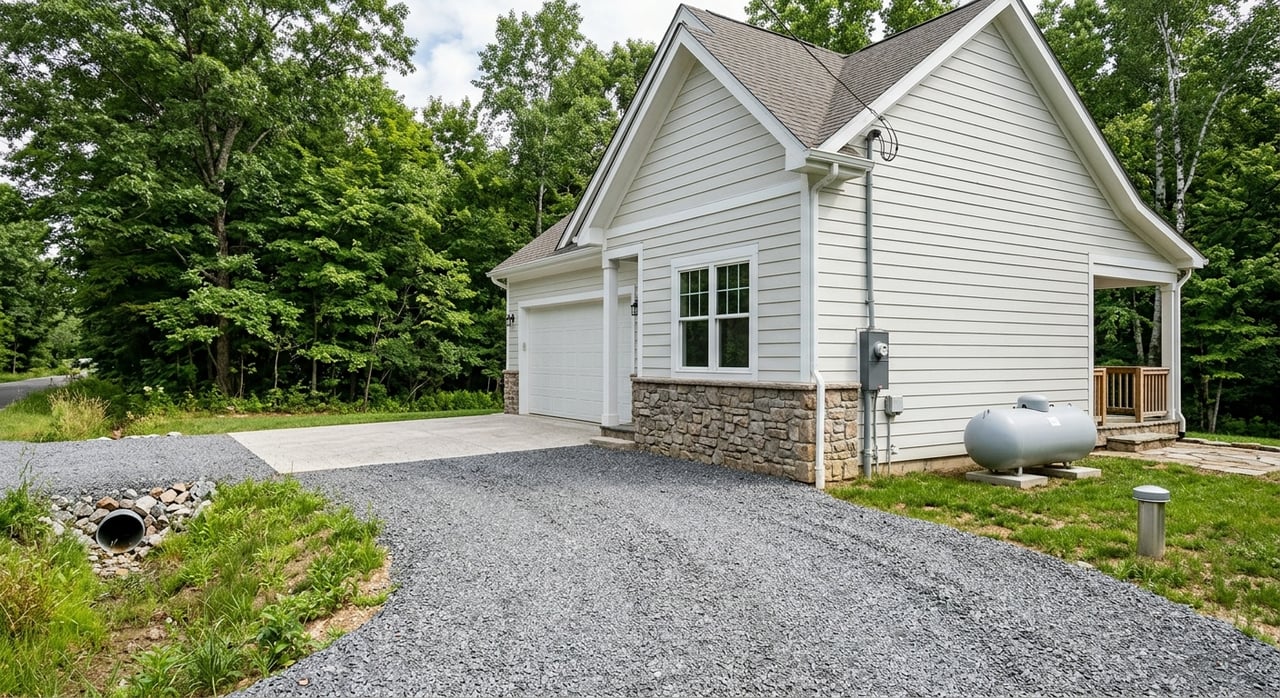
If you are dreaming about open space, a quiet setting, or room to build in Milton, NY, it helps to know this market works differently than a typical neighborhood home search. In this part of Ulster County, the land itself often matters just as much as the house, and sometimes more. When you understand road access, septic feasibility, water service, wetlands, and zoning early, you can buy with far more confidence. Let’s dive in.
Why Milton Buying Is Different
Milton is a hamlet in the Town of Marlborough, and it is not primarily a subdivision-style market. The town’s planning framework points new residential development toward established hamlet areas that are generally served by existing sewer and water infrastructure. In those hamlet residential areas, typical lot sizes are often between 10,000 and 20,000 square feet, depending on utility access.
Outside those more established areas, country homes and land purchases often require a closer look at the parcel itself. That is especially true in rural agricultural areas, where zoning is intended to support agriculture, preserve resources, and encourage rural life and country living. For you as a buyer, that means the setting may be beautiful, but the due diligence is more detailed.
Focus on the Parcel First
When you buy in a more rural part of Milton, the key question is not just whether you like the home or the view. The bigger question is whether the site works for your plans. A parcel may need its own water source, septic approval, legal access, and a clear understanding of road maintenance before it functions well as a homesite.
Ulster County’s parcel viewer reflects this reality. It brings together zoning, FEMA flood mapping, freshwater wetlands, National Wetlands Inventory, aquifers, soils, and hydric soils in one place. That makes it a helpful early screening tool when you want to understand whether a property may have constraints.
Road Access Matters More Than Many Buyers Expect
In Milton, road responsibility is a major part of smart due diligence. The Town of Marlborough Highway Department maintains town roads, New York State maintains major state routes like Route 9W and Route 44-55, and Ulster County maintains certain county roads such as Milton Turnpike, Lattintown Road, Plattekill Road, Western Avenue, Milton Cross Road, and Dock Road.
That means you should confirm more than just where the driveway sits. You also want to know who maintains the road leading to the property. A paved approach can look straightforward at first glance, but long-term maintenance responsibility can affect cost, access, and expectations.
Private Roads Need Extra Attention
If a parcel is served by a private road, the town does not maintain it, improve it, or provide services for it. The cost responsibility belongs to the owners. The town also requires a recorded private-road maintenance agreement in Ulster County before a subdivision lot is transferred, and required access easements must be reviewed and approved.
Private road construction must also be completed before building permits are issued. If you are buying land or a country home on a private road, ask to review the maintenance agreement and confirm legal ingress and egress early in the process. This is one of those details that is much easier to sort out before you close than after.
Sewer, Septic, and Water Can Shape Your Budget
Utility questions in Milton can be more involved than they are in a conventional subdivision. If public sewer is not available, a property must use a private sewage disposal system that complies with Ulster County Department of Health rules. The owner is responsible for operating and maintaining that system.
If public sewer later becomes available, the local code requires the private system to be cleaned out, abandoned, and filled, and the property must connect to the public sewer. That is an important long-term consideration if you are comparing homes with different utility setups.
Septic Approval Takes Time
For new or replacement septic systems in Ulster County, plans must be prepared by a New York licensed professional engineer or registered architect. The county process includes a soil-profile site visit, a percolation test, and review of engineering drawings. On smaller residential properties, the county says the process can take up to six months.
Most townships in the county require approved onsite wastewater treatment system plans before issuing a building permit. If you are buying raw land with the goal of building, this timeline should be part of your planning from day one.
Public Water Is Not Always Simple
Even when town water is available, buyers should not assume the setup is low-cost or low-effort. The Town of Marlborough notes that water service installation can involve separate tapping, inspection, and road-cut fees. Those costs can affect your overall project budget.
If the property uses a private well instead, plan for ongoing maintenance and testing. The New York State Department of Health advises private well owners to test water at least once a year for bacteria and every three to five years for other contaminants, and to test again after flooding or other events that could affect the well.
Zoning and Subdivision Status Come First
One of the most important questions you can ask is simple: Can I build here? In Milton, the answer depends on zoning, district rules, lot size, subdivision status, flood and wetland constraints, septic feasibility, and legal access.
If you are buying raw land for a future home, the Town of Marlborough subdivision process matters. The local code outlines a sequence that starts with a preapplication meeting, then a sketch plat, and then a preliminary plat. The proposal should also be discussed with the County Health Department because that office is responsible for water supply and sewage disposal adequacy.
The preliminary plat review looks at items such as street layout, topography, water supply, sewage disposal, drainage, lot sizes, adjoining land, and consistency with the town comprehensive plan and zoning. In plain terms, that means your idea for the land needs to work on paper and on the ground.
Flood and Wetlands Review Should Happen Early
Environmental review is another area where early attention pays off. Ulster County’s parcel viewer includes Official FEMA Maps, FEMA flood hazards, freshwater wetlands, and National Wetlands Inventory layers. These tools are helpful for screening properties before you get too far into a deal.
At the same time, New York State says wetland maps are informational and should not replace a site-specific field review when a parcel appears constrained. If a lot looks like it may be affected by wetlands, floodplain issues, or hydric soils, that is the moment to slow down and investigate further.
Agriculture Is Part of the Local Context
Milton’s rural character is closely tied to farmland and agricultural use. The town’s planning documents emphasize farmland preservation, and the local rural agricultural zoning district is designed to support both agriculture and country living. That gives the area much of its charm, but it also comes with practical implications for buyers.
If a parcel is partly or fully within an agricultural district, New York law requires a disclosure explaining that farming activities may create noise, dust, and odors. The notice also explains that agricultural district location may affect access to water or sewer services in some cases. Knowing this ahead of time helps you evaluate the property with clear expectations.
Build the Right Buyer Team
A Milton land or country-home purchase often needs a broader team than a standard home purchase. Depending on the property, your team may include:
- A local buyer’s agent
- A real estate attorney
- A surveyor
- A septic designer or engineer
- A well professional
- A home inspector
That team matters because local rules rely heavily on surveys, maps, permit records, septic design, and easement review. The more complex the parcel, the more valuable it is to have experienced guidance early.
Questions to Ask Before You Buy
If you are comparing land or country homes in Milton, these are some of the most useful questions to ask:
- Can I build here under current zoning and subdivision rules?
- Is the parcel affected by flood hazards or wetlands?
- Is there a viable septic area and well location?
- Who maintains the road to the property?
- If the road is private, is there a recorded maintenance agreement?
- Are there public water or sewer connections, and what are the costs?
- Is the property in or near an agricultural district?
These questions can help you move past the surface appeal of a property and focus on real usability. That is often the difference between a smooth purchase and an expensive surprise.
What Smart Buyers Keep in Mind
In Milton, buying land or a country home is usually less about comparing finishes and more about confirming site feasibility. Access, septic, water, wetlands, flood mapping, and agricultural context are not side notes. They are part of the true cost and long-term fit of the property.
That does not mean the process needs to feel overwhelming. It simply means you will benefit from a thoughtful, step-by-step approach and a local advocate who knows which questions to ask first.
If you are exploring land or country homes and want calm, practical guidance through the details, Julie Ann Gold offers attentive buyer representation, relocation support, and VIP home-finder service to help you move forward with clarity.
FAQs
What makes buying land in Milton, NY different from buying in a subdivision?
- In Milton, the parcel often requires more review for septic, water, legal access, road maintenance, zoning, and environmental constraints before you can fully understand how usable it is.
What should you check about roads when buying a country home in Milton?
- You should confirm whether the road is maintained by the state, county, town, or private owners, and if it is private, ask for the recorded maintenance agreement and access easement details.
What is required for septic approval in Ulster County?
- New or replacement septic systems generally require plans prepared by a New York licensed professional engineer or registered architect, plus soil-profile review, percolation testing, and county review of engineering drawings.
What should you know about wells when buying a rural property in Milton?
- If the property has a private well, New York State advises annual bacteria testing, broader contaminant testing every three to five years, and additional testing after flooding or other events that may affect water quality.
Why do wetlands and flood maps matter for Milton land buyers?
- Wetlands, flood hazards, and certain soil conditions can affect where and whether you can build, so they should be reviewed early using county mapping tools and, when needed, site-specific professional evaluation.
What does it mean if a Milton property is in an agricultural district?
- A property in an agricultural district may come with a required disclosure that nearby farm activities can involve noise, dust, and odors, and that district location may affect water or sewer access in some situations.