What does a day in Saratoga Springs really feel like? Picture a morning walk for coffee on Broadway, a quick loop through Congress Park, and an evening concert when the weather turns warm. If you are weighing a move, you want the practical side too, like commute options, housing styles, and what summer racing season means for daily life. This guide gives you a local’s view with clear takeaways, so you can decide if Saratoga Springs fits your rhythm. Let’s dive in.
Saratoga Springs at a glance
Saratoga Springs is a small city in upstate New York with about 28,000 residents in the core city area. You will find a historic downtown, Victorian streets, and newer neighborhoods on the edges. The city is known for mineral springs, horse racing, and a strong performing arts scene. Activity peaks from late spring to early fall, then quiets in winter.
Neighborhood feel and housing styles
Downtown Broadway living
If you want a walkable lifestyle, downtown is where it happens. Shops, restaurants, and services cluster along Broadway and nearby streets, and many errands are easy on foot. You will see apartments above storefronts, boutique condo buildings, and converted historic spaces. Expect smaller floor plans and more on‑street or lot parking.
Historic homes near the core
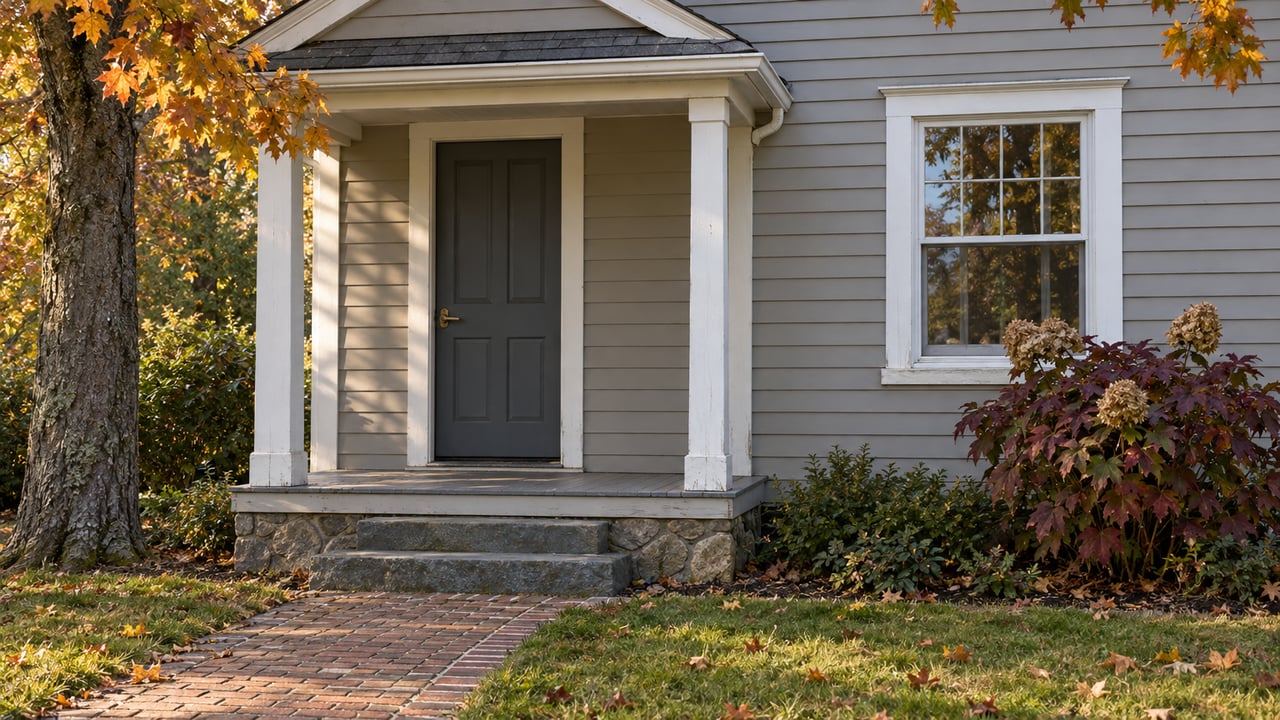
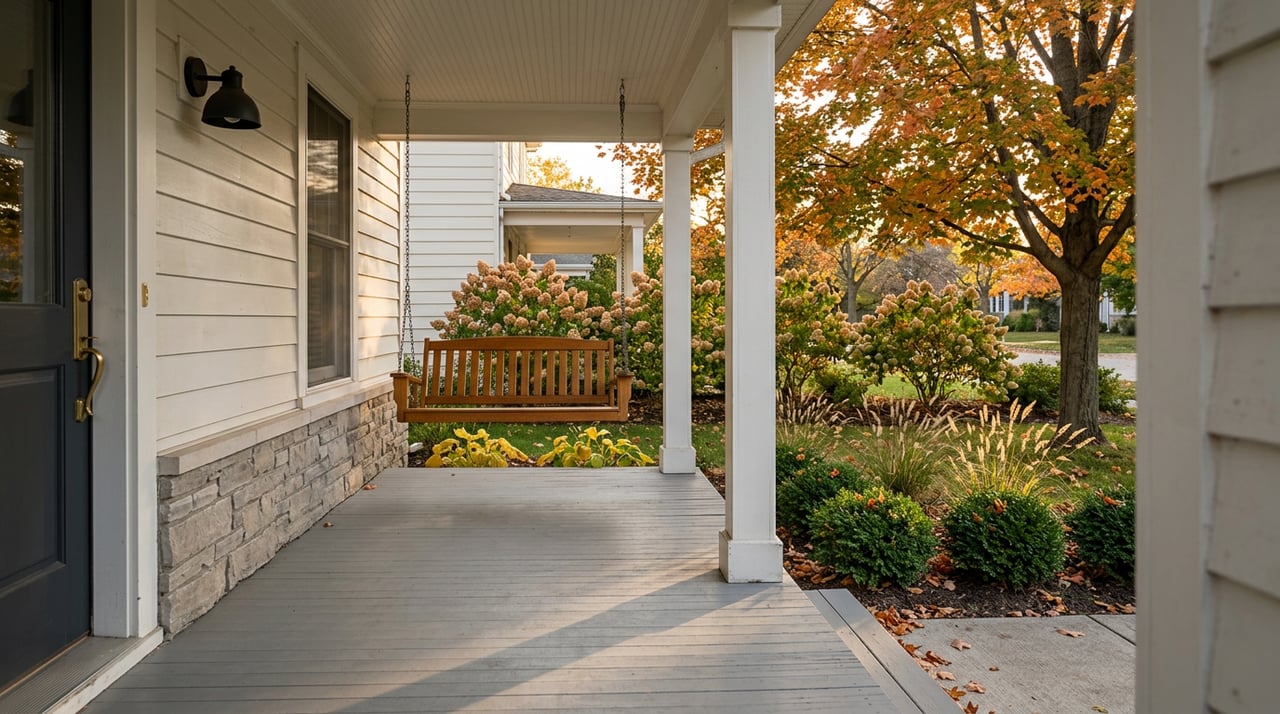
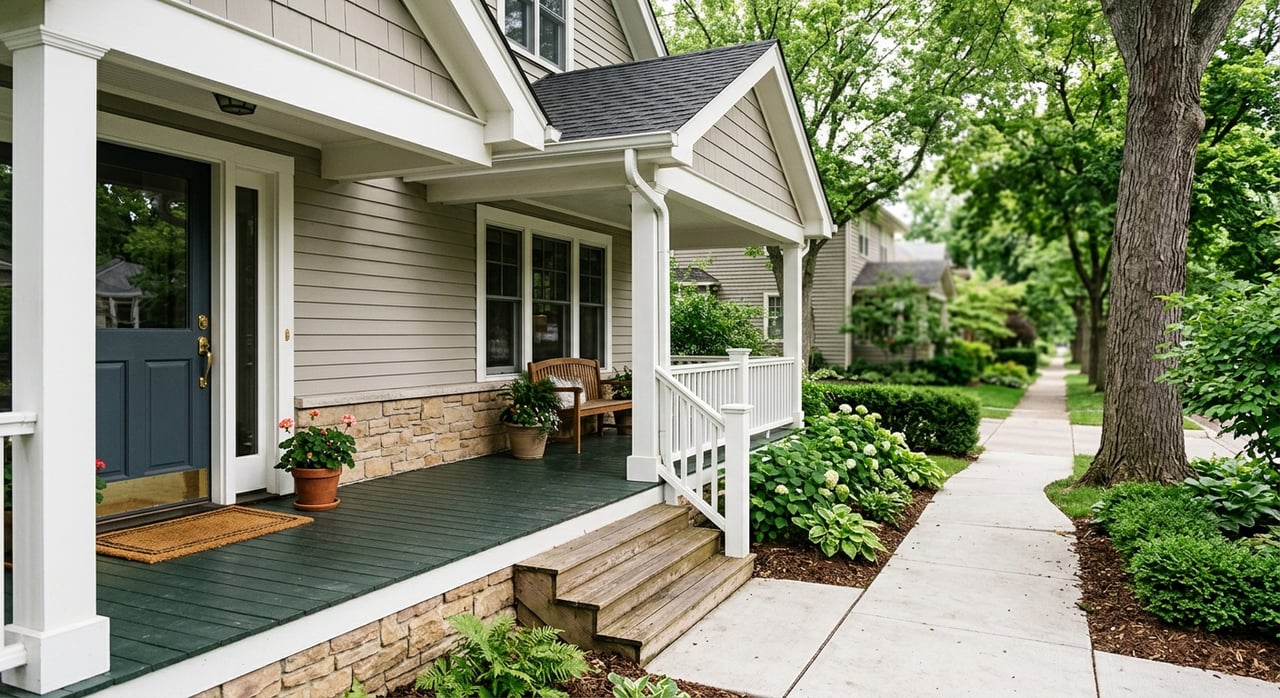
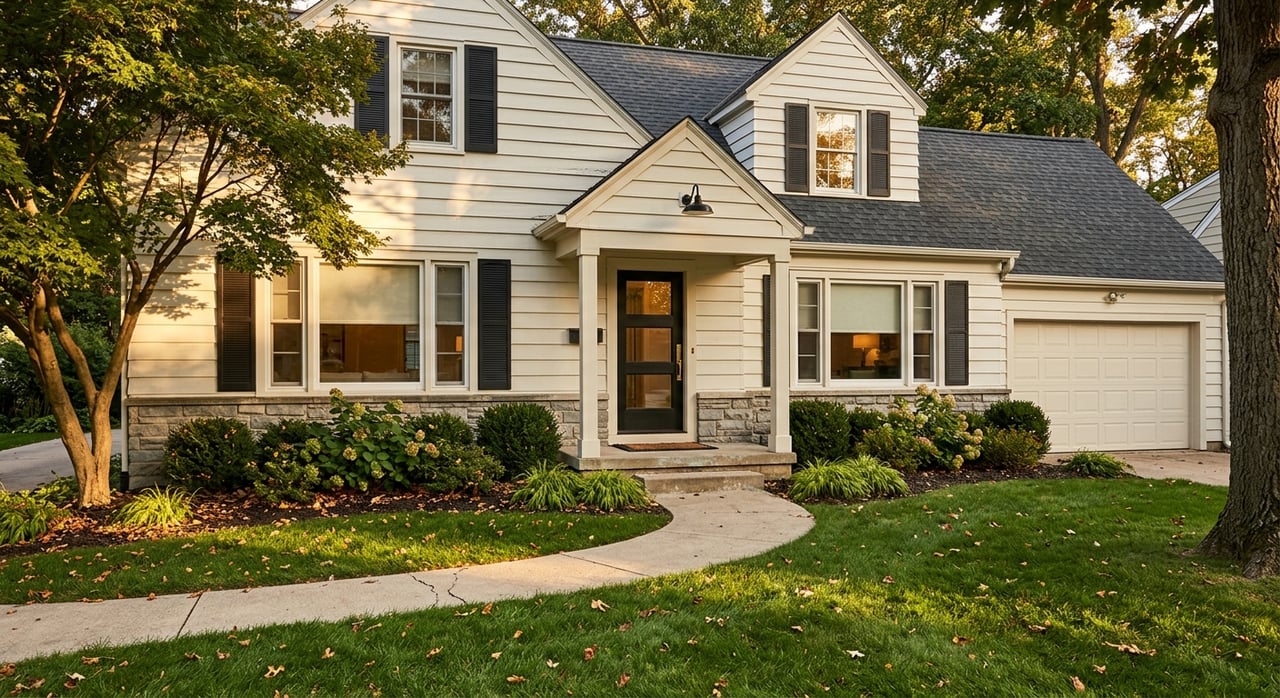
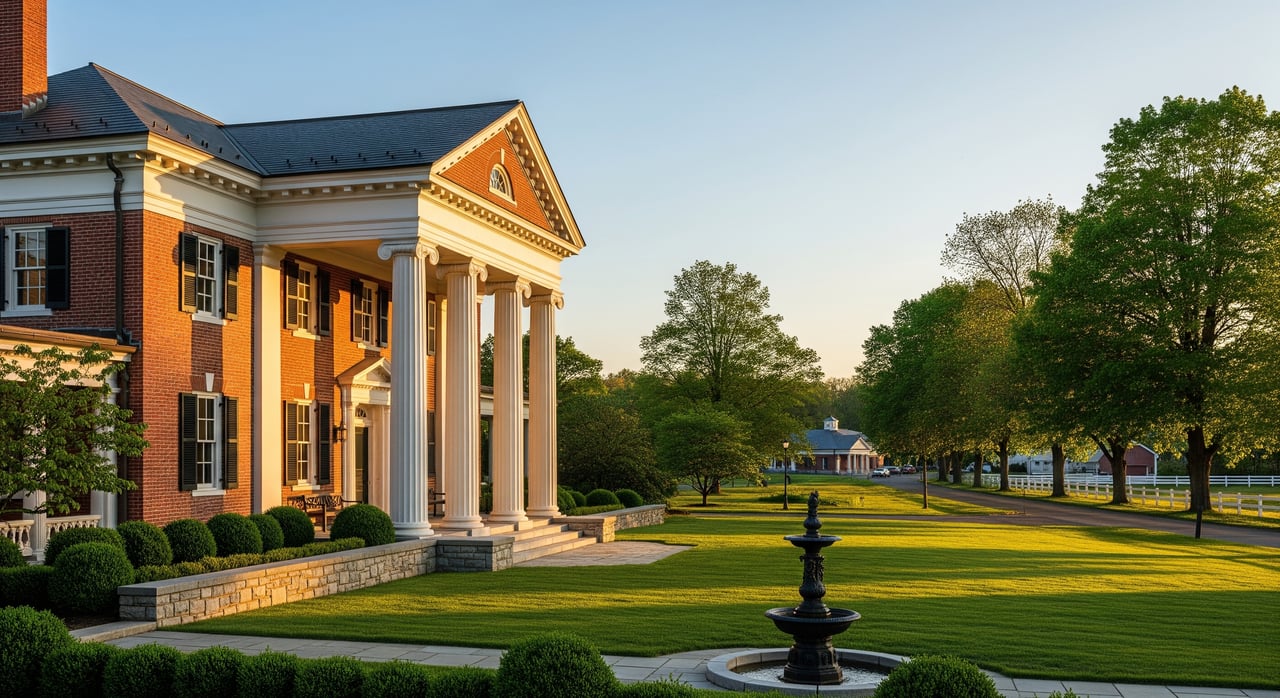
Close to Congress Park and the Union Avenue area, you will find Victorian architecture, Queen Anne and Colonial Revival homes, and mature trees. These streets offer character and proximity to downtown. Many homes are older, so you balance charm with maintenance and renovation planning. Buyers often appreciate the sense of history and community connections.
Suburban and peripheral options
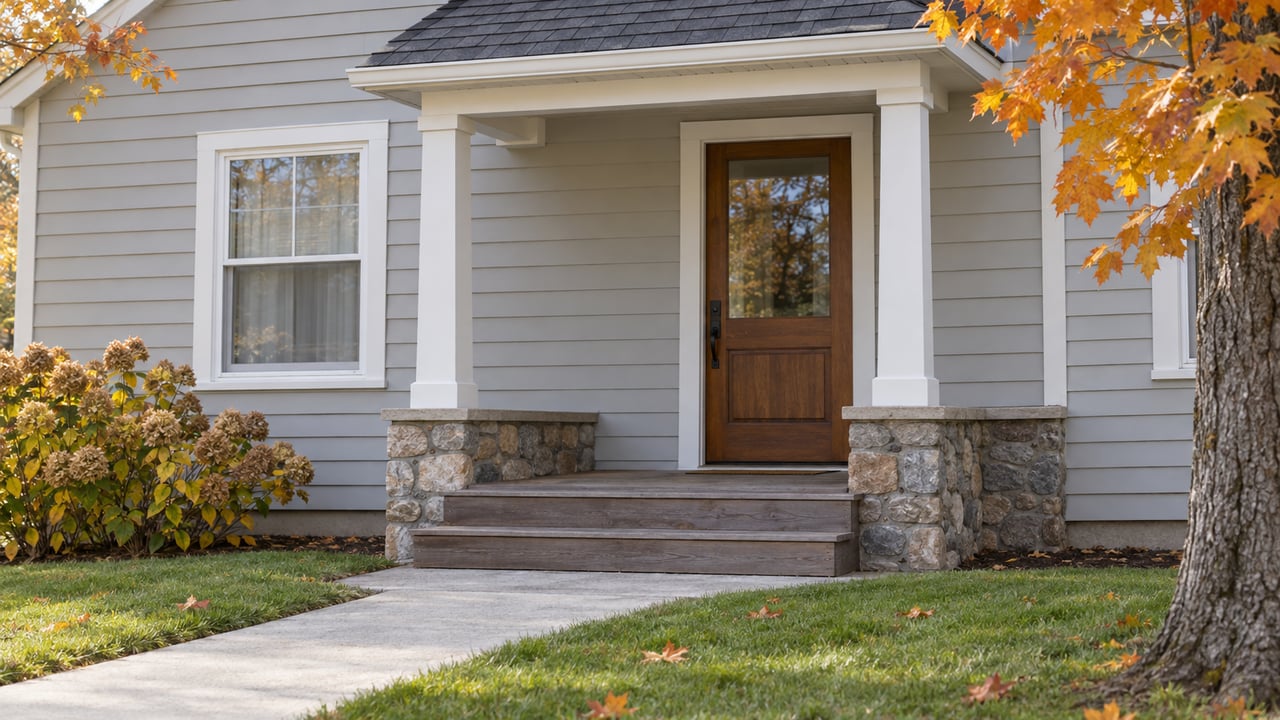
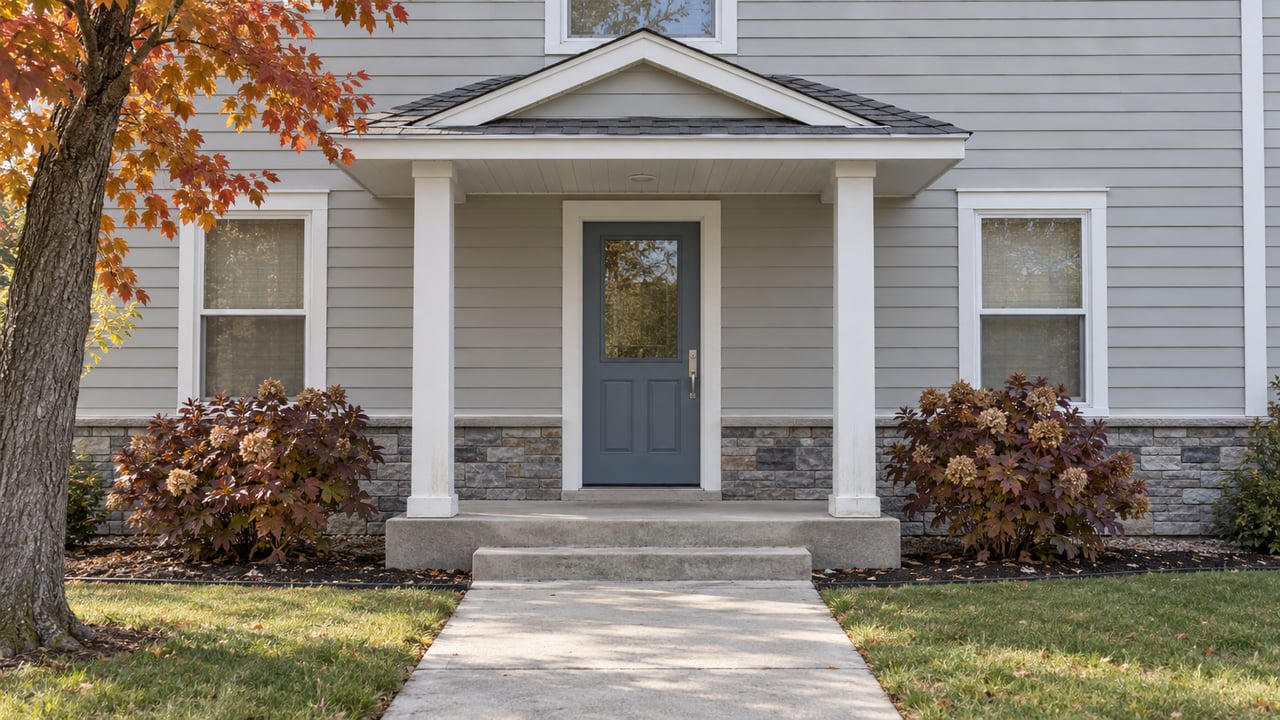
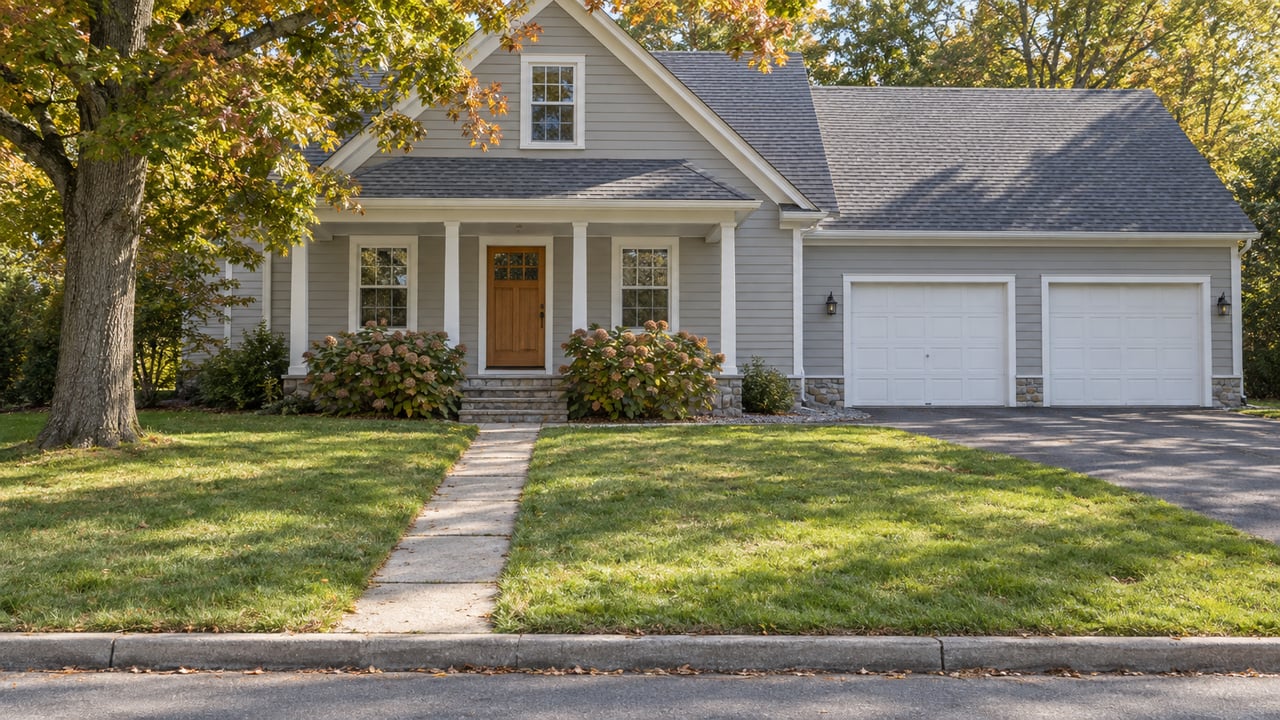
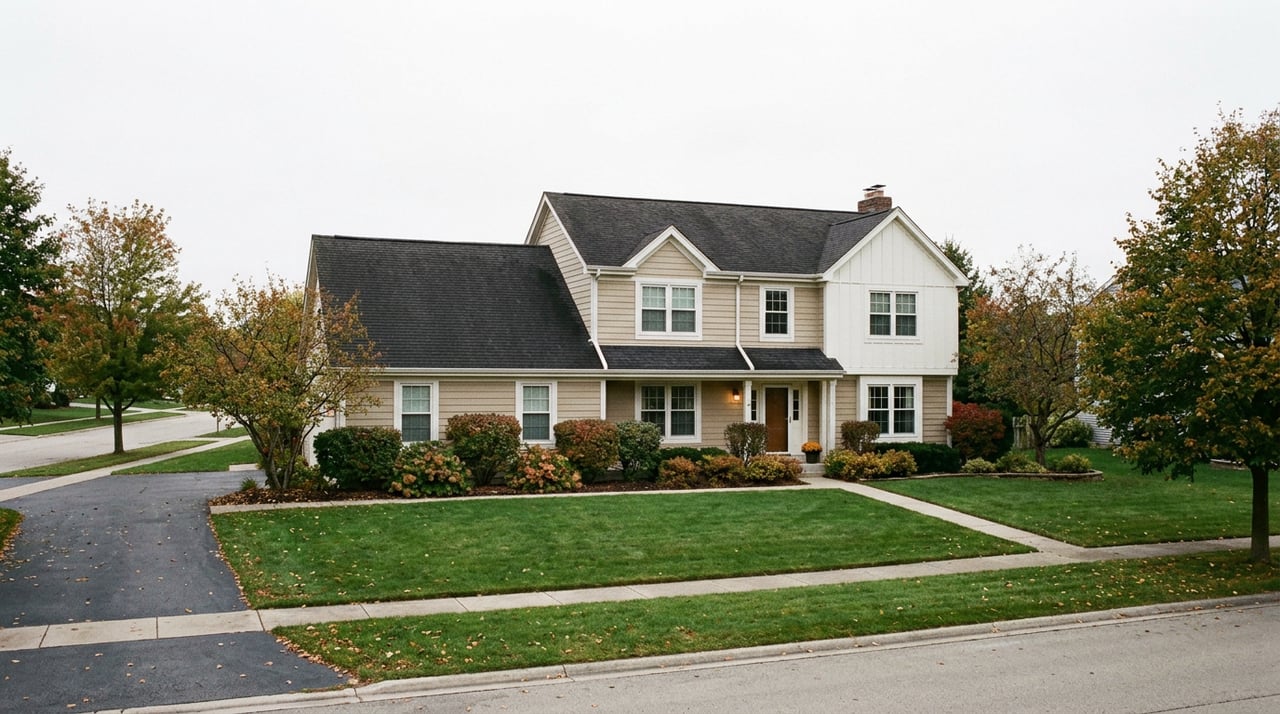
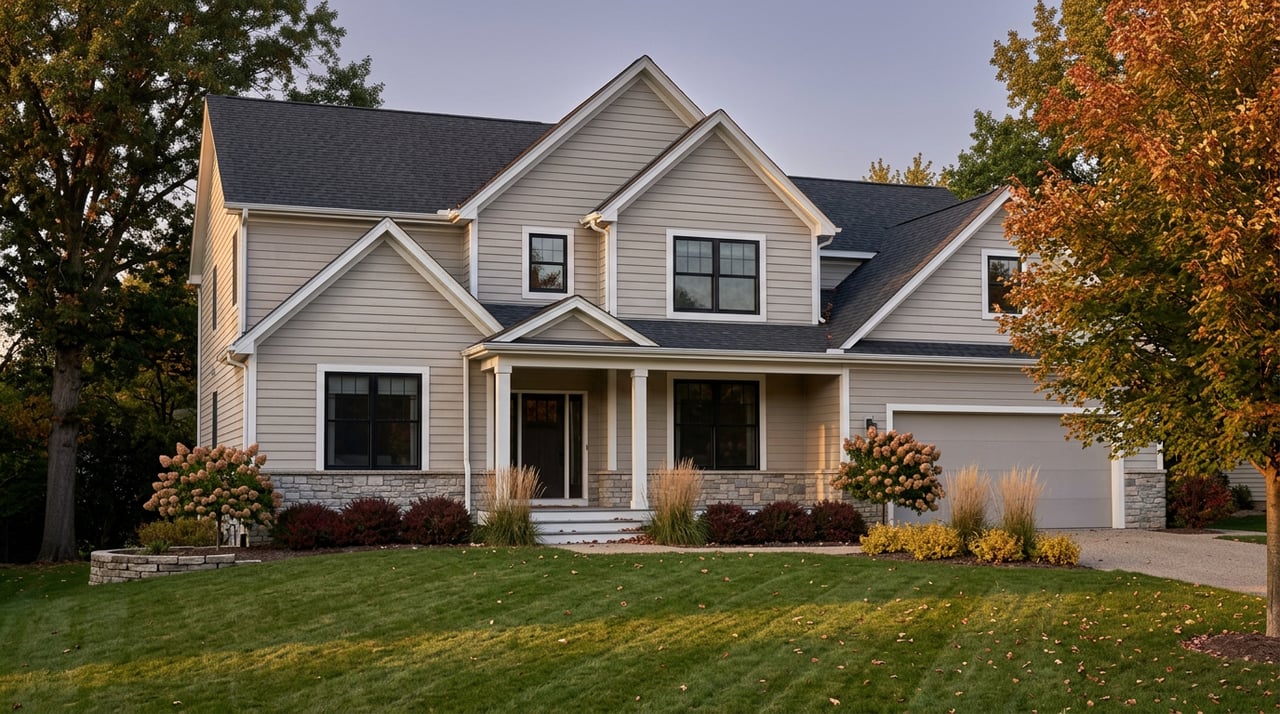
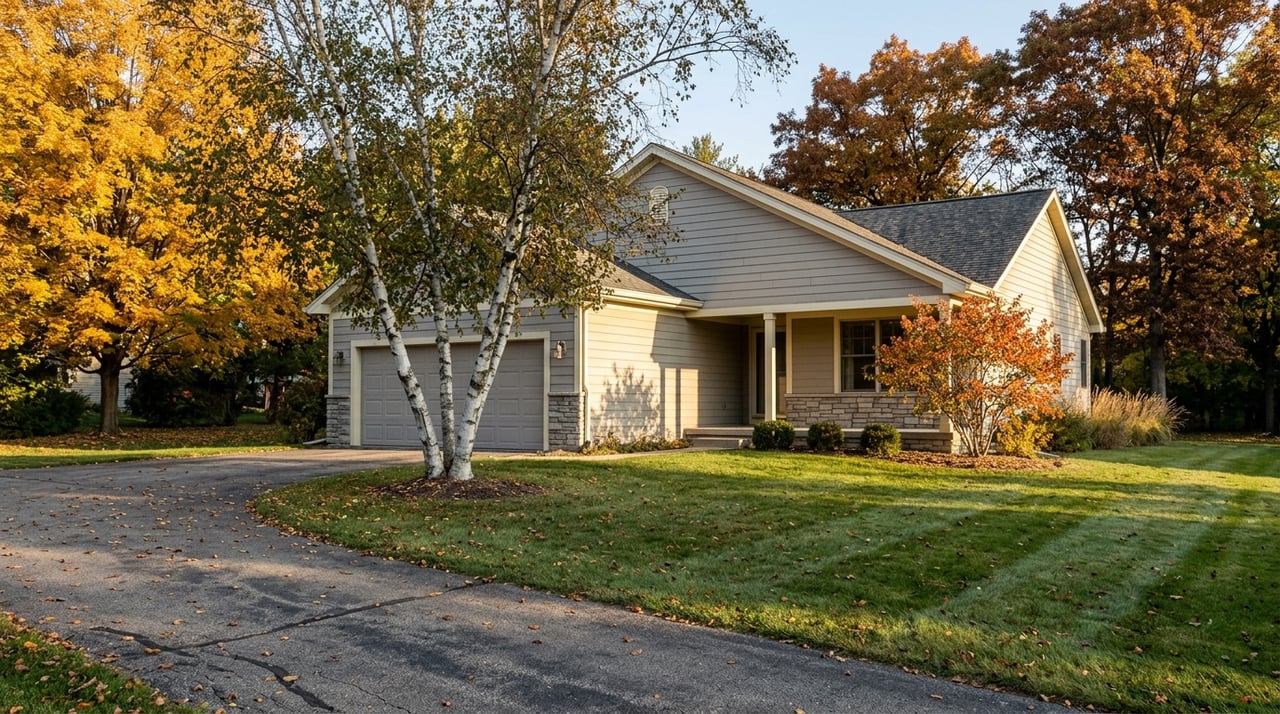
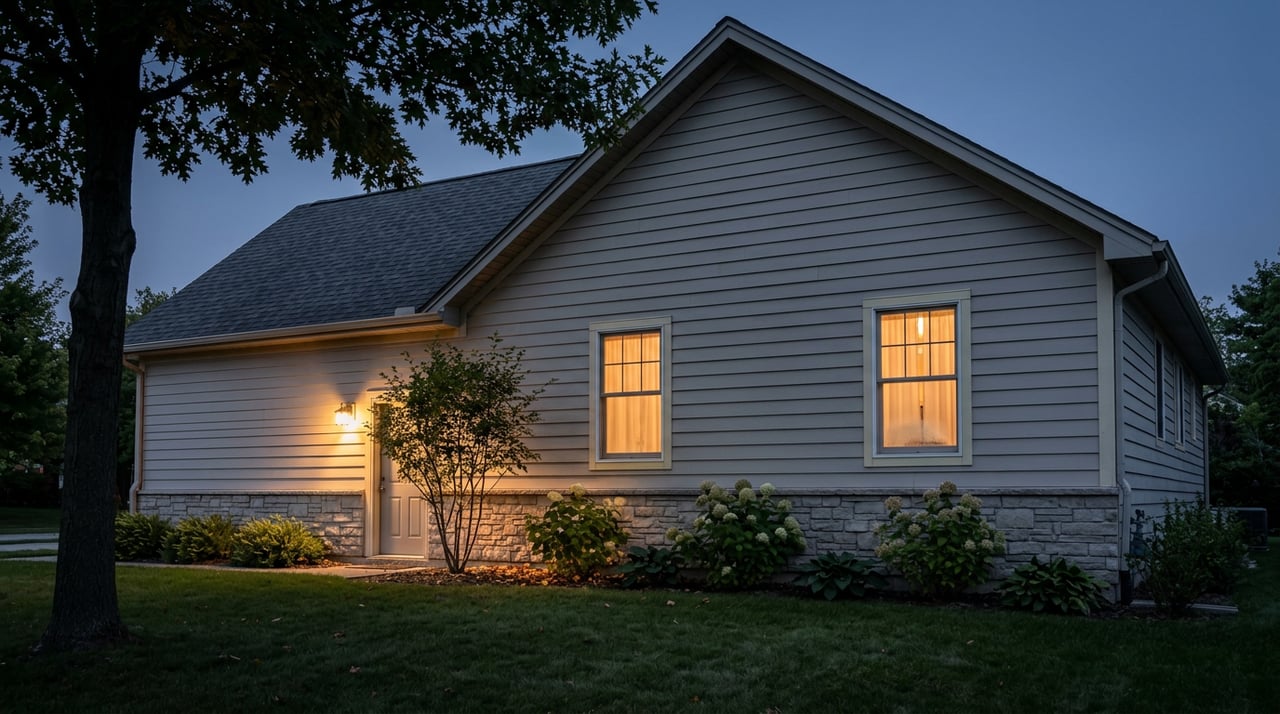
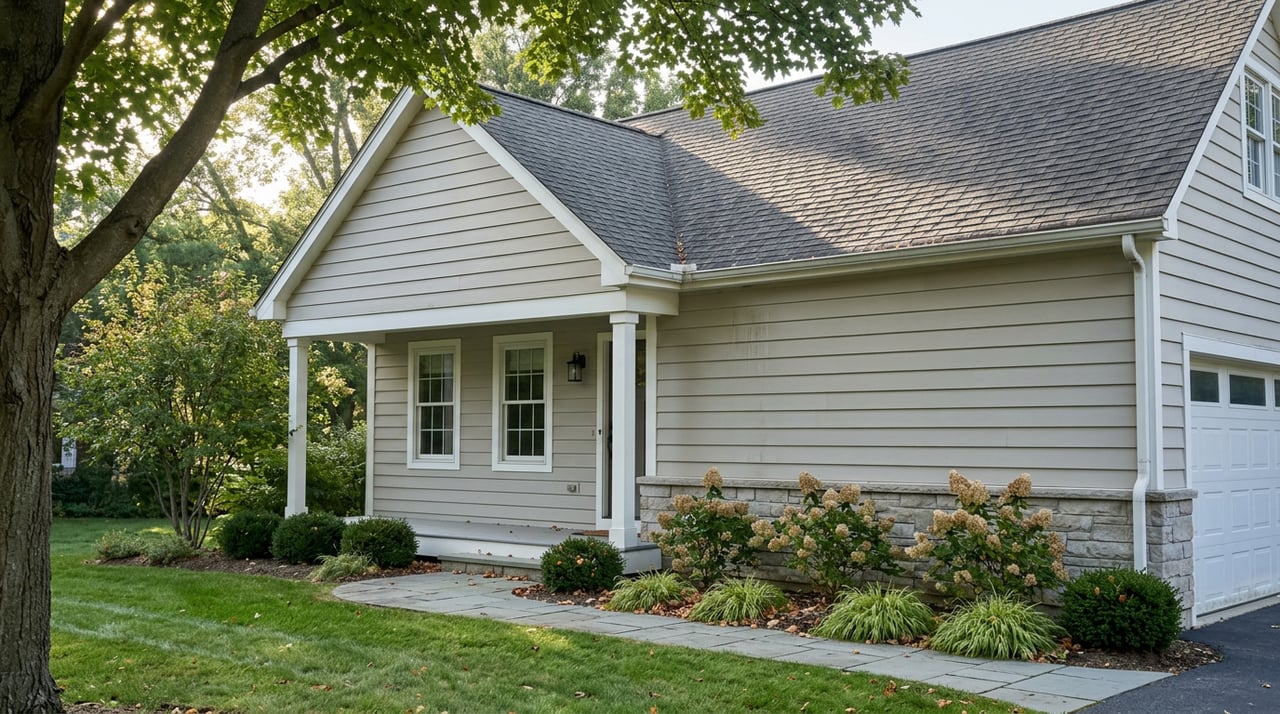
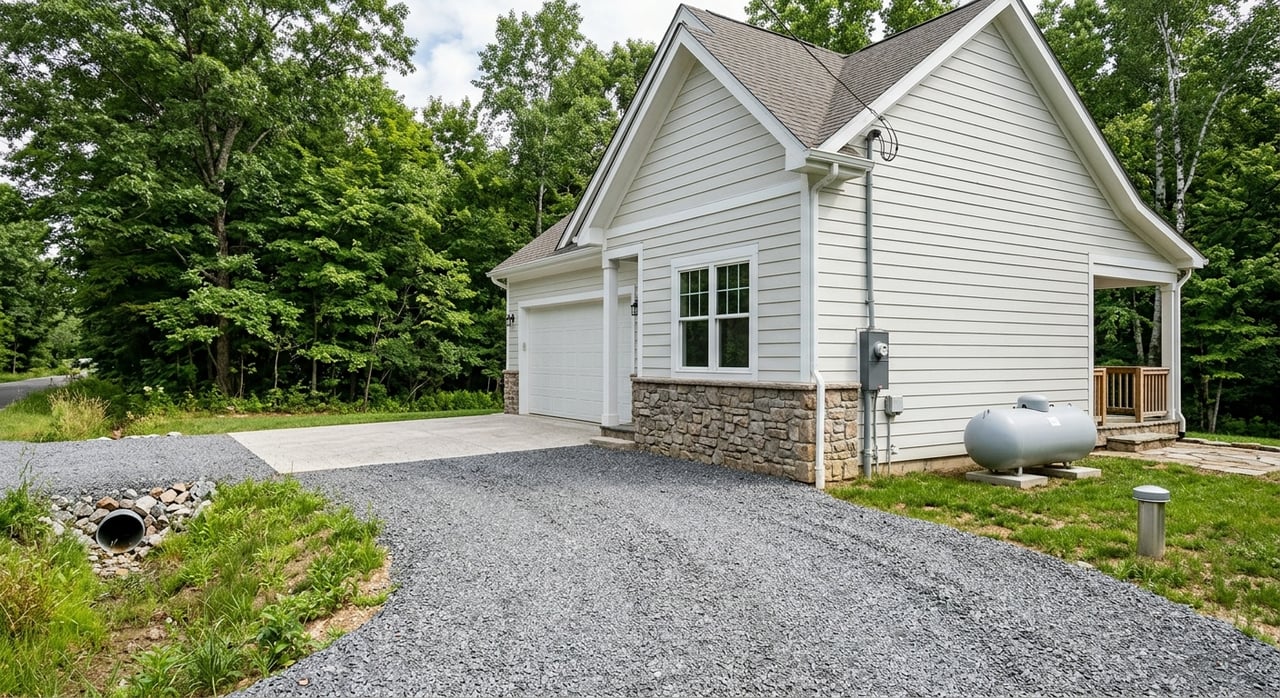
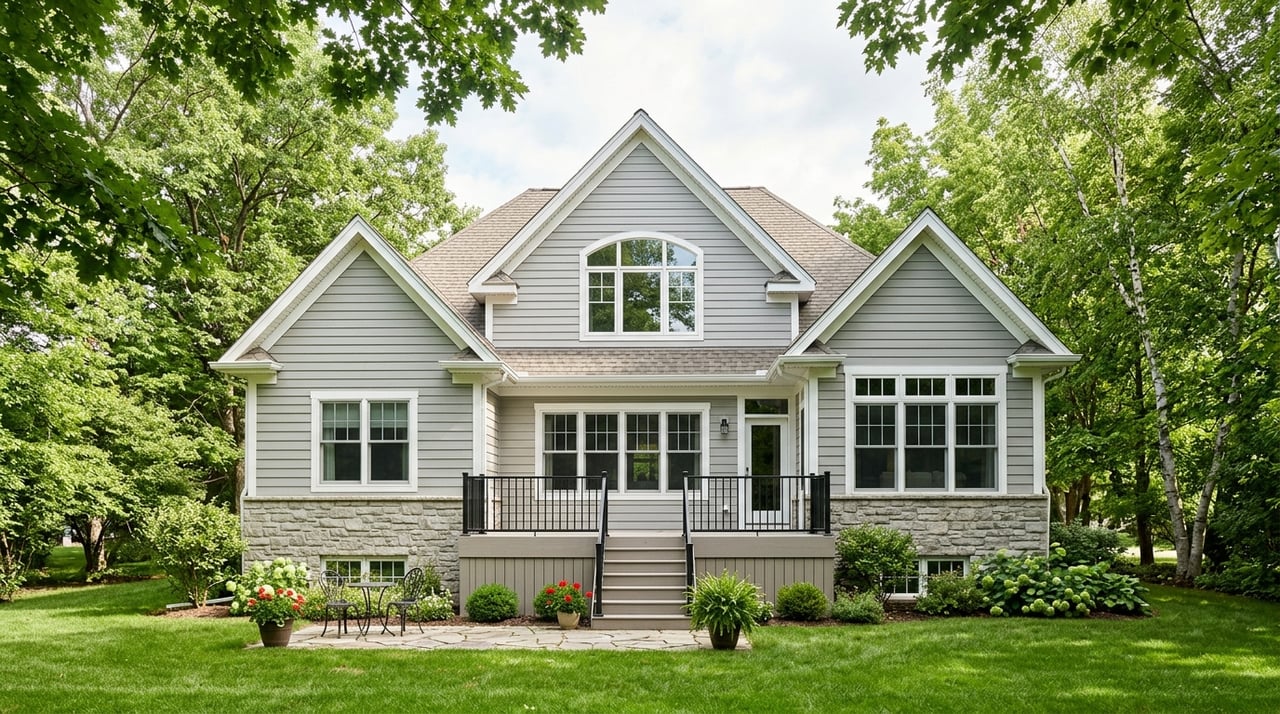
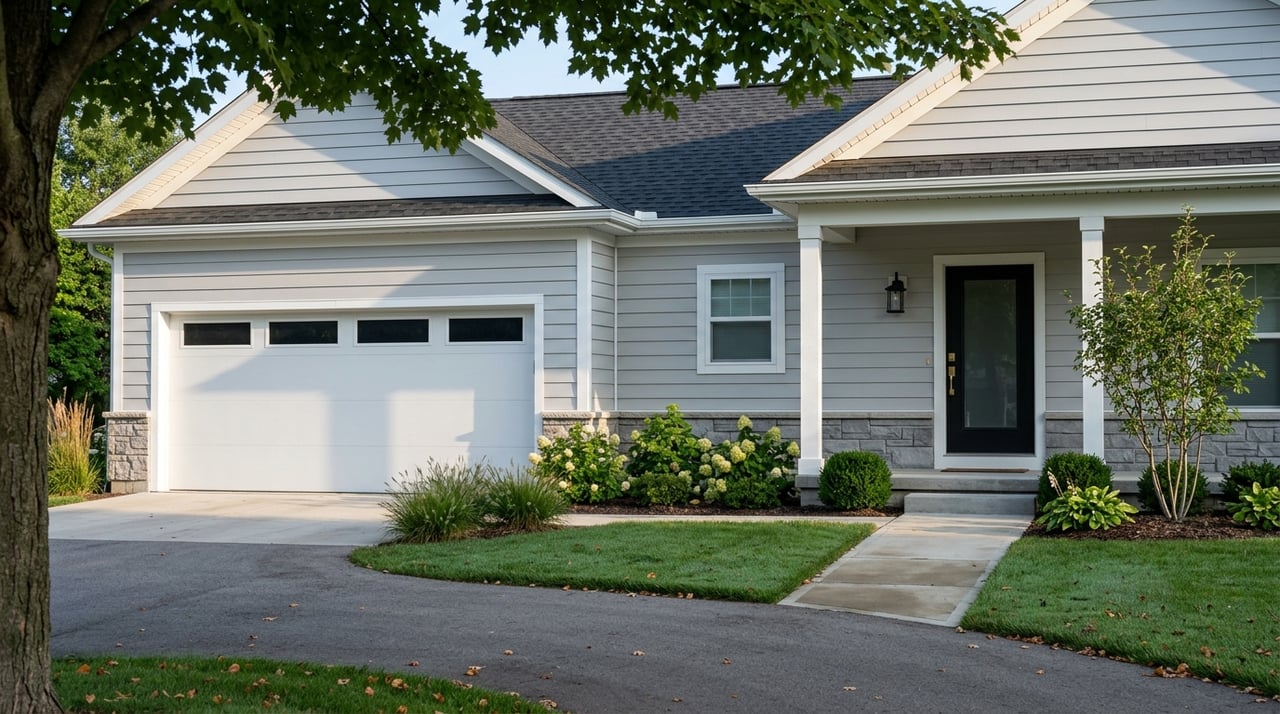
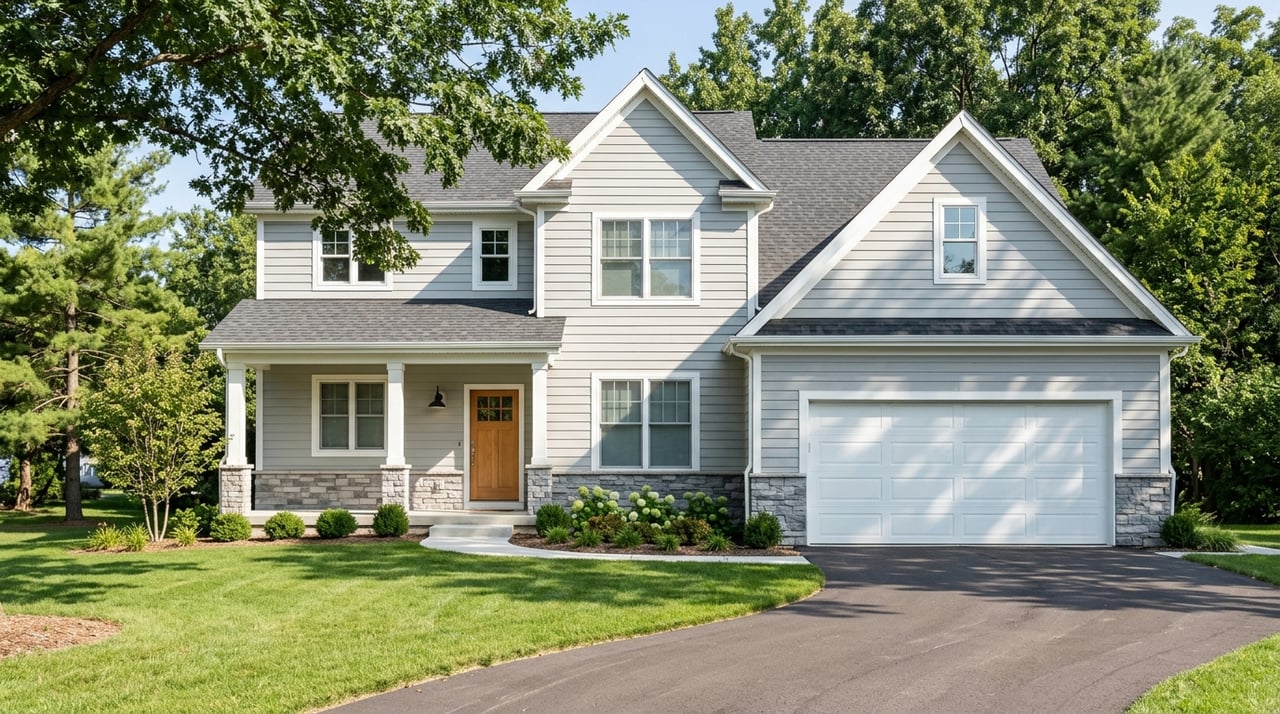
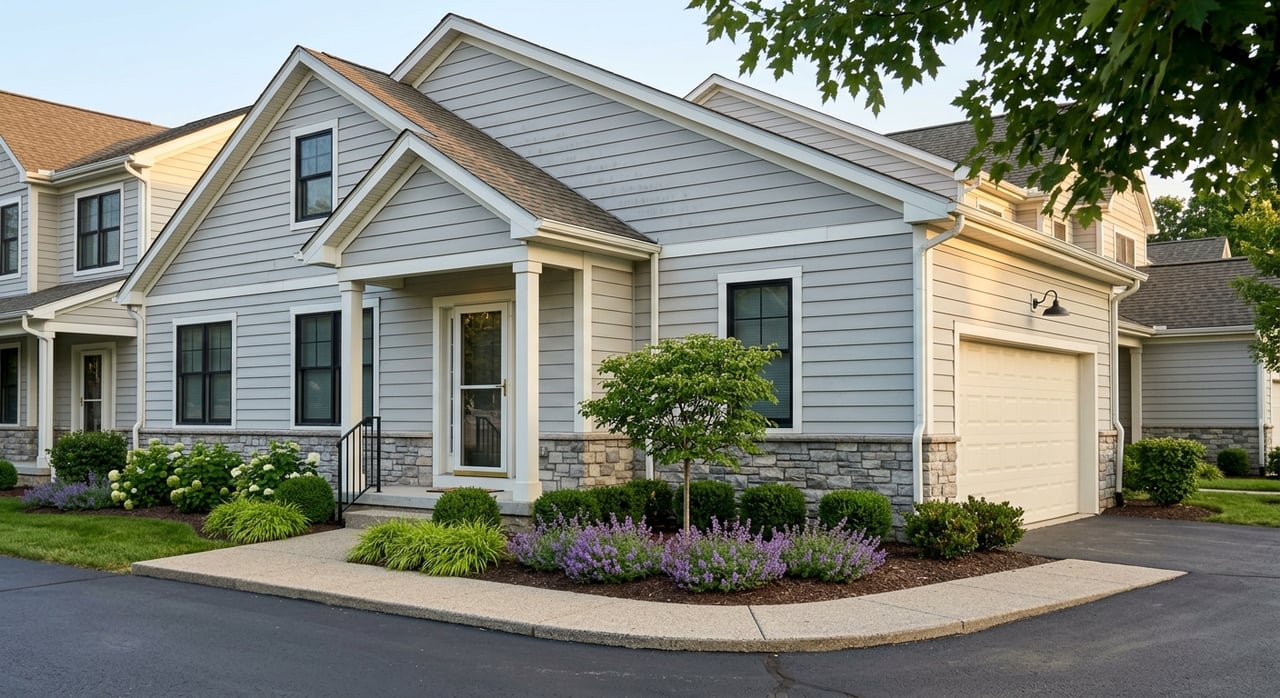
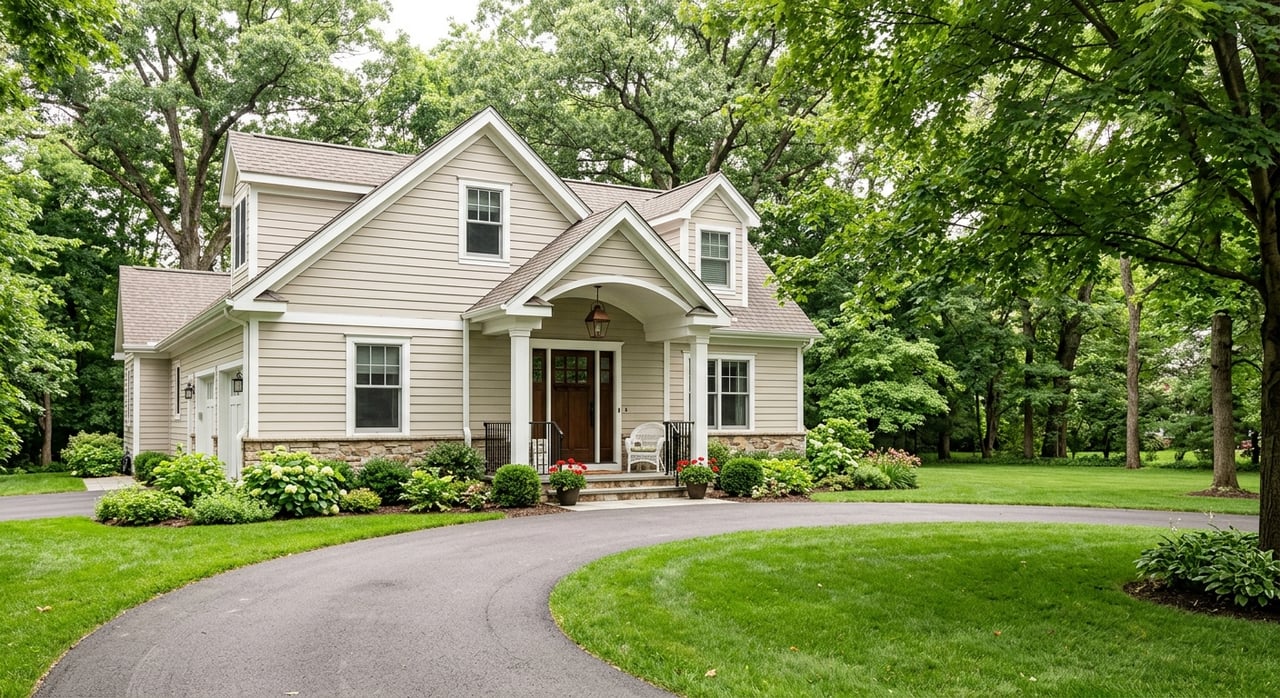
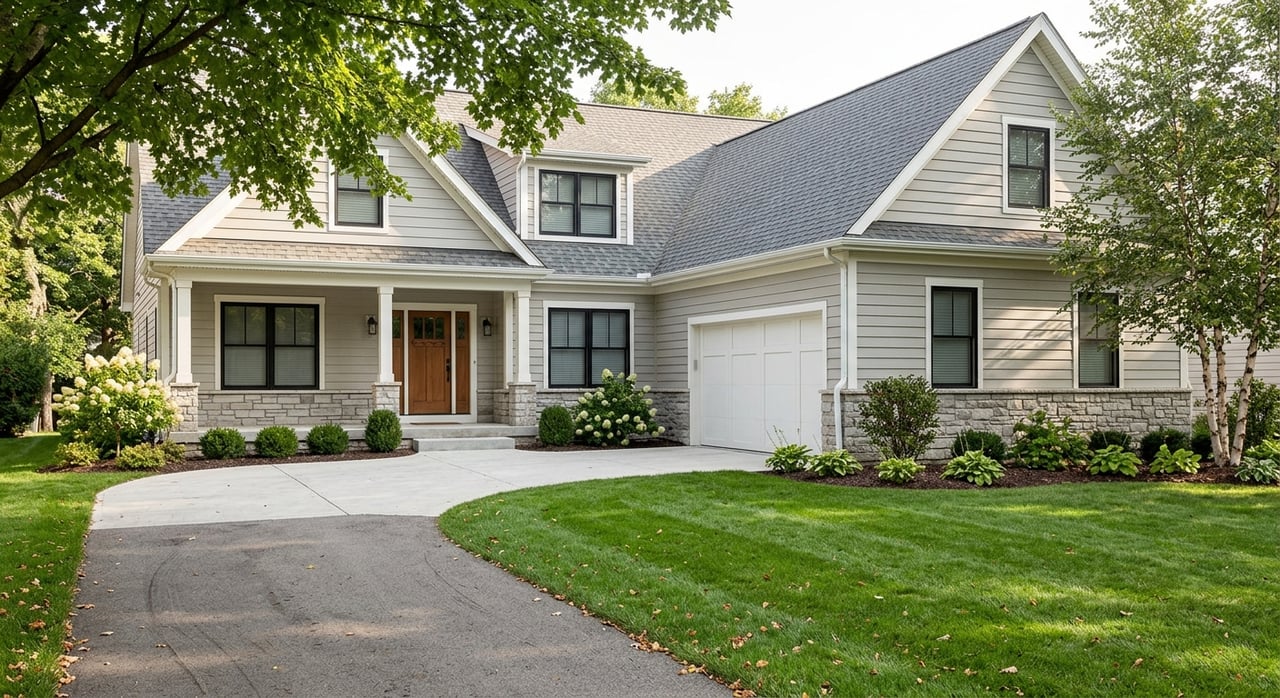
On the outskirts, you will see single‑family homes built from the late 20th century onward, plus townhomes and condos. Lots are usually larger than in the core, with more driveway and garage parking. Daily errands often require a car, but you trade for space and quieter streets. These areas serve many commuters and growing households.
Newer infill and small developments
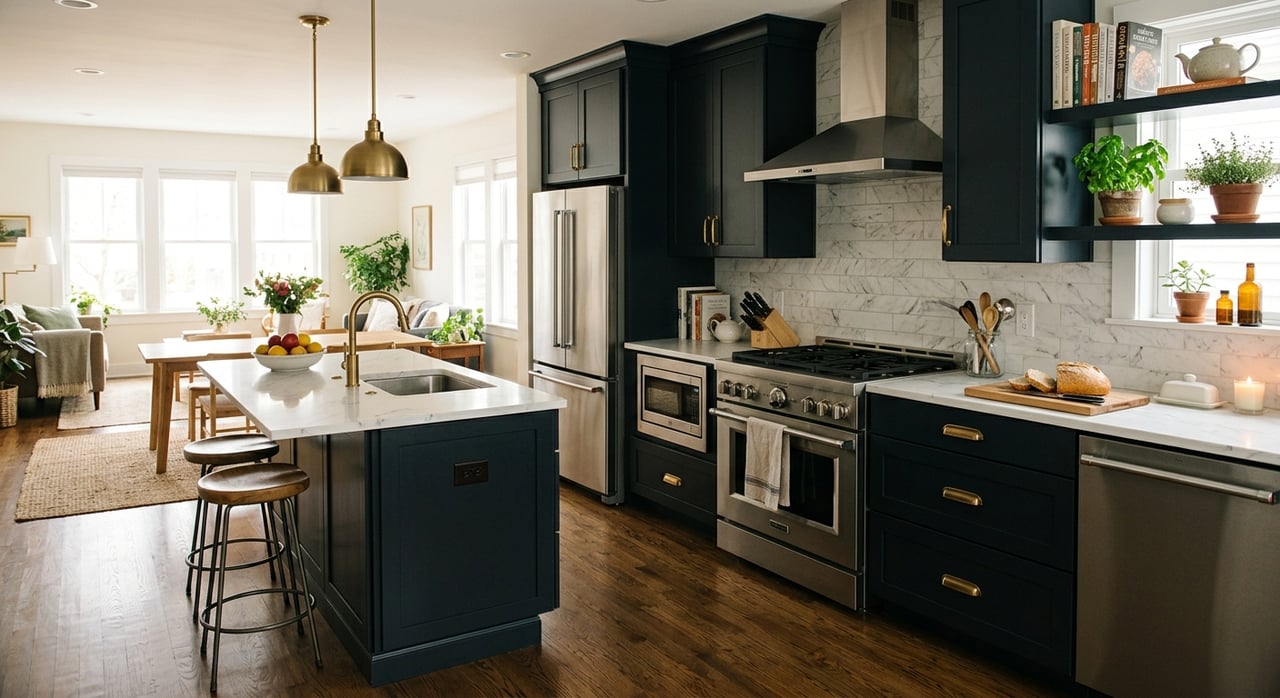
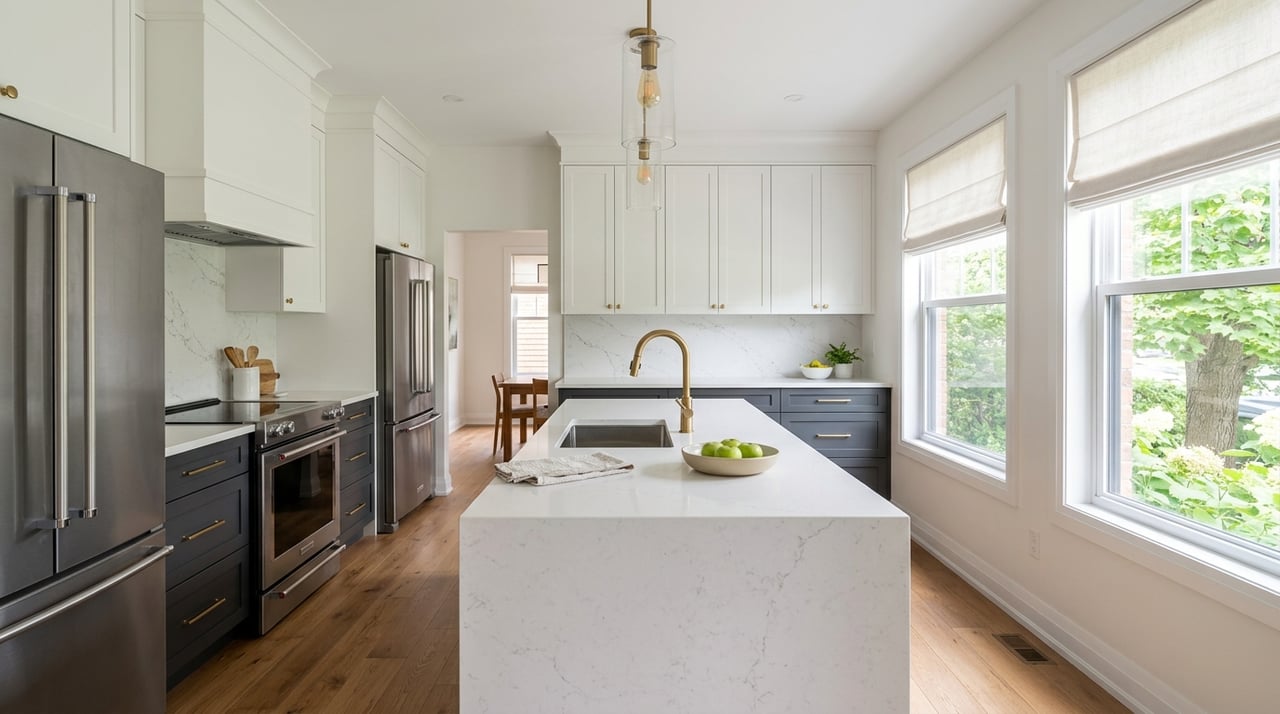
Infill projects add a limited number of new condos and multifamily options inside the city. You may find renovated buildings aimed at renters and downsizers who want low‑maintenance living near amenities. Supply can be tight, so having alerts and a quick tour plan helps. If you value elevator access and newer systems, keep an eye on these listings.
Daily life: walkability, dining, and culture
Walkable routines
Downtown sidewalks make strolling to coffee, groceries, and parks part of daily life. Older neighborhoods near the center keep that pedestrian feel with street trees and connected blocks. As you move outward, streets become more car‑oriented. If walkability is a must, focus your home search within or near the core.
Dining and local food
Dining ranges from casual cafes to fine dining, with a farm‑to‑table influence that reflects local producers. In summer, patios open and the energy rises with racing visitors and festivalgoers. You will also find regional breweries and craft beverages across the county. Farmers’ markets add seasonal produce and prepared foods to your weekly routine.
Parks and outdoor spaces
Congress Park offers a picturesque downtown green with springs and walking paths, perfect for midday breaks. Saratoga Spa State Park delivers trails, picnic space, and mineral baths, and it connects easily to concerts and cultural programming nearby. Beyond the city, Saratoga County and the Adirondack foothills provide hiking, cycling, and lakes for weekend escapes. If you value daily nature access, you will have plenty of choices.
Arts and events
The Saratoga Performing Arts Center anchors the city’s cultural identity with classical and popular music. Summer racing at the Saratoga Race Course shapes the calendar and draws national attention. Community events, college performances, and smaller venues fill in the rest of the year. You can enjoy a vibrant lineup without leaving town.
Schools and education
The Saratoga Springs City School District serves the city for elementary through high school. Families often review attendance zones and official reports when making decisions. Skidmore College adds performances, lectures, and a student presence to the community. Private and parochial options exist locally and in nearby towns, though there are fewer than in larger cities.
Getting around and commute
Interstate 87, also known as the Adirondack Northway, connects Saratoga Springs to the Capital District to the south and Lake George and the Adirondacks to the north. Most residents drive for work and errands, especially outside the core. Local and regional bus service exists but is more limited than in larger metros, so confirm routes and frequency if you plan to rely on it. Amtrak serves the city for regional rail trips, with schedules that can vary by season.
When seasons shape your schedule
Summer and early fall are the busiest months. You will see longer waits at restaurants, more event days, and tighter parking downtown. Many locals shift errands to off‑peak times and reserve tables ahead. Winter brings a calmer pace, making it easier to explore the city’s everyday services and parks.
How Saratoga Springs compares nearby
Compared with Ballston Spa or Mechanicville, Saratoga Springs has a denser downtown and broader arts and tourism presence. Compared with Clifton Park and southern county suburbs, Saratoga Springs is more walkable and event‑oriented, while those suburbs offer more large subdivisions and direct access to some employment centers. Rural and lake communities in the county lean into outdoor recreation and lower density. Saratoga Springs balances culture, services, and access to nature.
Who finds a home here
You will meet long‑time locals, professionals commuting to Albany, Schenectady, or Clifton Park, retirees, artists, and hospitality workers. Skidmore College adds students and academics who contribute to performances and community life. Families look for proximity to parks and services, while downsizers may prioritize walkability and low‑maintenance living. The mix keeps neighborhoods active year‑round.
Tips for buyers and sellers
If you are buying
- Decide how walkable you want your life to be, then focus your search radius around Broadway or your preferred corridor.
- Plan for summer crowds by checking noise and parking patterns at different times of day.
- If you love historic homes, budget for maintenance and review local guidelines before major changes.
- Want low‑maintenance living? Target newer condos or renovated buildings with elevator access and parking.
- Set up VIP alerts so you can tour quickly when the right property hits the market.
If you are selling
- Highlight walkability, proximity to parks, and seasonal perks in your listing description.
- Use professional photography and, where it fits, drone video to showcase setting and outdoor spaces.
- If your home is historic, organize records for updates and systems to build buyer confidence.
- Price with current local comps and seasonality in mind to capture early attention.
Ready to explore neighborhoods, compare commute options, or craft a listing strategy that fits the season? Reach out to Julie Ann Gold for boutique, advocacy‑first guidance, from VIP home‑finder alerts to professional listing marketing and a clear pricing plan.
FAQs
What is daily life like in downtown Saratoga Springs?
- You can walk to shops, restaurants, and parks, enjoy a lively summer season, and expect smaller spaces and on‑street or lot parking compared with suburban areas.
How walkable is Saratoga Springs in winter months?
- Sidewalks in the core stay active, but snow and ice can slow things down, so many residents mix walking with driving until streets and paths are fully cleared.
Can I commute to Albany without a car from Saratoga Springs?
- Some commuters use regional bus or Amtrak when schedules align, but most rely on personal vehicles due to limited service frequency and coverage.
Where do residents go for parks and weekend activities in Saratoga Springs?
- Congress Park offers downtown green space, while Saratoga Spa State Park provides trails, mineral baths, and cultural venues, with county lakes and the Adirondack foothills nearby.
What housing types are common in Saratoga Springs?
- You will find downtown apartments and condos, historic single‑family homes near the core, and newer single‑family, townhome, and condo developments on the outskirts.