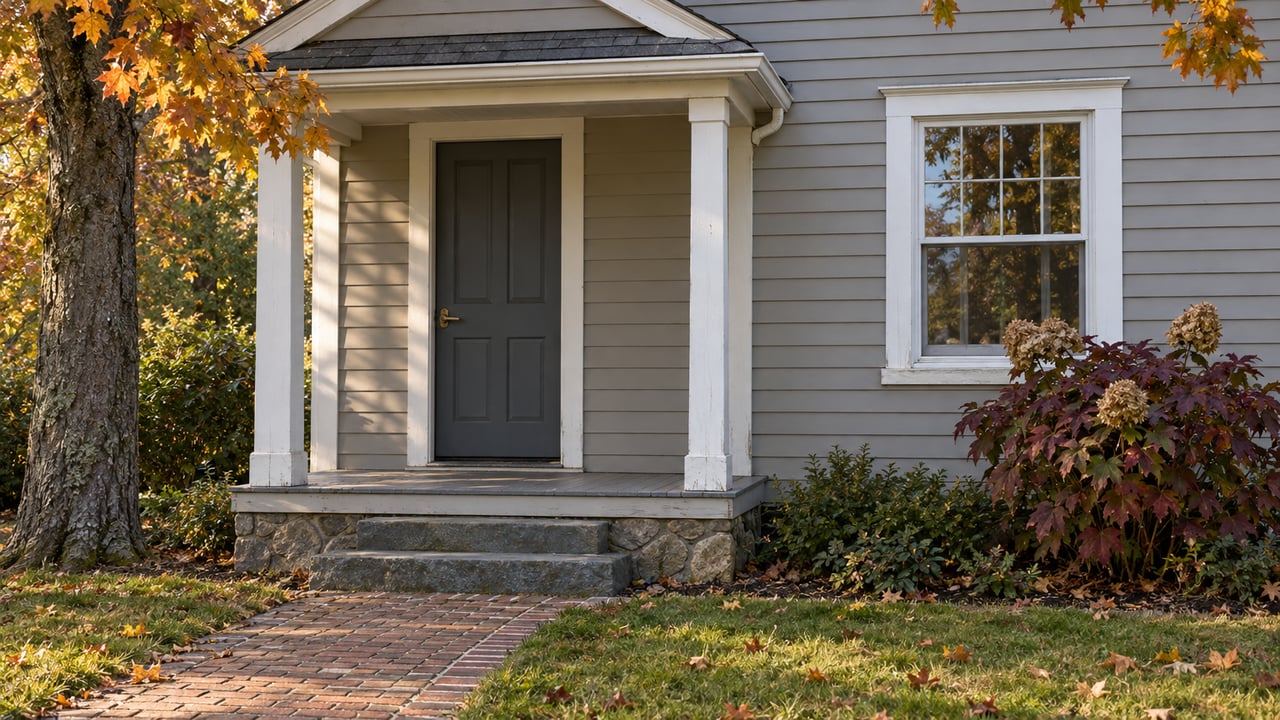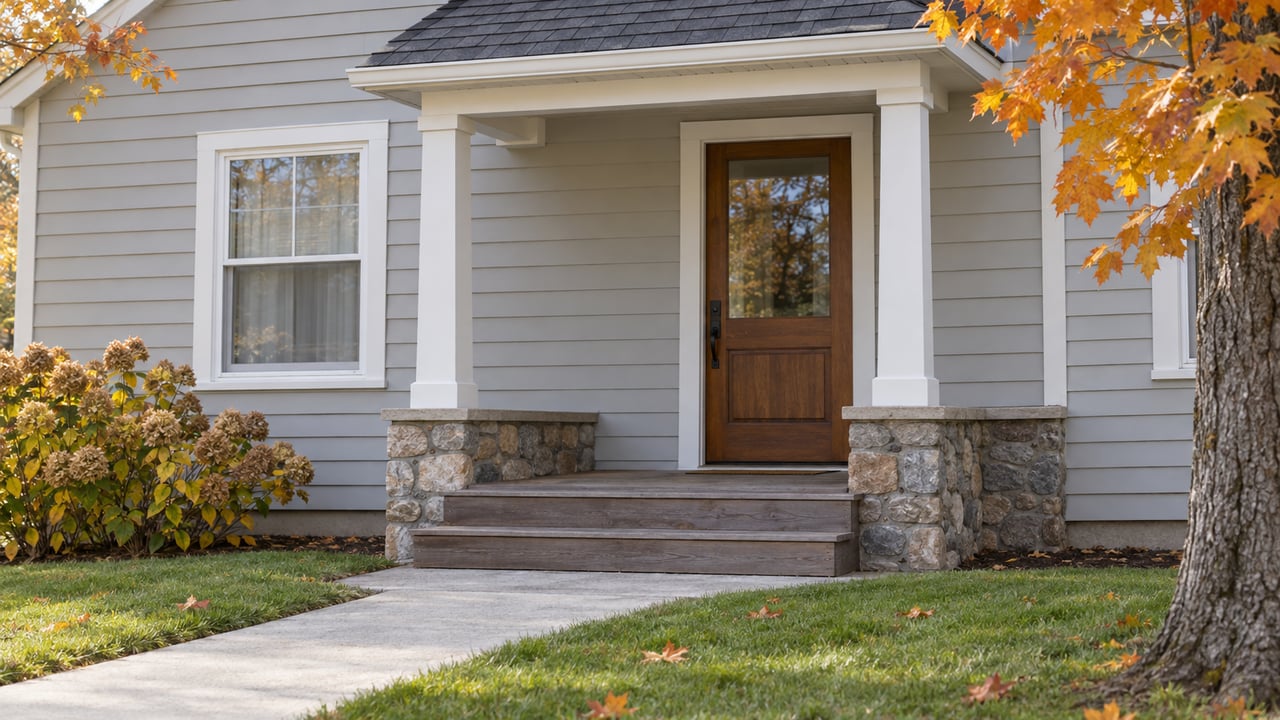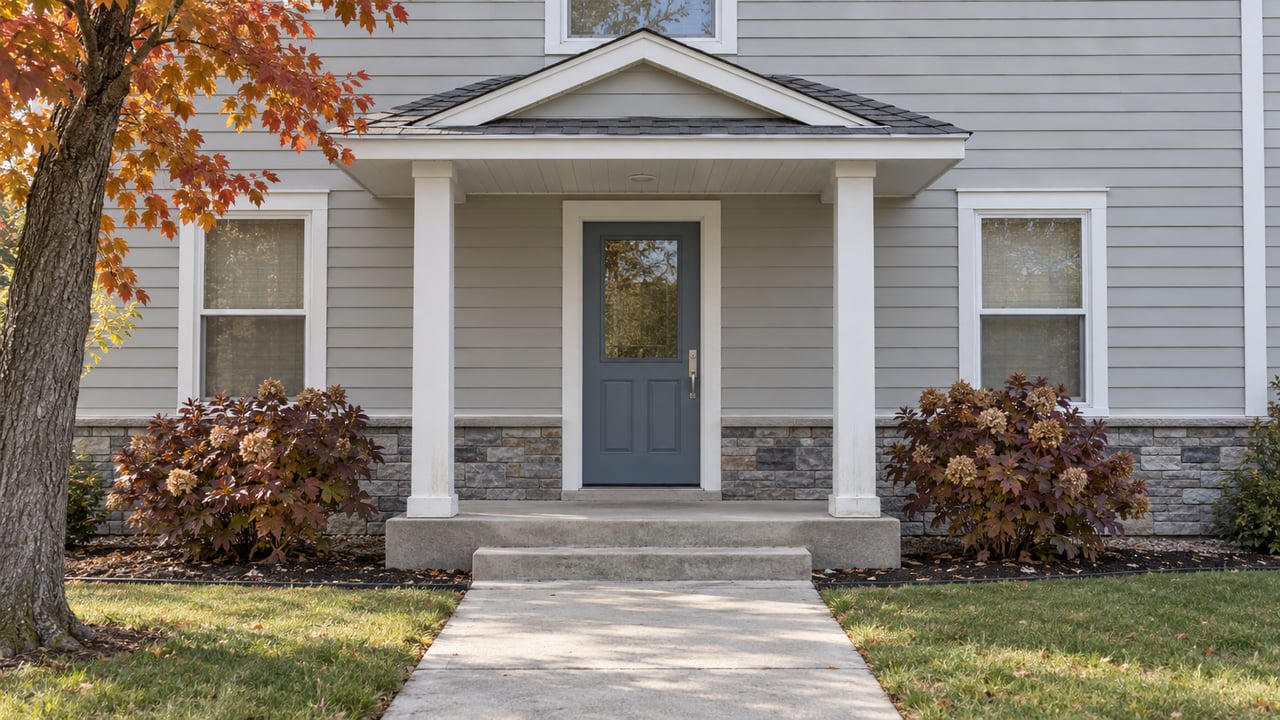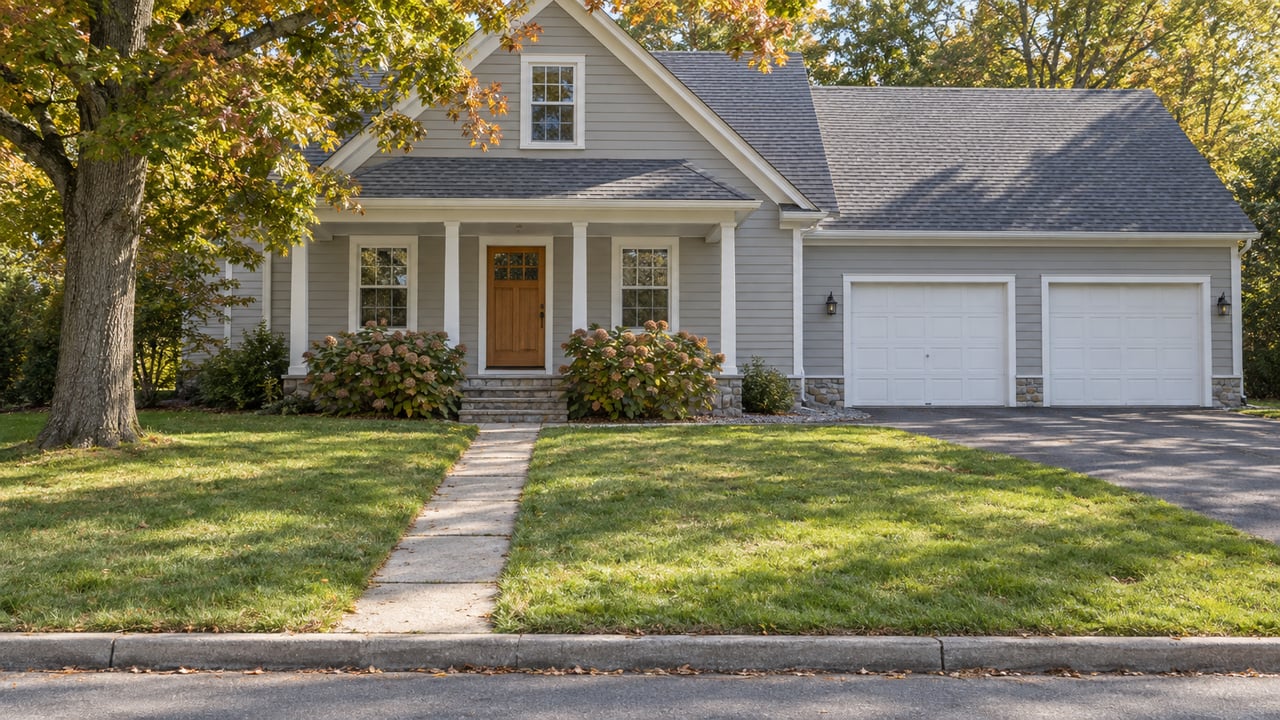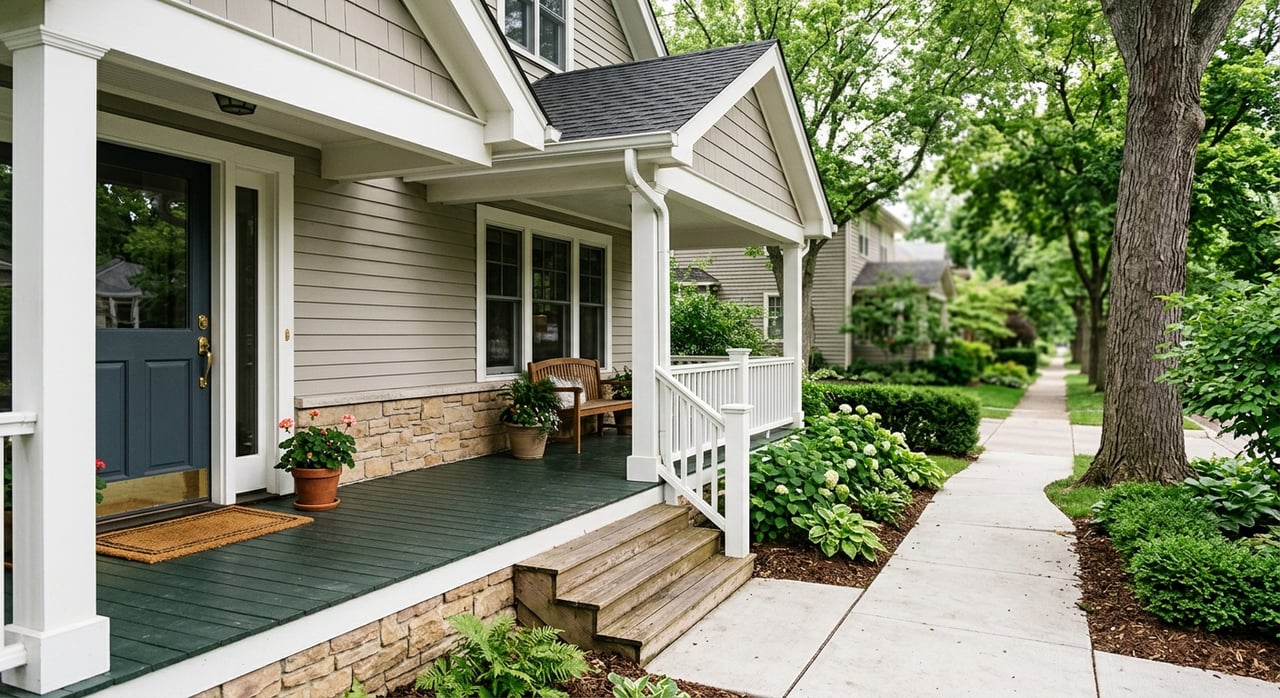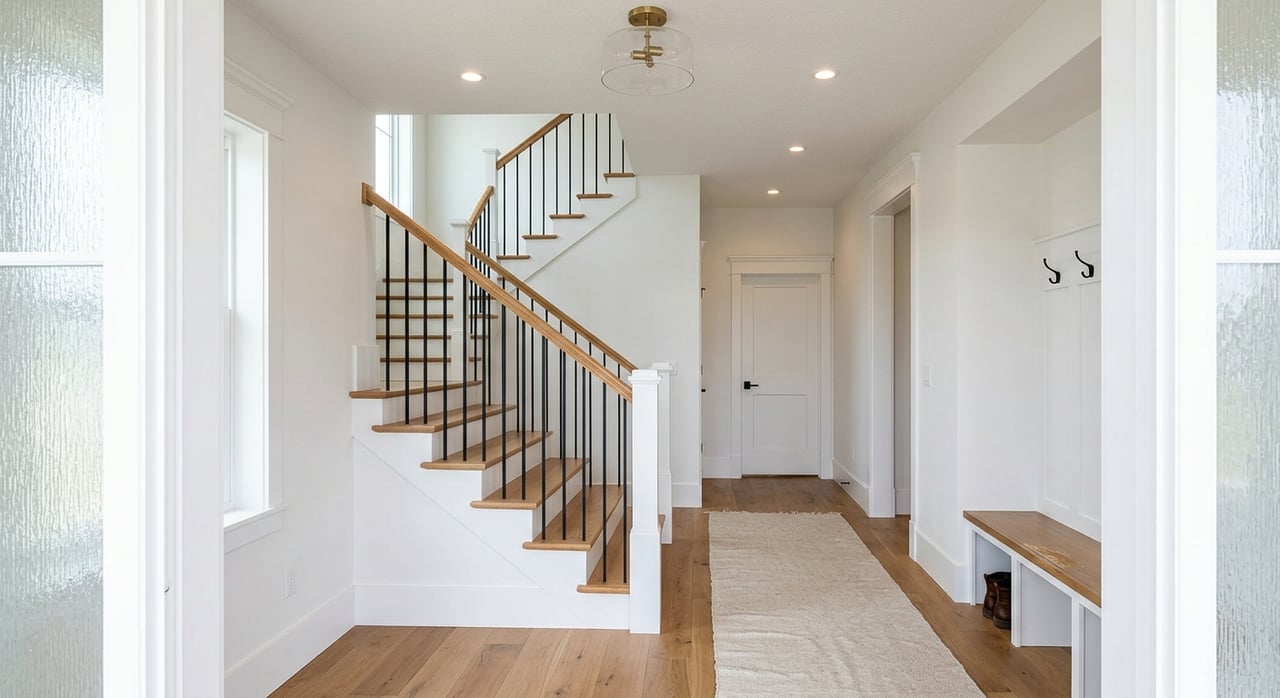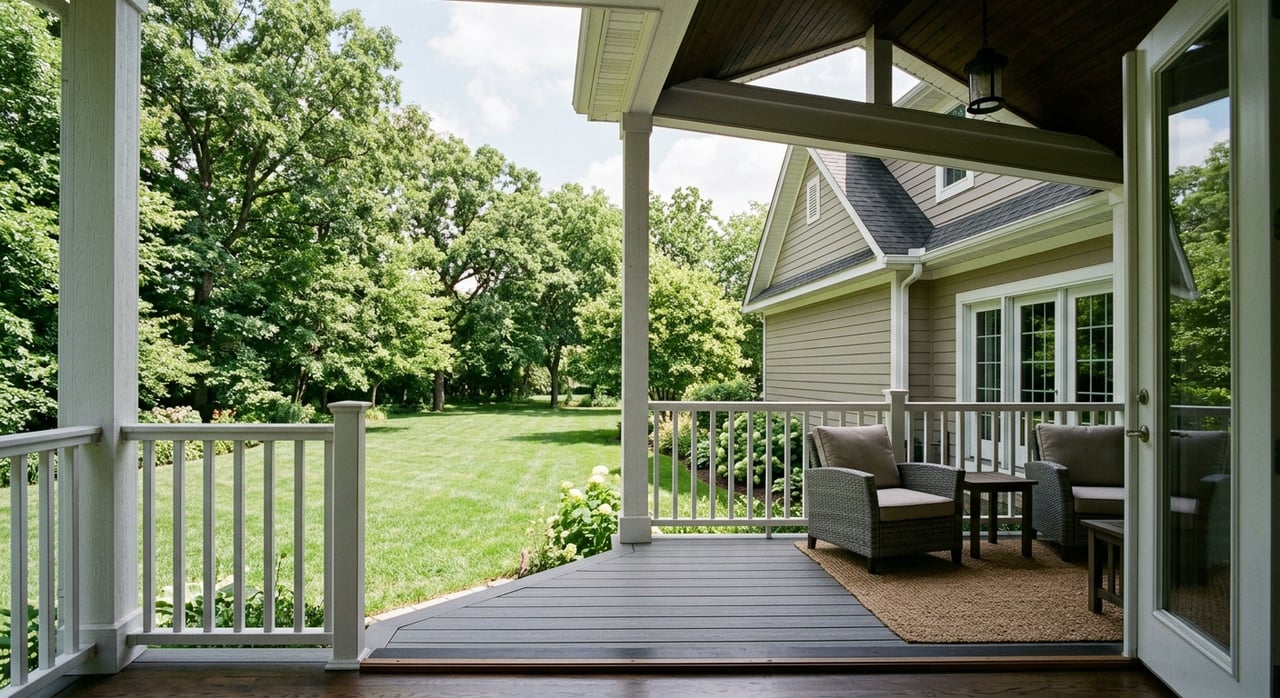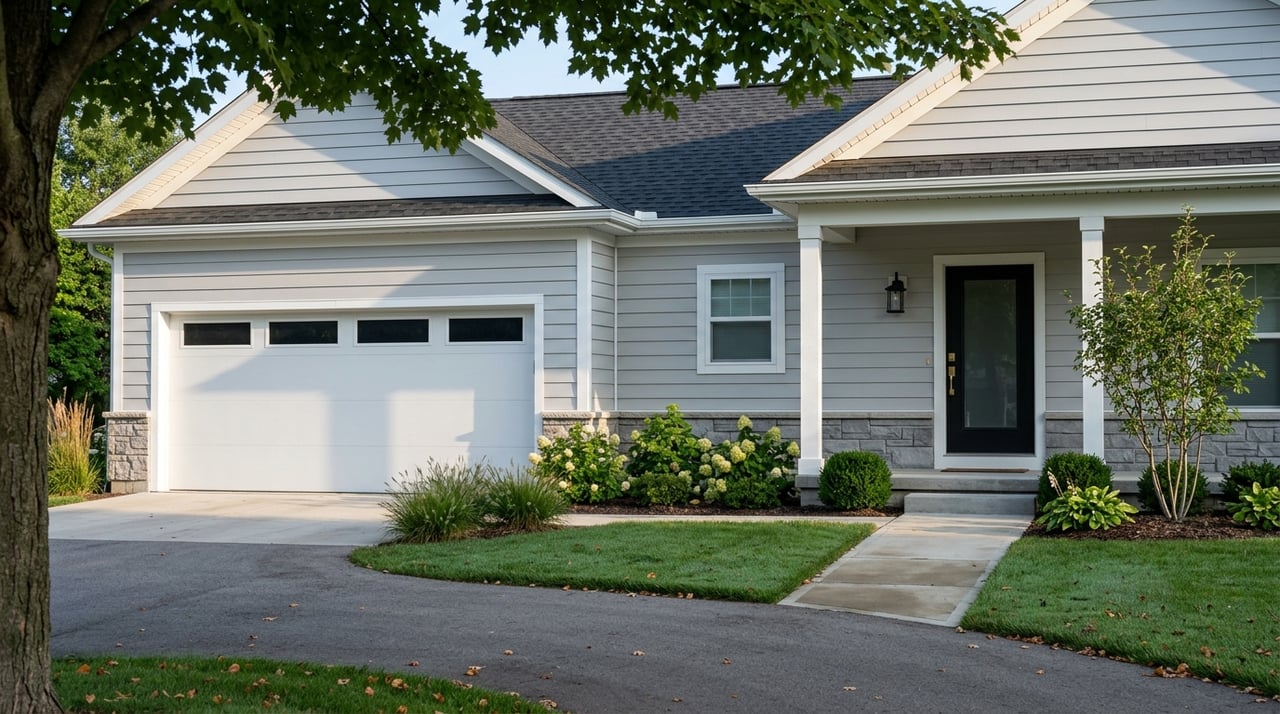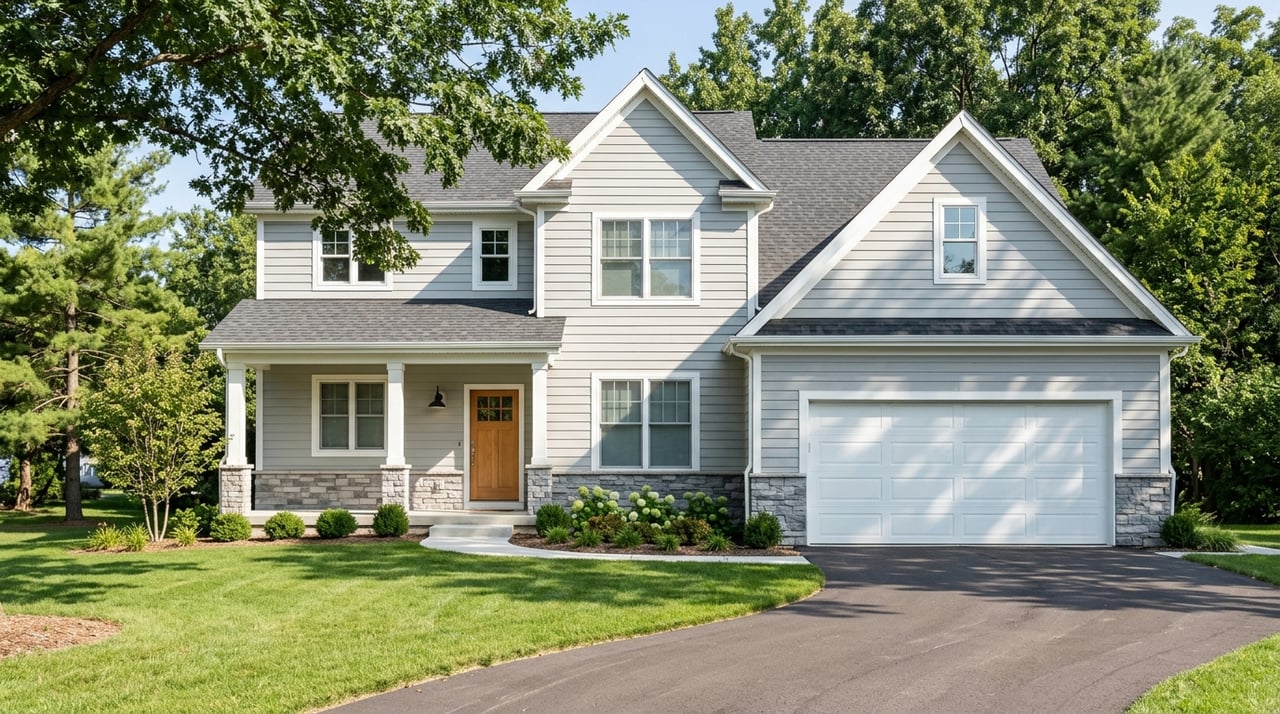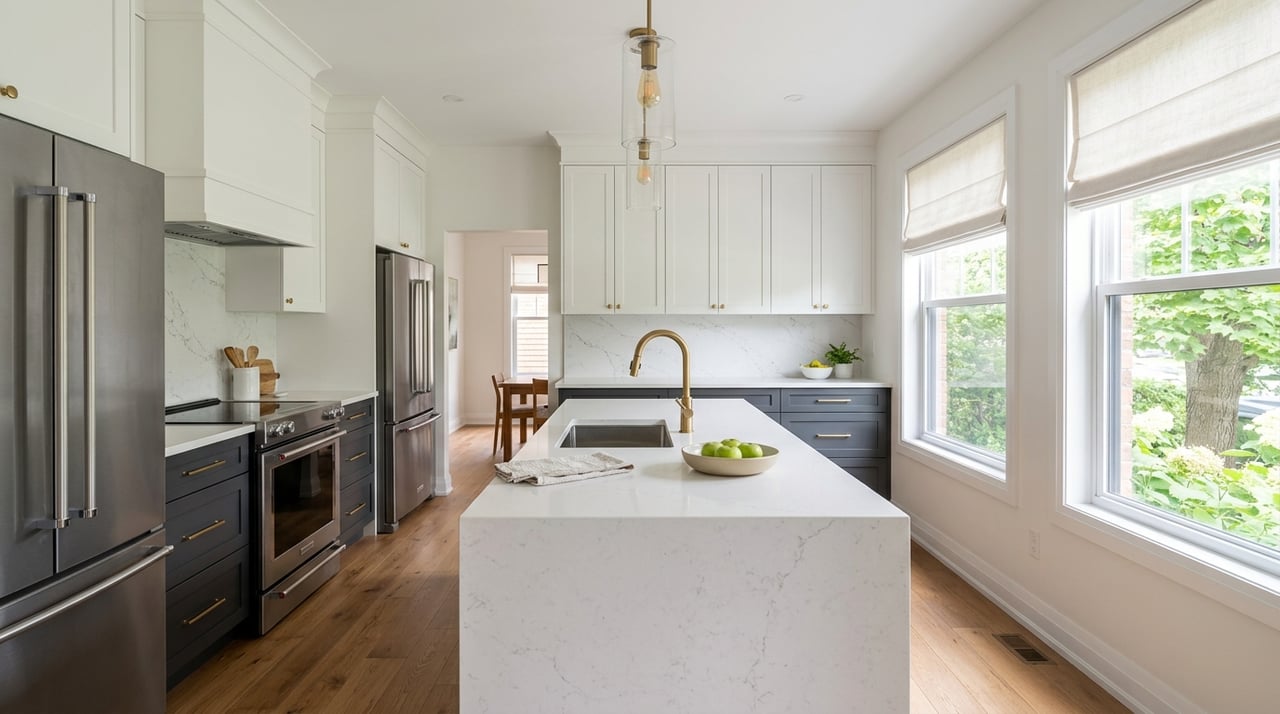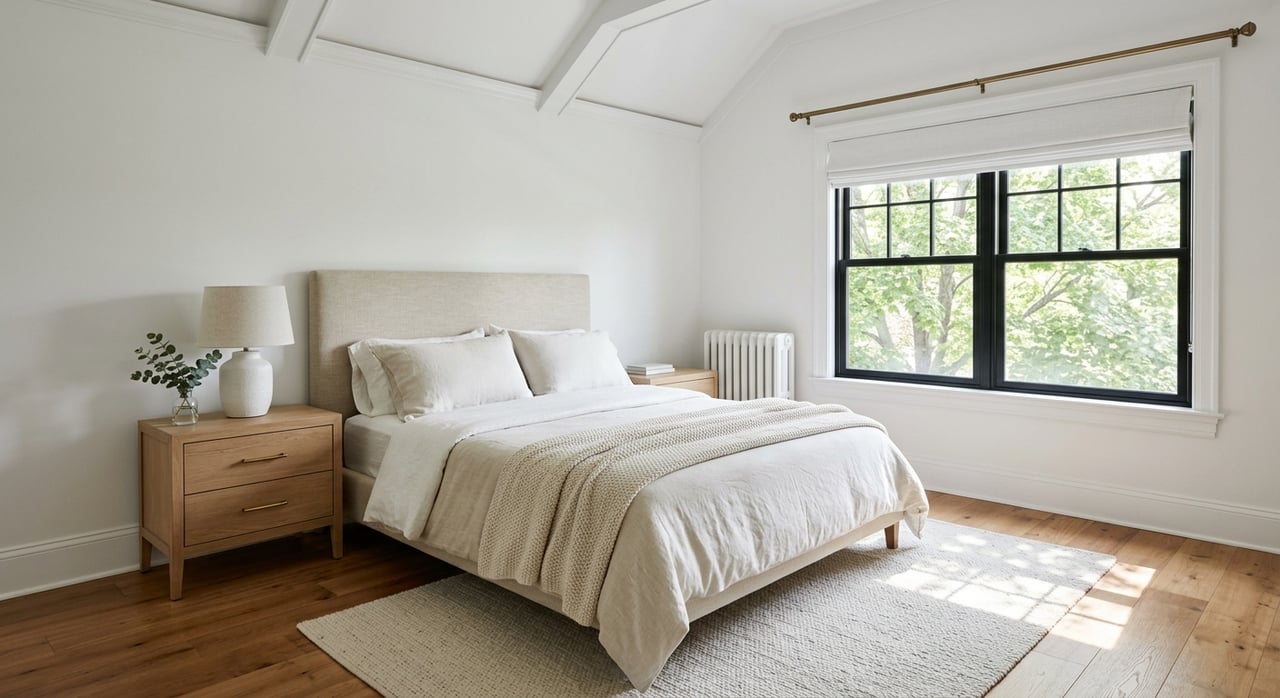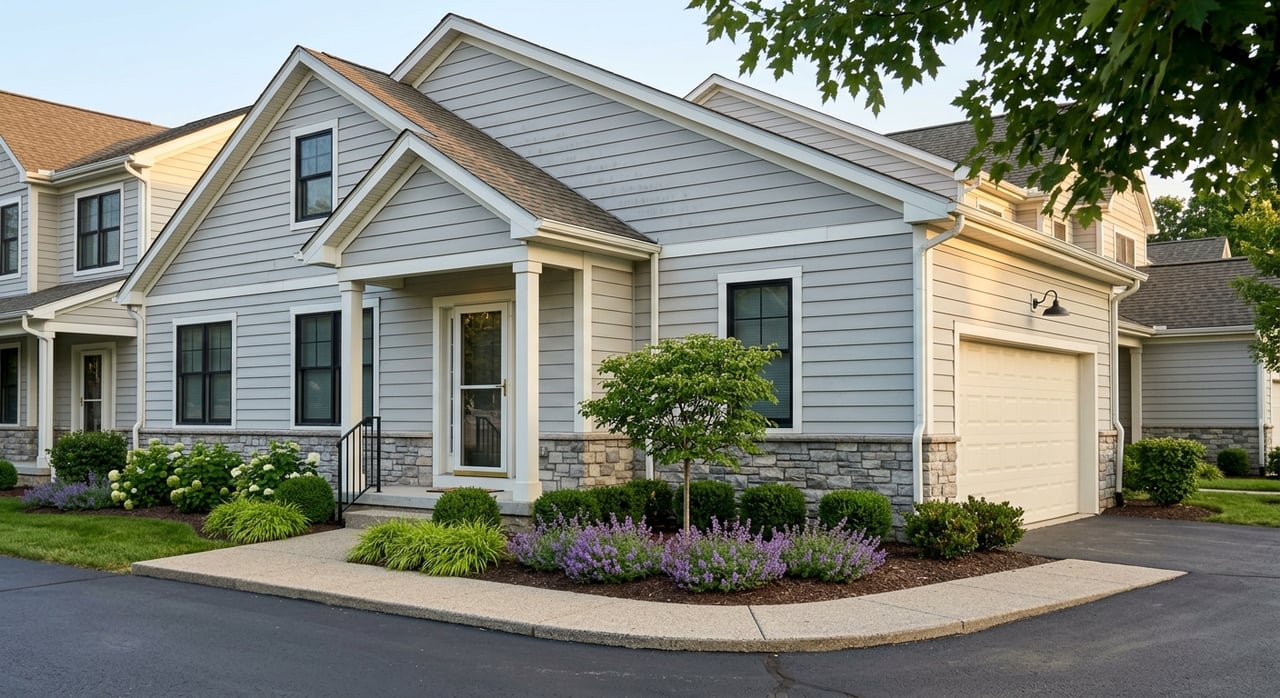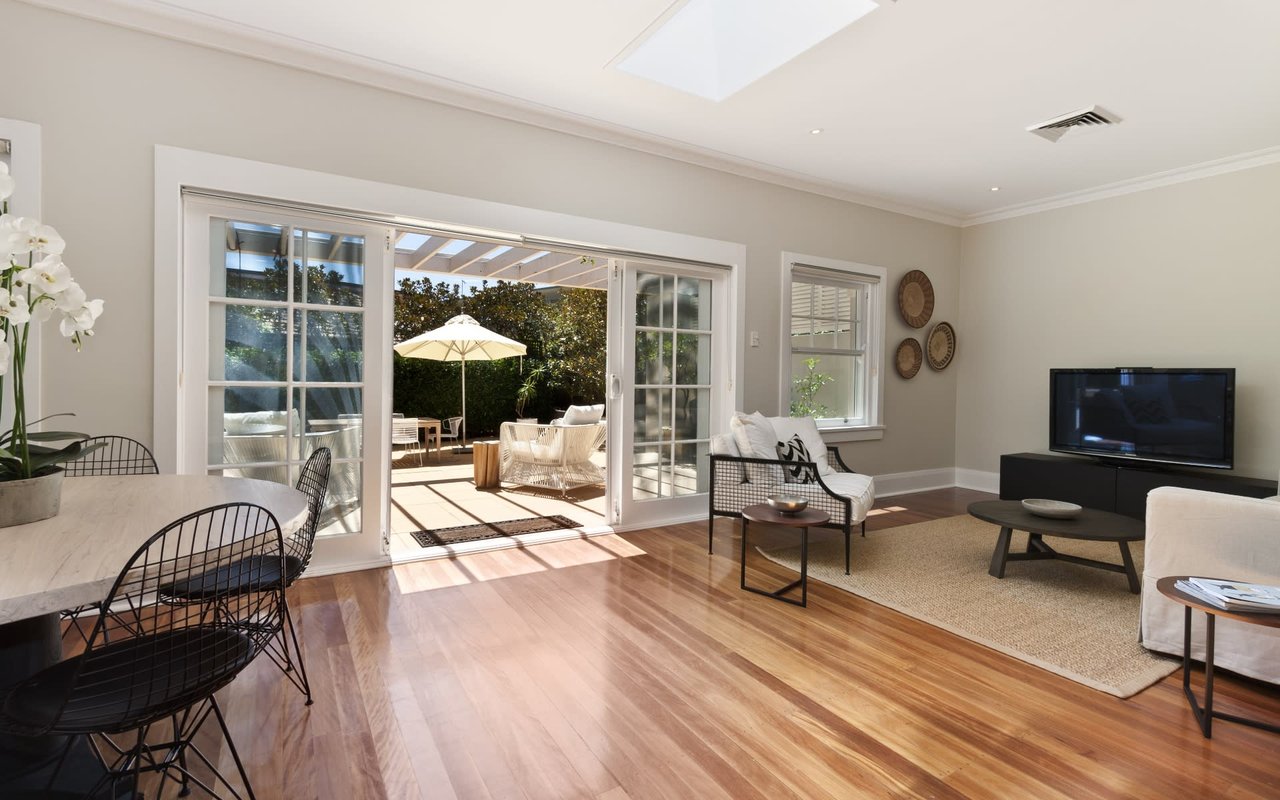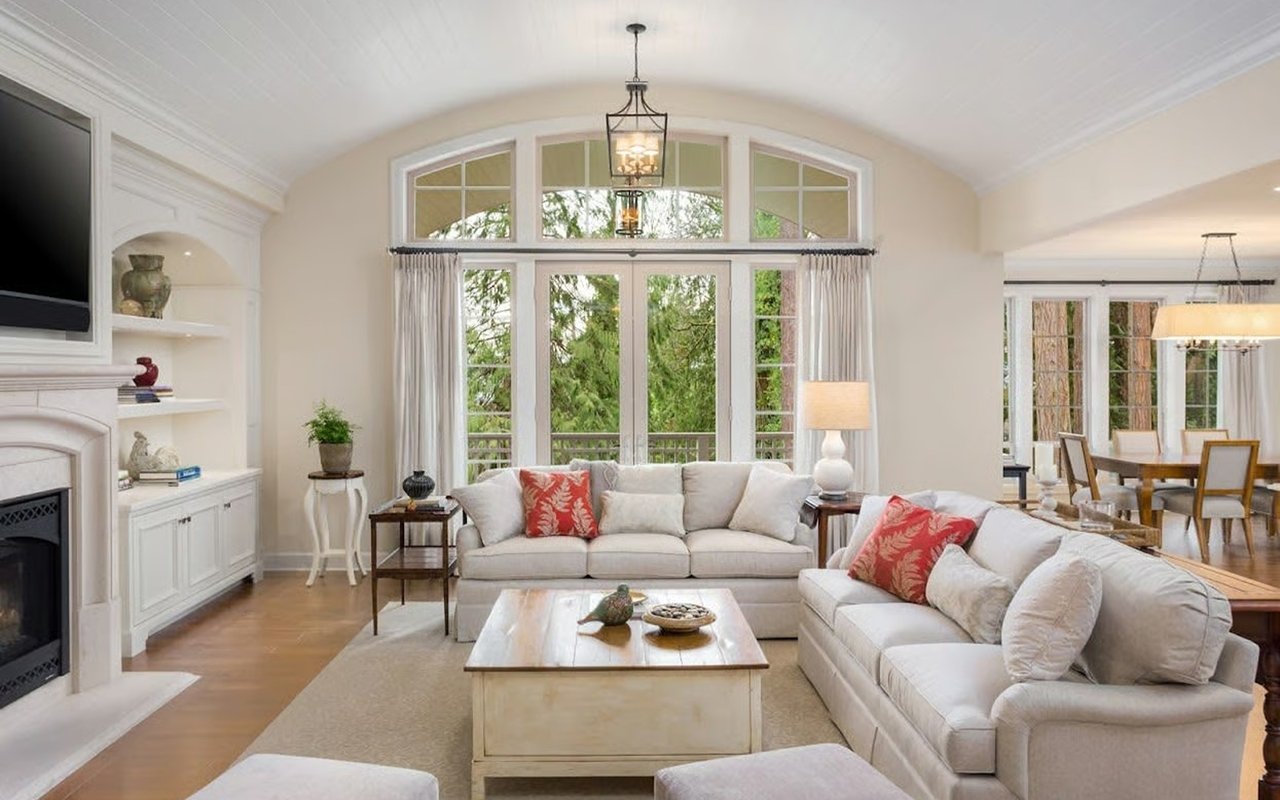
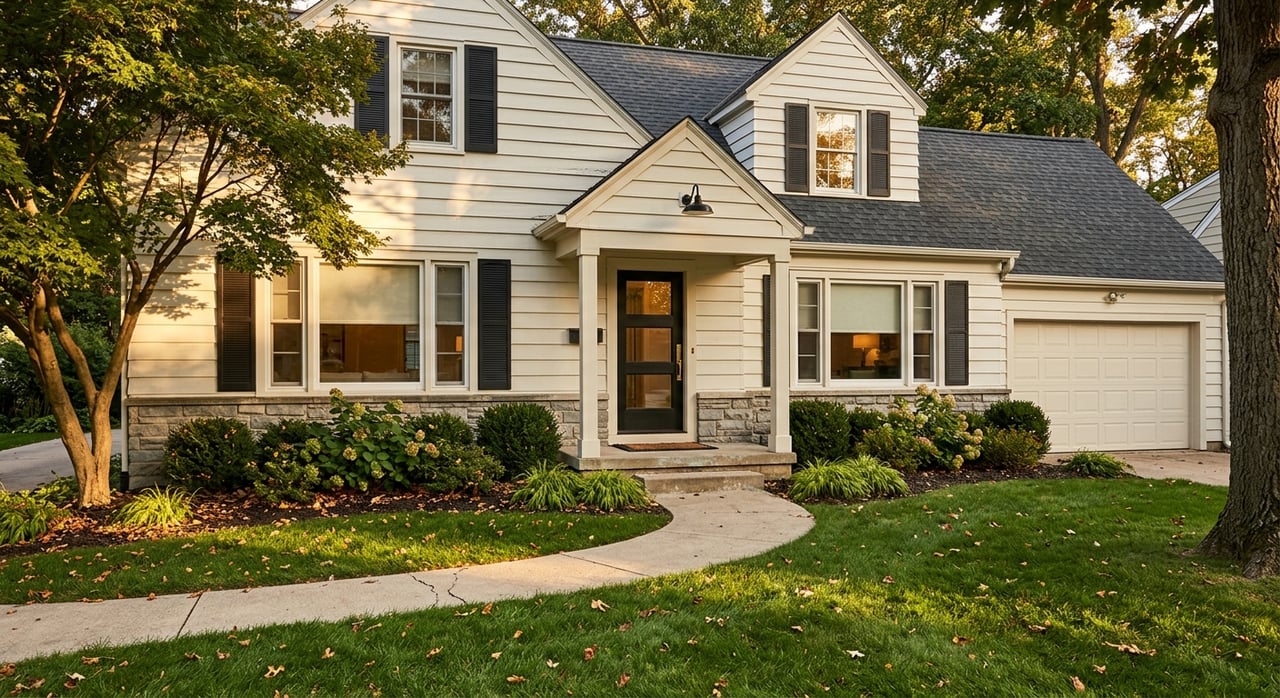
If you are trying to choose between a condo and a historic home in Saratoga Springs, you are not alone. This city gives you a rare mix of walkable downtown living, well-known historic districts, and limited new development, which can make the decision feel exciting and a little overwhelming. The good news is that each option offers real advantages when you match it to your budget, lifestyle, and comfort with upkeep. Let’s break down what matters most.
Why This Choice Matters in Saratoga Springs
Saratoga Springs is not a one-size-fits-all market. You can live near downtown in a condo with easy access to Broadway-area amenities and parking options, or you can choose a historic single-family home in one of the city’s established historic districts.
That local context matters because inventory can be tight. A March 2026 local MLS report showed 61 homes for sale, 2.8 months of inventory, 27 days on market, and a median sales price of $737,500, though the report also noted that one-month snapshots can look extreme in a smaller market.
The city also has limited developable land within city limits. That means buyers often compare very different property types instead of simply waiting for the perfect new listing to appear.
Condo Living in Saratoga Springs
What Condos Offer
A condo can be a strong fit if you want a lower-maintenance lifestyle and easy access to downtown. Saratoga Springs supports walkability with a Complete Streets policy, 94 miles of sidewalks, a Bronze-Level Walk Friendly Community designation, and downtown parking tools that include a parking app, map, trolley, and CDTA links.
For many buyers, that translates into convenience. You may spend less time thinking about yard work and exterior upkeep and more time enjoying a location close to restaurants, shops, and events.
What Condo Buyers Need to Review
In New York, the offering plan is one of the most important condo documents you will review. The New York Attorney General says buyers should read the entire offering plan before signing because it governs what is actually promised, including size, construction, parking, rooftop features, recreational features, and similar details.
That point is important in a market where marketing materials can be polished and persuasive. You should rely on the offering plan, not brochures or verbal statements, when you want to understand what you are truly buying.
Why Financials Matter
If you are considering an older condo building or a converted building, due diligence becomes even more important. The Attorney General says board minutes, financial reports, and the offering plan can help reveal defects and upcoming repair costs.
Some of the larger-ticket issues noted in that guidance include facade work, roof repairs, elevator work, plumbing upgrades, electrical upgrades, and boiler replacement. That means your monthly common charges, reserve strength, and possible future assessments deserve just as much attention as the purchase price.
Historic District Rules for Condos
Some condos may also sit within or near Saratoga Springs historic districts. The city’s historic districts include Union Avenue, Eastside, Congress Park, Hillside, Broadway, North Broadway, and Franklin Square.
If a condo building is in a historic district, exterior changes may involve city review through the Design Review Commission process. On top of that, the condo association may have its own rules, so buyers should be prepared for more than one layer of review.
Historic Homes in Saratoga Springs
What Draws Buyers to Historic Homes
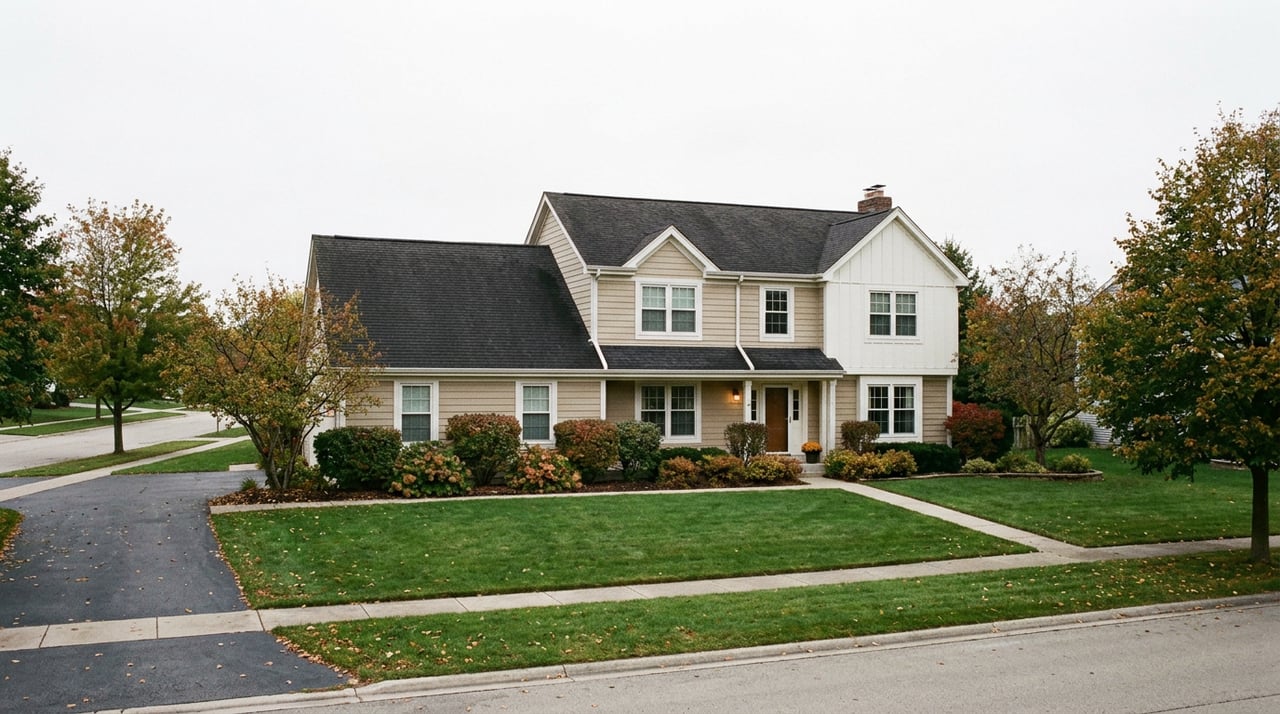
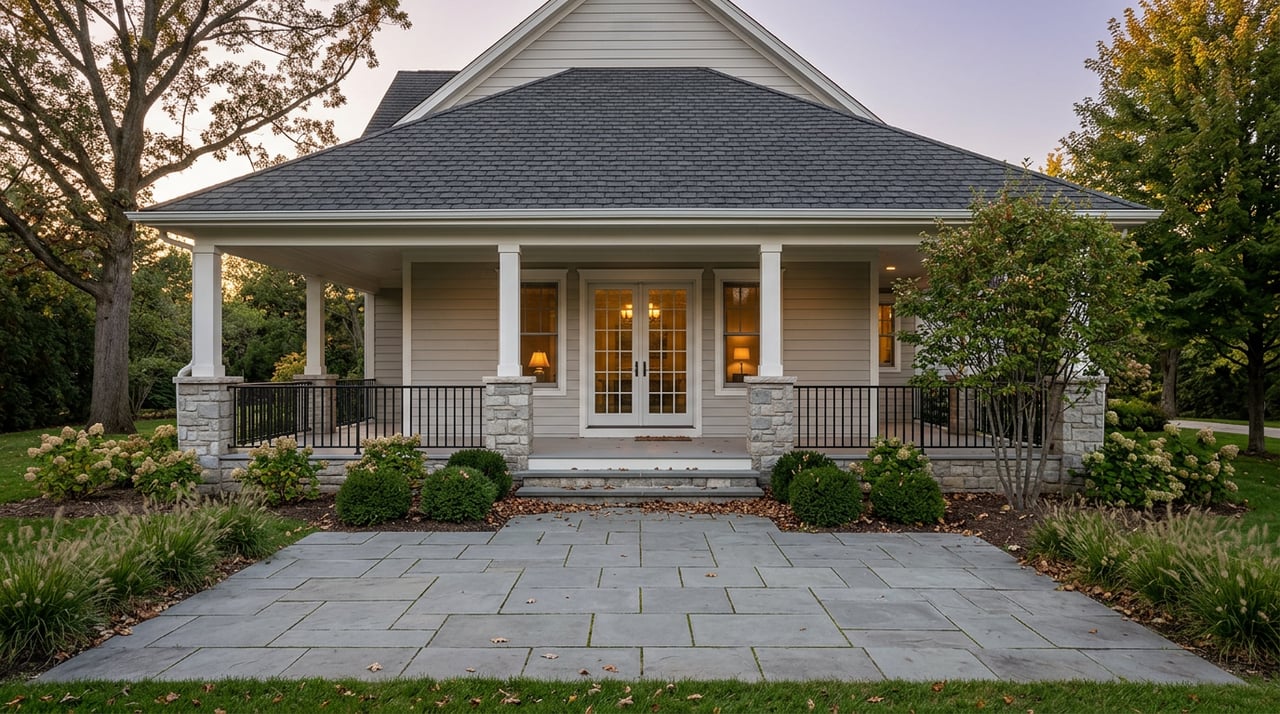
If you love original details, mature streetscapes, and homes with a story, a historic home may feel like the right fit. In Saratoga Springs, these homes are part of the city’s identity, and the city treats many older neighborhoods as historic assets, not just older housing stock.
Historic districts were created to protect buildings and neighborhoods with special historic and architectural character from destruction, insensitive rehabilitation, or incompatible new construction. For buyers, that often means a stronger sense of place and a very distinctive homeownership experience.
What Historic District Ownership Means
If a home is in one of Saratoga Springs’ historic districts, exterior changes require Design Review Commission approval before a building permit is issued. The city’s design guidelines address practical items like windows and doors, roofs, porches and decks, exterior claddings, and new construction.
This does not mean you cannot improve the home. It means exterior work follows a review process designed to protect the character of the district.
Maintenance and Energy Planning
Older homes can be rewarding, but they often require more specialized maintenance. The U.S. Department of Energy says many older homes have less insulation than homes built today and recommends energy assessments, air sealing, and insulation checks before making upgrades.
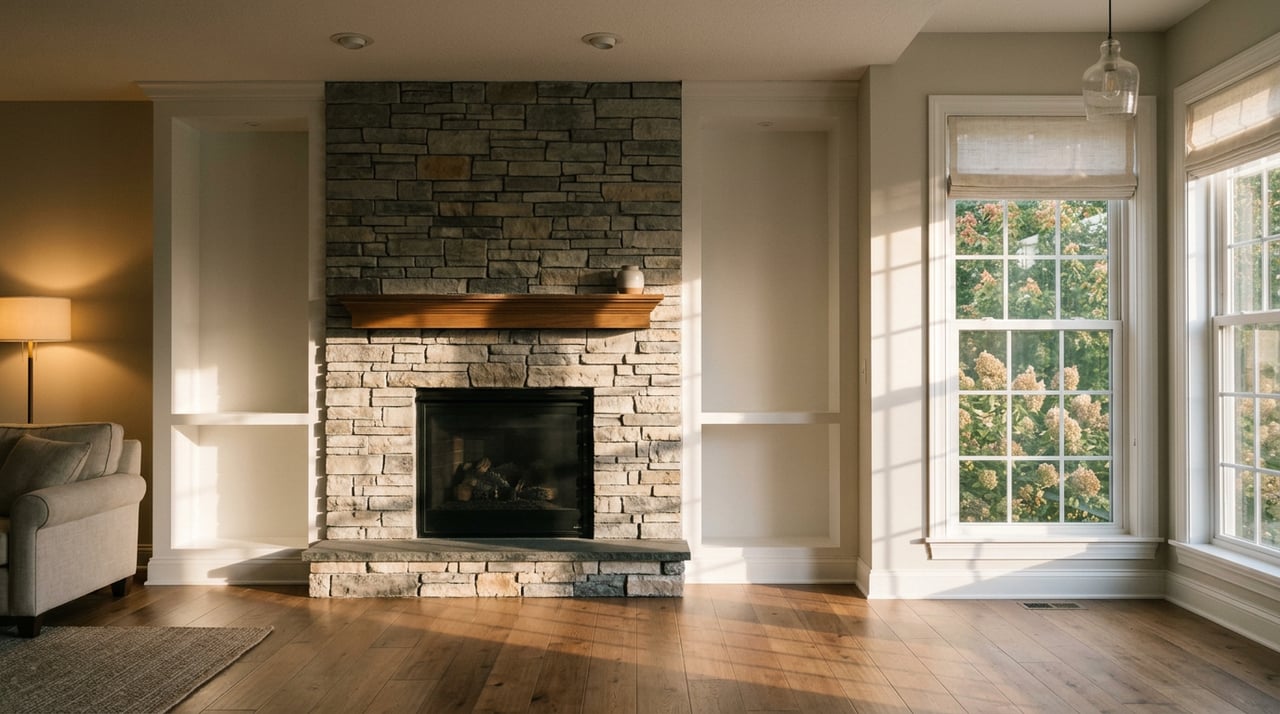
DOE guidance also notes that window improvements may involve repair, storm windows, or historically accurate replicas. It also recommends preserving character-defining features such as roof profile, windows, porches, interior trim, and landscape elements.
Budgeting for a Historic Home
A historic home budget should leave room for careful planning. Older homes may use heating and cooling systems that are very different from contemporary homes, and DOE recommends completing an energy audit before major retrofits.
In practical terms, that can mean a slower remodeling timeline and more specialized contractors for certain projects. If you love the charm, it helps to go in with realistic expectations about time, approvals, and maintenance costs.
What About Newer Construction?
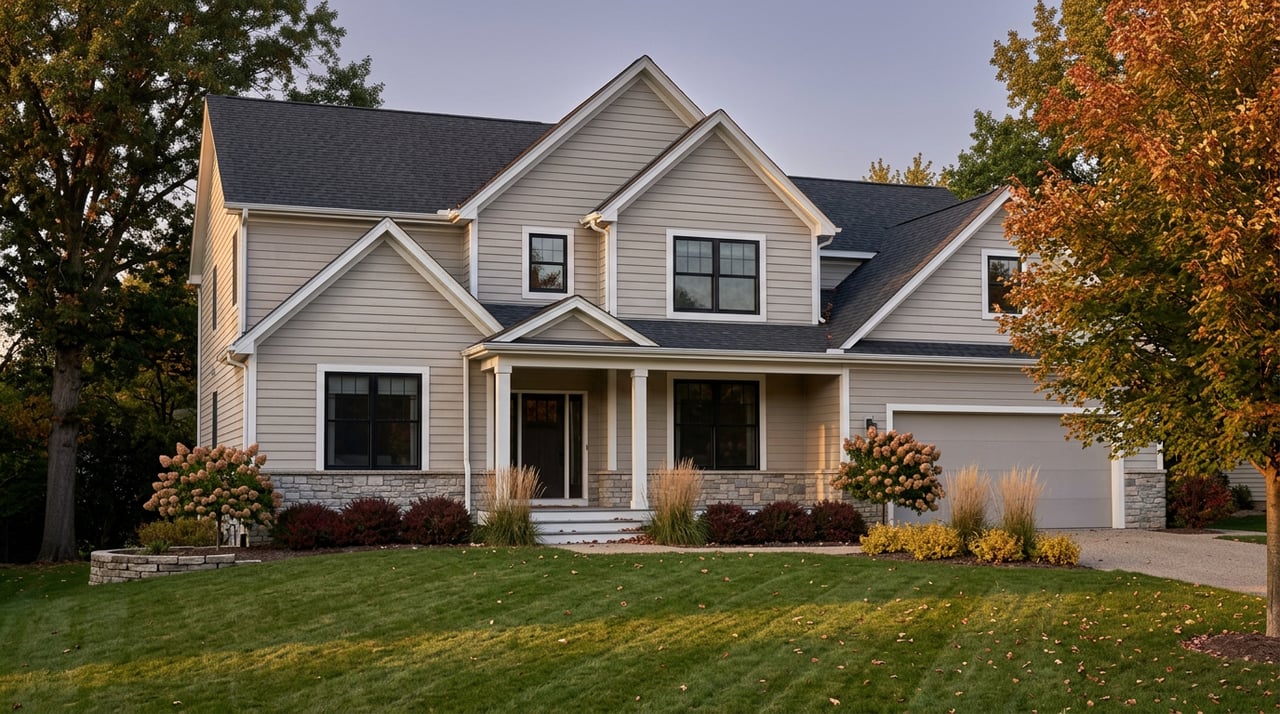
Even if your main choice feels like condo versus historic home, newer construction can still be part of the conversation. Newer homes usually offer the most straightforward path to modern systems, current insulation standards, and more predictable early ownership costs.
DOE says a certified new home is built to deliver energy savings, comfort, health, and durability, and many older homes have less insulation than homes built today. That helps explain why new homes often feel easier to heat and cool.
In New York, buyers of newly constructed homes of five stories or less also benefit from the Housing Merchant Limited Warranty Law. That law provides one year against almost any defect, two years against mechanical-system defects, and six years against structural defects.
In Saratoga Springs, though, new construction is selective. The city requires permits and inspections for new construction, and a new residence requires a building permit, approvals from land use boards, and a new water service agreement. Combined with limited developable land, that can narrow your options.
Condo vs. Historic Home at a Glance
| Factor | Condo | Historic Home |
|---|---|---|
| Lifestyle | Lower-maintenance, often walkable | More space and character, more hands-on ownership |
| Location appeal | Often tied to downtown access | Often tied to historic districts and established streets |
| Due diligence focus | Offering plan, board minutes, reserves, building systems | Historic district status, approval rules, windows, roof, insulation, mechanicals |
| Ongoing costs | Purchase price plus common charges and possible assessments | Purchase price plus maintenance, repairs, and specialized updates |
| Exterior changes | May require association approval and sometimes city review | May require Design Review Commission approval in historic districts |
Questions to Ask Before You Decide
Best Questions for Condo Buyers
If you are leaning toward a condo, start with the documents. Ask questions like:
- What does the offering plan promise?
- What do the board minutes and financial reports show?
- Are reserves healthy?
- Are capital projects planned?
- Are there known issues involving the facade, roof, elevator, plumbing, boiler, or electrical systems?
- What parking arrangements come with the unit?
Best Questions for Historic Home Buyers
If you are drawn to a historic home, ask questions that connect charm with long-term ownership. Helpful questions include:
- Is the property in a historic district?
- Which exterior changes require city approval?
- Have the windows, roof, insulation, and mechanical systems been updated?
- Were updates completed in a way that respects the home’s character?
- What repairs or improvements may be needed soon?
Best Questions for Any Saratoga Springs Buyer
No matter which path you choose, compare total monthly and annual ownership costs, not just the list price. That means looking at:
- Property taxes
- HOA or condo fees, if any
- Utilities
- Parking costs or limitations
- Near-term repair needs
- Possible exemptions and deadlines listed by the city assessor
Which Option Fits You Best?
A condo may be the better fit if you want simplicity, a smaller maintenance footprint, and easy access to downtown Saratoga Springs. A historic home may be the better fit if you value architectural character, more private living space, and the experience of owning a home with local history.
Neither choice is automatically better. The right answer depends on how you want to live, how much upkeep you are comfortable managing, and how you want your monthly budget to work.
That is where local guidance can make a big difference. When you understand the documents, the district rules, and the true carrying costs, you can make a confident decision instead of an emotional guess.
If you are weighing a condo, historic home, or another property type in Saratoga Springs, Julie Ann Gold can help you compare options, navigate the details, and move forward with clarity.
FAQs
What should condo buyers review in Saratoga Springs before making an offer?
- Condo buyers in Saratoga Springs should carefully review the offering plan, board minutes, financial reports, reserve funding, planned capital projects, and any known issues involving the roof, facade, elevator, plumbing, boiler, or electrical systems.
What does historic district status mean for a Saratoga Springs homebuyer?
- If a Saratoga Springs home is in a historic district, exterior changes require Design Review Commission approval before a building permit is issued, and the city’s design guidelines may affect decisions about windows, roofs, porches, cladding, and other exterior features.
Are condos more affordable than historic homes in Saratoga Springs?
- Not always, because a lower-maintenance condo can still carry monthly common charges, special assessments, parking costs, and building repair obligations, while a historic home may have different maintenance and utility costs.
Why is new construction limited in Saratoga Springs?
- Saratoga Springs has limited developable land within city limits, and new residential construction also requires permits, inspections, land use approvals, and a new water service agreement.
How can you compare a condo and historic home budget in Saratoga Springs?
- The best way to compare costs is to look at purchase price, property taxes, HOA or condo fees, utilities, parking, and likely near-term repairs rather than focusing on the list price alone.